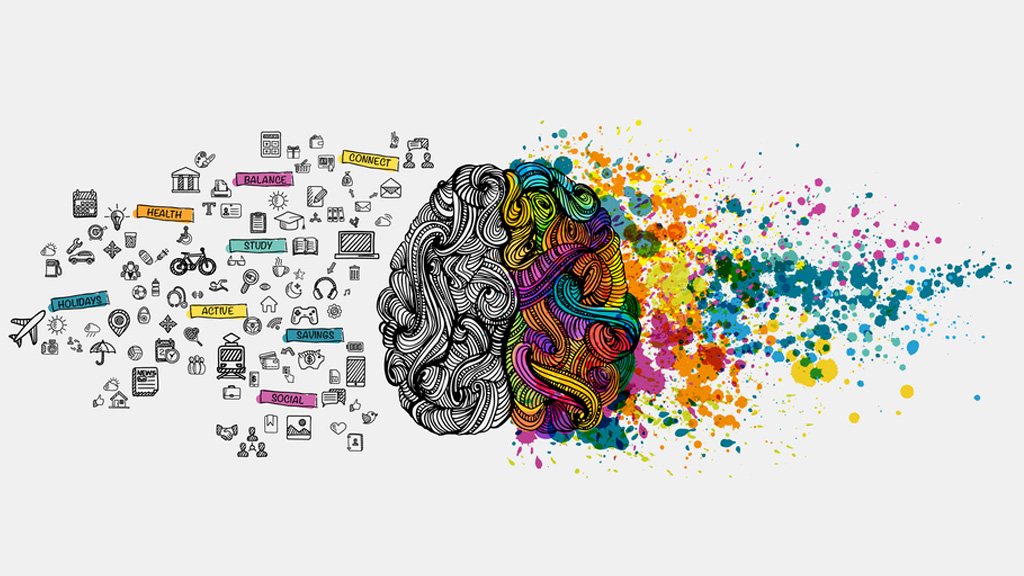
Every June marks Men’s Mental Health Month, yet as another one passed just a week ago, it’s evident that the issue still receives little attention and concern. Mental health is often misunderstood as just emotional breakdowns, but it stretches far beyond that. It encompasses daily struggles, stress, burnout, financial pressure, and emotional fatigue, and demands a much broader conversation.
Mental health covers our emotional, psychological, and social well-being. It is shaped by our environment and experiences, and how we internally process them.
In a society where a man is mostly defined by his career, responsibilities, and perceived strength, men are often encouraged to ignore their emotional needs. But to truly address mental health, men must understand themselves beyond their roles and feel safe to speak to those they trust.
Unfortunately, many men remain silent, choosing to internalize their pain rather than open up. This silence is reinforced by a fear of stigma, a cultural narrative that equates vulnerability with weakness.
A Conversation with Two Voices
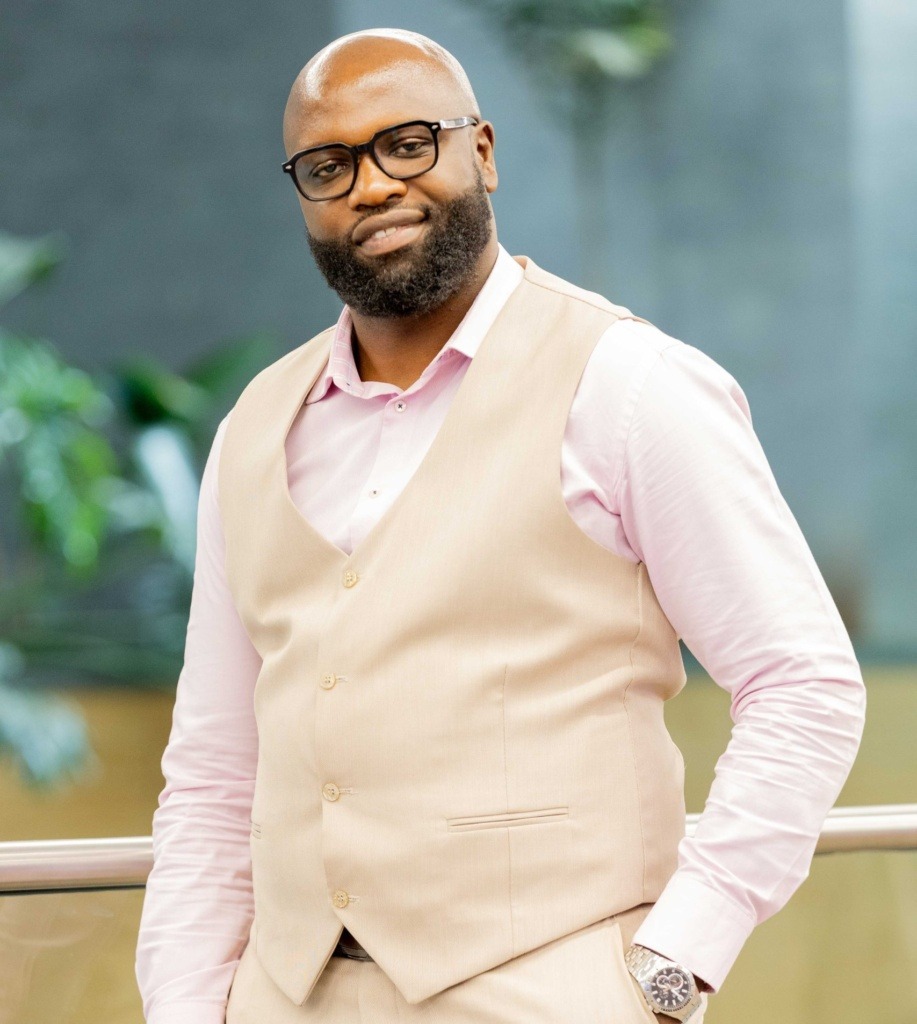
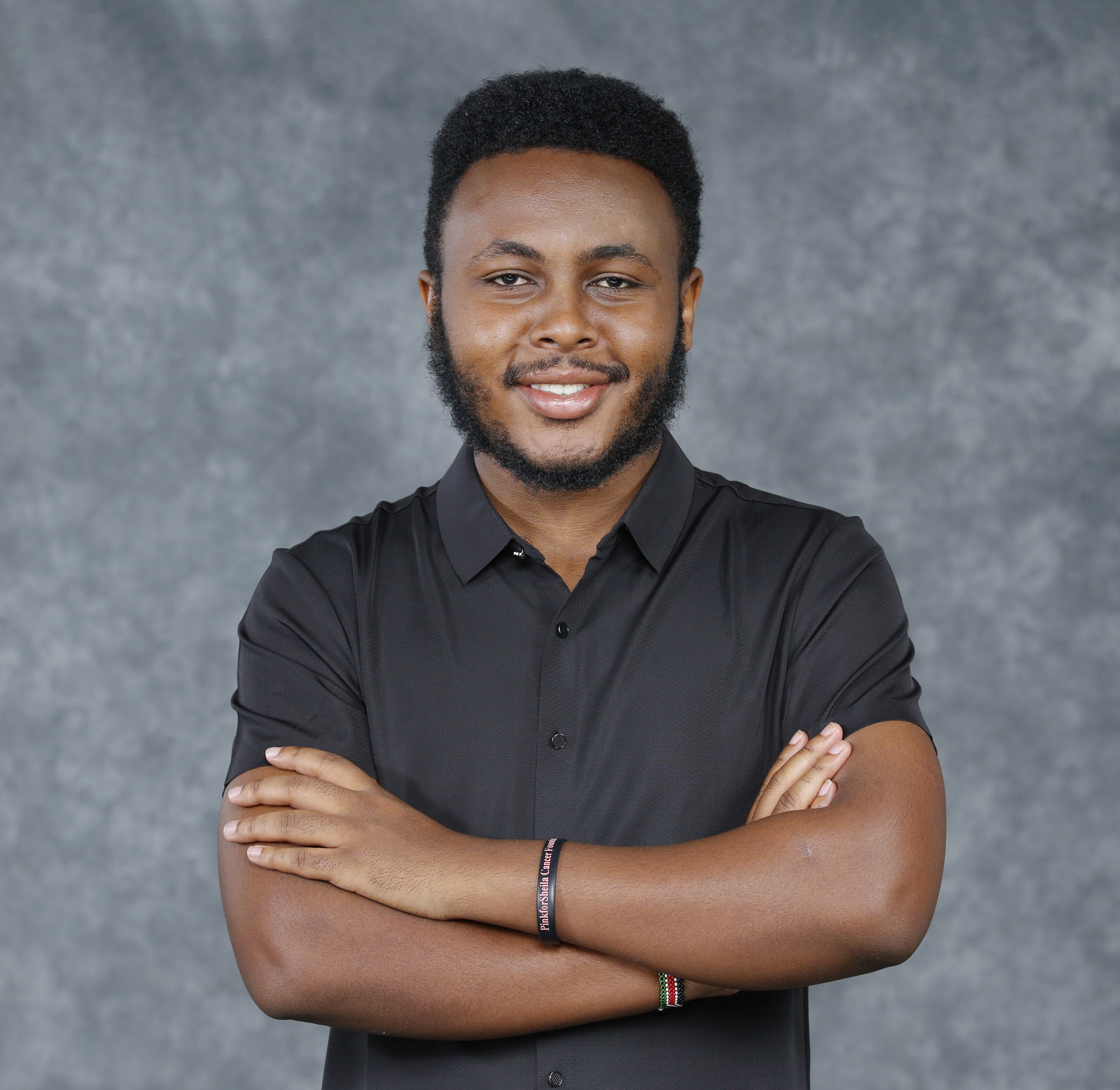
In a candid conversation with Mr. Karume George, Shopper Manager Premium Spirits at East African Breweries Limited, and his younger colleague, Mr. Chege Brian, Brand Executive, Spirits at EABL, we explored the complexities of men’s mental health and why it remains such a taboo subject.
Mr. Karume highlights that vulnerability is often perceived as a weakness, especially in African contexts. “In military terms, vulnerability means a point of attack. That’s how many men interpret it. You’re not allowed to cry or break down, even when you’re at your lowest,” he says.
The deeply entrenched belief that men must always be strong and emotionless has, for decades, denied many the opportunity to seek help even in moments of despair.
Mr. Chege shares a personal experience of severe burnout, continuing to go to work despite being mentally and emotionally drained. “I reached a point where I considered self-harm. I had crashed,” he confesses.
His turning point came when a close friend offered him a listening ear, checking in regularly, and creating a safe space. It was these small but significant acts that helped him begin to heal.
According to Chege, breaking the stigma must start by teaching young boys that it’s okay to feel. “We need to stop just talking about it and start modeling the right behaviors. The greatest art of learning is through mimicking, and without which there is little to nothing one can learn from. Boys mimic what they see.”
The Power of Brotherhood and Emotional Intelligence
Both men emphasize the importance of strong male bonds and spaces where men can speak freely, share struggles, and offer support. Men must follow mental health conversations, subscribe to safe spaces where they can openly discuss issues affecting them, and rise above it all.
Brotherhoods need to be strong to sustain these personal issues. But we also need to listen with our emotional ears,” says Mr. Karume.
Emotional intelligence, he adds, is key. It helps men name their emotions, rather than defaulting to anger or withdrawal. With the right diagnosis comes the first step toward healing.
For Mr. Chege, social activities like hangouts and cookouts have become powerful avenues for connection. “They’re not just fun. They allow us to talk openly about our challenges, and that has helped me a lot.”
Chege emphasizes the importance of learning the language of emotions. “Emotional awareness is like a muscle; you must train it daily. It doesn’t just appear.”
The world needs the whole version of a man, not the hardened, silent façade often presented to the public. Society must take responsibility in redefining masculinity to include empathy, emotional expression, and vulnerability.
Media’s Role in Changing the Narrative
The media plays a crucial role in reshaping how men are portrayed. Positive, emotionally intelligent male figures in media can model healthier behaviors and spark essential conversations. This influence is vital in teaching boys and men that strength is found not in silence but in authenticity and connection.
Men’s mental health is not just a personal issue; it’s a societal challenge. By fostering safe spaces, encouraging emotional literacy, and breaking cultural stigmas, we can create a world where men feel seen, heard, and supported.
It’s time to move from silence to solidarity, from toughness to truth.
Author Profile

-
Seeker.
Inspire AFRIKA.
Latest entries
 Biodiversity24 October 2026Faith Leaders and Civil Society Call for Stronger Partnerships to Restore Nature
 Biodiversity23 October 2026Inside Kobe’s Grassroots Effort to Train the Next Generation of Biodiversity Leaders
 Animals23 October 2026As COP17 Meets, World’s Rarest Great Ape Faces a Make-or-Break Test in Indonesia
 Biodiversity22 October 2026One in Five Tropical Biodiversity Sites Overlapped by Mining Concessions, COP17 Report Finds