The drive for cutting-edge technology often outpaces sustainability efforts. This is no more apparent than in rare earth elements (REEs), which are incredibly useful for batteries, electronics, and motors, while remaining a non-renewable resource with dismal recovery rates.
Rare earth metals consist of 17 elements on the periodic table, including scandium, yttrium, and the 15 lanthanides. Despite their name, rare earth metals are relatively abundant in the Earth’s crust, but they are rarely found in concentrations that make them economically viable to mine.
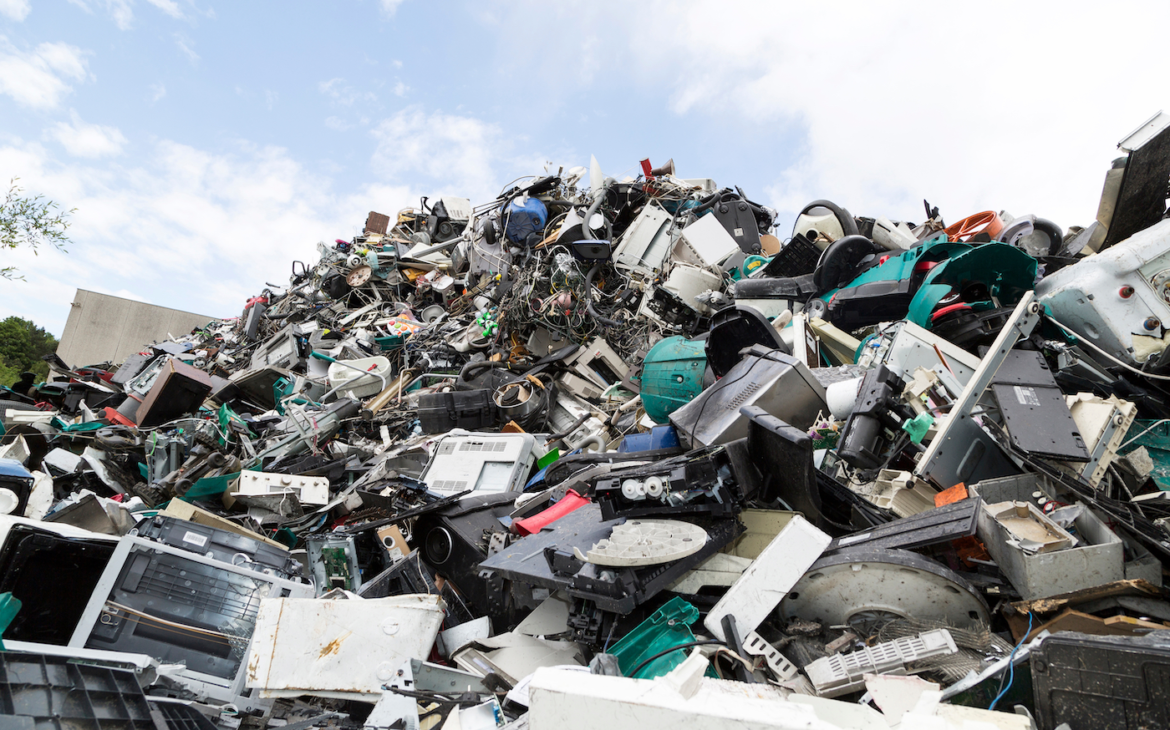
According to a report by Oxford Policy Management, currently, global recycling of REEs is estimated at a mere 1%, with the vast majority of these metals, contained in everything from electric vehicles to everyday electronics, ending up in landfills as waste.
Why Is Recycling Rare Earth Elements Challenging?
Despite their widespread use and importance, recycling rare earth elements from end-of-life products faces a complex web of technological, economic, and strategic challenges. Here are the main challenges to REE recovery
- Technical challenges: These metals are often used in small quantities, embedded in complex products such as electronics and batteries, making it difficult to recover them efficiently. Additionally, the recycling process must carefully separate the rare earth metals from other materials without degrading their quality, which requires advanced and costly technologies.
- Economic Viability: The process of recovering and refining these metals from end-of-life products is often more expensive than mining new materials, especially when market prices for rare earth metals are low.
- Lack of Recycling Infrastructure: The infrastructure for recycling rare earth metals is still in its infancy, with limited facilities capable of processing these materials at scale. Additionally, the complexity of recycling rare earth metals requires specialized knowledge and equipment, further limiting the development of a robust recycling industry.
- Health challenges: Hazardous chemicals, toxic fumes, and heavy machinery can pose risks to workers’ health and safety, with long-term exposure linked to REE deposition in the lungs that can result in serious respiratory diseases.
Progress in Rare Earth Metal Recycling
Currently, recycling rates are based on lab research and pilot programs. Among the programs are;
- Supercritical Fluid Extraction
Supercritical fluid extraction (SFE) uses supercritical carbon dioxide to extract REEs from a solid or liquid material. Supercritical CO2 is pumped into an extraction chamber to dissolve the target REE compounds.
The extract-rich fluid is then directed to a separator, where the CO2 returns to a gaseous state and the extracted compounds can be collected. SFE can be up to 95% efficient and moderately cost-effective, although it requires high pressure.
- Hydrometallurgy
Traditional hydrometallurgy utilizes aqueous solutions to extract metals from solid materials, including ores and e-waste. It requires strong acids to dissolve, purify, and recover the target metals.
While this method offers over 95% recovery and 99.5% purification, it is the most chemically intensive. The chemical-laden wastewater must be carefully managed to prevent further complications.
- Bioleaching
This involves utilizing microorganisms that produce organic acids to dissolve REE in e-waste. Under optimal conditions, bioleaching can achieve a leaching efficiency of 98.7% for REEs, surpassing that of hydrometallurgy. It also requires less energy consumption and reduces the use of harmful chemicals. However, bioleaching is considerably more time-consuming than other methods.
The challenges associated with sourcing and recycling rare earth metals are significant, but they are not insurmountable.
By diversifying supply chains, advancing recycling technologies, implementing supportive government policies, and embracing circular economy models, the global community can ensure a sustainable supply of these critical materials.
As demand for rare earth metals continues to grow, finding solutions to these challenges will be essential for maintaining the technologies and industries that drive modern life, while minimizing environmental impact and promoting a more sustainable future.
Read Also: Why Kenya Must Lead in Solar Panel Recycling
Author Profile

- How can we learn if we don't question?
Latest entries
 Agriculture16 October 2026“There Is No Shortcut”: A Kiambu Grower’s Decade in Mushrooms
 COP3115 October 2026Pacific Leaders Call for Urgent Climate Action Ahead of COP31
 Agriculture13 October 2026Can the buffalo fix Kenya’s milk problem? Farmers say start with the feed bill
 Events12 October 2026Cybersecurity in the Floriculture Industry