
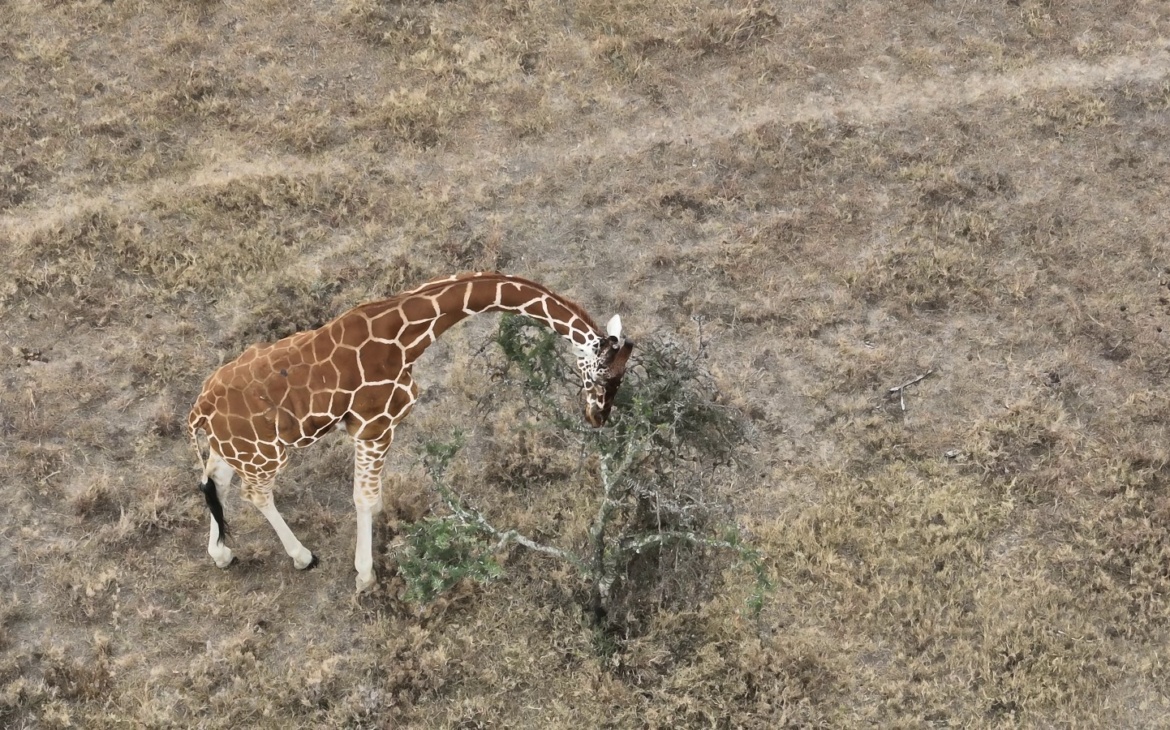
Kenya will host the Global Conservation Tech & Drone Forum (GCTDF 2026) from 2–6 March 2026. The Kenya Wildlife Service (KWS) is the official conservation partner of the event, which will take place in Nairobi and Konza Technopolis, themed “Technology in Service of Nature: Protecting Wildlife, Supporting People, Restoring Ecosystems.”
Bringing together rangers, community leaders, technologists, researchers, policymakers, and youth from across Africa and the world, the gathering will offer a unique opportunity to explore how drones, satellite sensors, AI, GIS, and data-driven tools can be harnessed to safeguard biodiversity, restore ecosystems, and enhance community resilience.
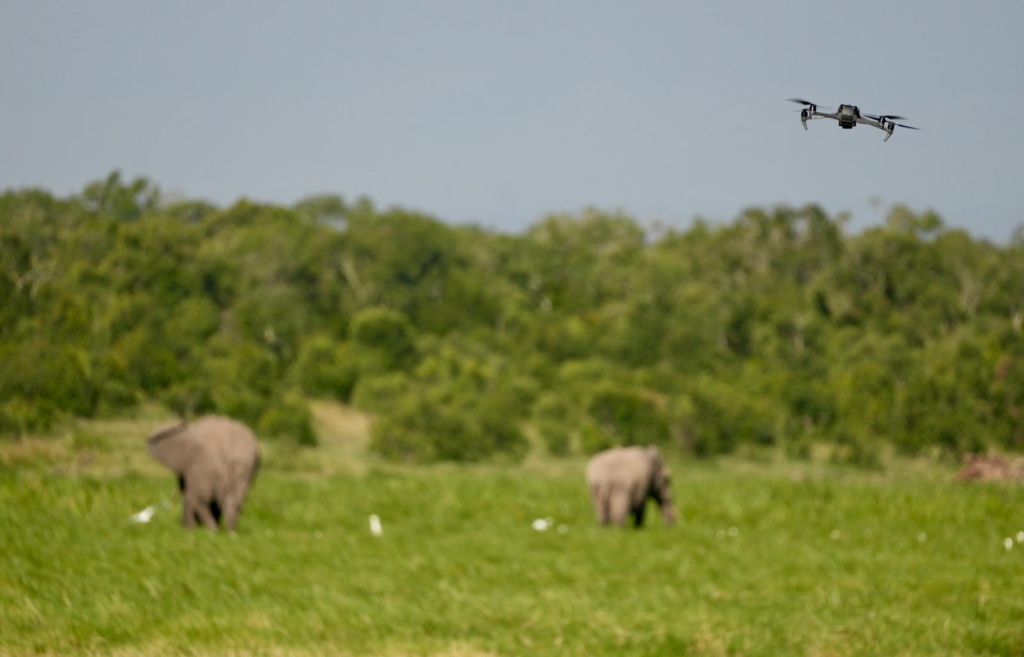
This summit is expected to be a landmark for the conservation sector. Technology and drones are rapidly transforming biodiversity protection by enabling non-invasive and cost-effective monitoring, mapping, and anti-poaching efforts.
High-resolution cameras, thermal imaging, AI-powered population counts, habitat analysis, and real-time threat detection are increasingly empowering conservationists working in remote and high-risk areas, while also engaging local communities in safeguarding ecosystems.
Kenya is a mega-biodiverse country, with around 25,000 species of animals and 7,000 species of plants recorded, alongside at least 2,000 fungi and bacteria.
Like most of the world, the country’s biodiversity is declining due to intense pressure from rapid population growth, habitat loss driven by agricultural expansion, infrastructure development, and urbanization.
These pressures are compounded by poaching, invasive species such as Prosopis, pollution, and the growing impacts of climate change.
According to the International Union for Conservation of Nature (IUCN) Species Specialist Group, which assesses biodiversity health globally, more than 150,300 species worldwide are currently listed on the IUCN Red List, with over 42,100 threatened with extinction.
This includes 41 per cent of amphibians, 37 per cent of sharks and rays, 36 per cent of reef-building corals, 34 per cent of conifers, 27 per cent of mammals, and 13 per cent of birds, figures that underscore the scale of the crisis facing biodiversity across the planet, including in Kenya.
Emphasizing the stark trend, Wildlife PS Silvia Museiya notes: “Despite all the legal, policy, and institutional frameworks, we continue to lose our diversity by over 70 per cent since 1977. Our forest cover has declined by 7.3 per cent, and our water bodies and lakes are drying up. We are saying something is not right.”
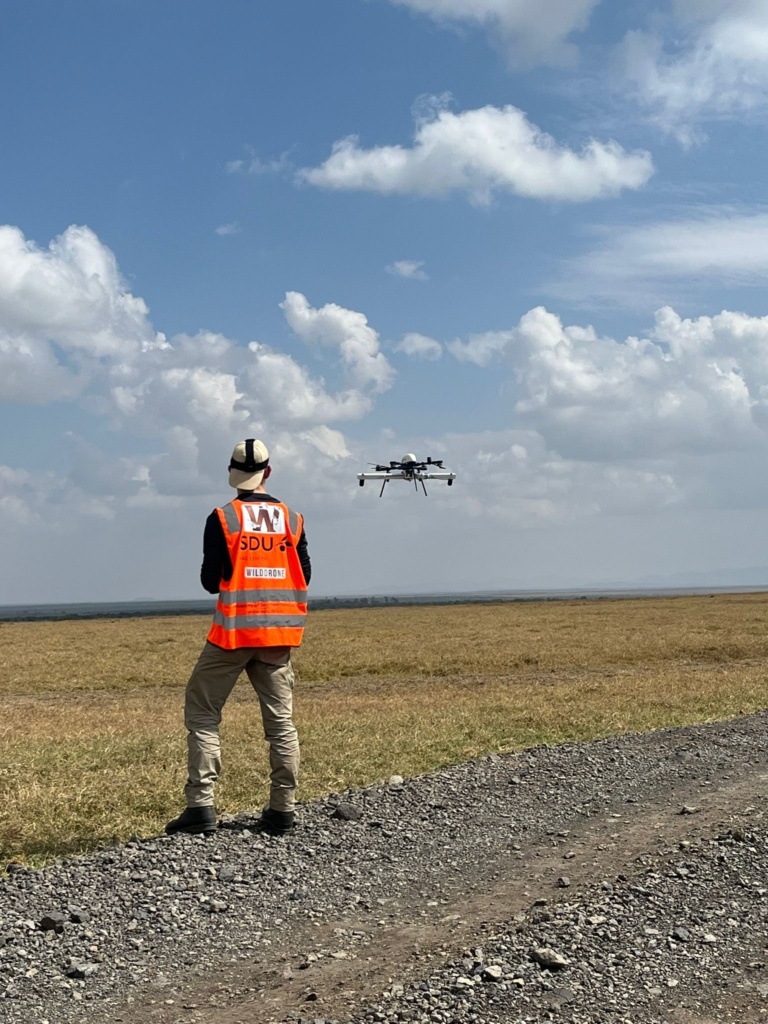
Through collaboration with GCTDF 2026, KWS will provide expert knowledge on Kenya’s ecosystems, wildlife challenges, and conservation priorities, while supporting and participating in live drone and data-technology demonstrations for wildlife monitoring, anti-poaching surveillance, and habitat protection.
The forum will also showcase Kenya’s conservation efforts and reaffirm its commitment to innovative, science-led, and inclusive management of natural resources.
Looking ahead, GCTDF 2026 positions Kenya, and Africa more broadly, as a critical voice in shaping the future of conservation technology.
The ideas, partnerships, and policy conversations emerging from the forum have the potential to influence funding priorities, strengthen regional conservation strategies, and accelerate the adoption of technology-driven solutions that protect wildlife while supporting people and restoring ecosystems.
Author Profile

- How can we learn if we don't question?
Latest entries
 Agriculture16 October 2026“There Is No Shortcut”: A Kiambu Grower’s Decade in Mushrooms
 COP3115 October 2026Pacific Leaders Call for Urgent Climate Action Ahead of COP31
 Agriculture13 October 2026Can the buffalo fix Kenya’s milk problem? Farmers say start with the feed bill
 Events12 October 2026Cybersecurity in the Floriculture Industry


