
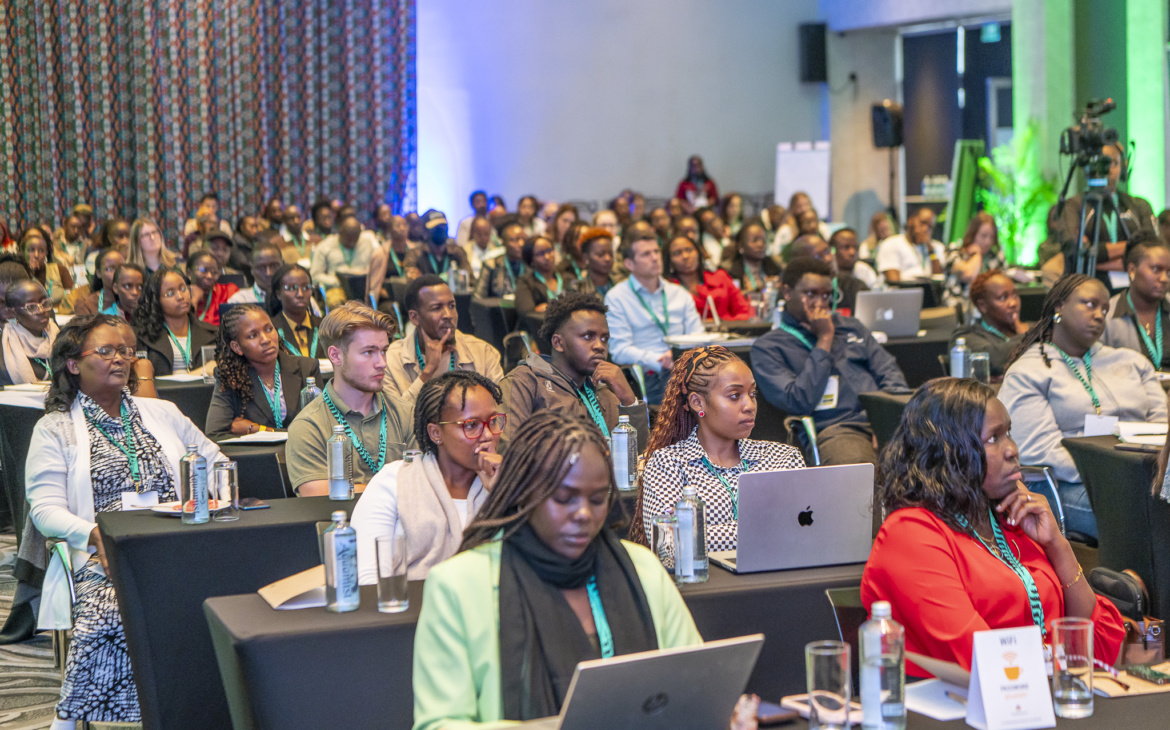
Kenya is set to make history in 2026 when it hosts the global Our Ocean Conference for the first time, marking a significant moment for Africa’s growing role in shaping international ocean governance.
The summit will bring together global leaders, scientists, and policymakers to the coastal counties of Mombasa and Kilifi, placing the spotlight on the Western Indian Ocean and the communities that depend on it.
Countries including the United States, Greece, and Malta have hosted previous editions of the conference. Kenya’s turn signals a shift toward greater representation of developing coastal nations in global ocean policy discussions.
The conference will focus on six priority areas: marine protected areas, marine pollution, climate change, sustainable fisheries, the blue food economy, and maritime security.
Together, these themes reflect the growing urgency of addressing the environmental pressures facing ocean ecosystems worldwide.
Global Targets for Ocean Protection
Central to the discussions will be the global “30 by 30” conservation target, adopted under the Kunming-Montreal Global Biodiversity Framework.
The agreement calls for 30 percent of the world’s land and oceans to be protected by 2030 as part of efforts to halt biodiversity loss and restore ecosystems.
Currently, however, only about 8 percent of the global ocean is under formal protection, according to international conservation assessments.
Scientists warn that expanding marine protected areas is essential for rebuilding fish stocks, safeguarding biodiversity, and strengthening climate resilience.
Healthy ocean ecosystems also play a major role in regulating the planet’s climate. The ocean produces more than half of the oxygen humans breathe and supports the livelihoods of more than three billion people globally.
Yet policymakers increasingly acknowledge that conservation policies alone are not sufficient without strong enforcement and local participation.
Governing the High Seas
Beyond coastal waters, international negotiations are also reshaping governance of the global ocean.
In 2023, countries adopted the Biodiversity Beyond National Jurisdiction (BBNJ) Agreement, a landmark treaty under the United Nations Convention on the Law of the Sea.
The agreement creates, for the first time, a legal framework for establishing marine protected areas in international waters, which cover nearly two-thirds of the ocean but historically lacked clear conservation mechanisms.
The treaty focuses on four key pillars:
- Marine genetic resources
- Area-based management tools, such as marine protected areas
- Environmental impact assessments
- Capacity building and technology transfer
For many developing coastal nations, however, the success of the agreement will depend heavily on access to financing, technology, and scientific infrastructure.
Without such support, experts warn that international agreements may remain largely aspirational.
Representation in Ocean Leadership
As Kenya prepares to host the 2026 conference, conversations around marine governance are also expanding to include issues of representation and equity.
Women remain significantly underrepresented in ocean policy negotiations and marine science leadership despite playing central roles in coastal economies and resource management.
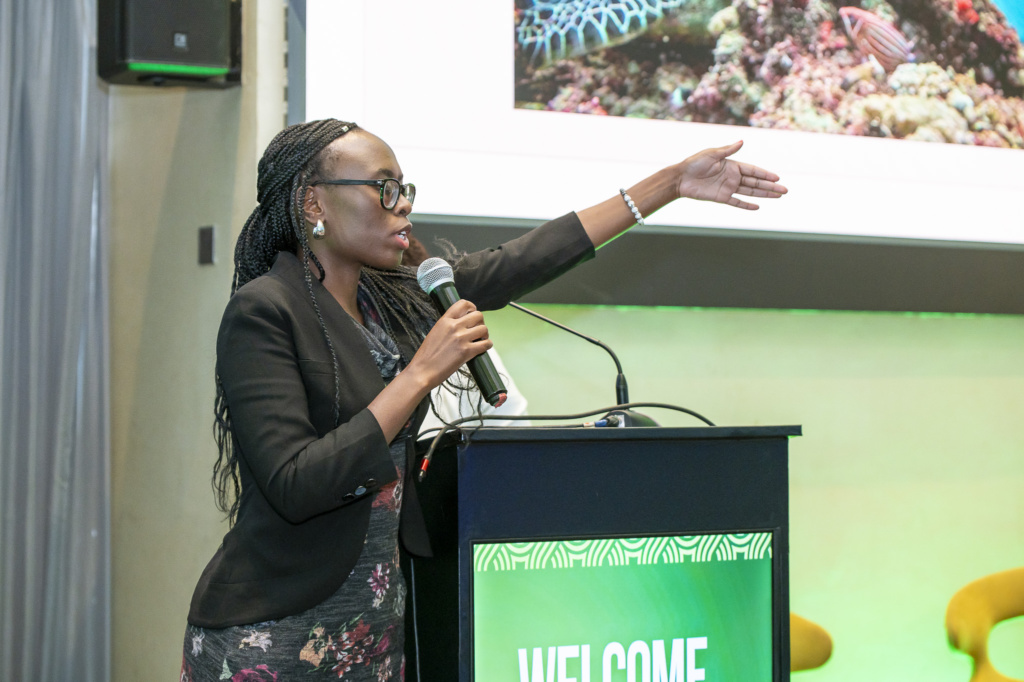
Marine policy advocate Tracy Kadesse, a specialist in maritime law, says strengthening inclusive leadership will be key to achieving lasting ocean protection.
During the Global Conservation Drone and Tech Forum, she urged participants to embrace a shared responsibility for the ocean’s future.
“Our ocean, our heritage, our future,” she said.
For Kenya, hosting the conference offers an opportunity to amplify African perspectives in global ocean discussions and to showcase regional conservation initiatives already underway.
Although the true test of the summit will not be only diplomatic visibility.
Observers say success will ultimately depend on whether international commitments translate into sustained financing, stronger enforcement mechanisms, and inclusive governance structures that empower coastal communities.
As global leaders prepare to gather along Kenya’s coastline, the challenge ahead is clear: ensuring that promises made in conference halls lead to real protection for the ocean ecosystems that sustain life on Earth.


