
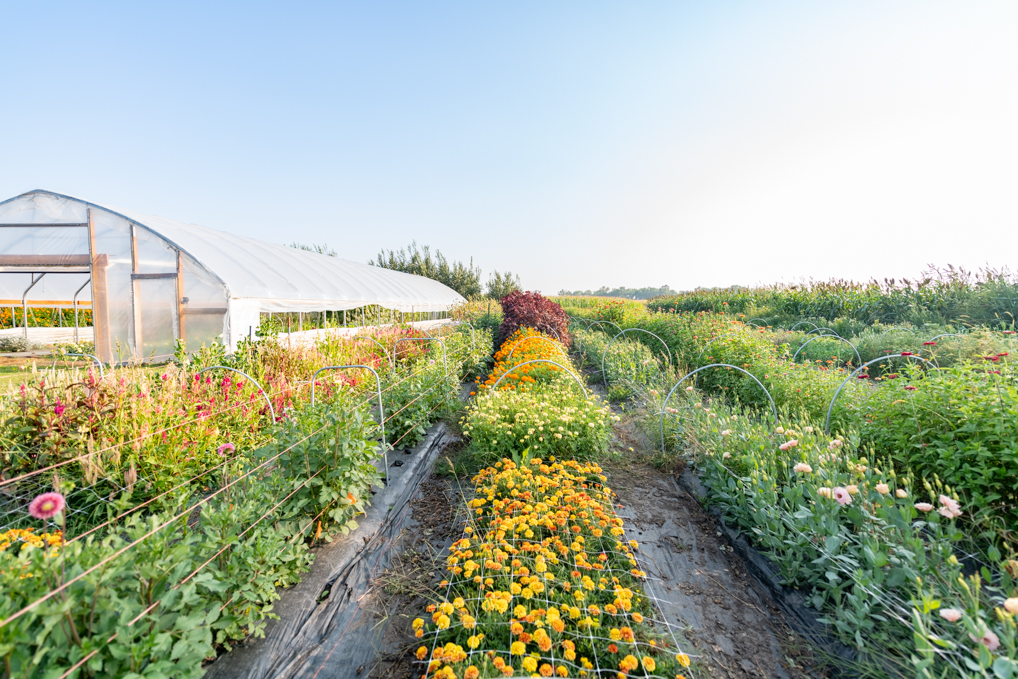
Seed companies play a crucial role in the sustainable growth of Kenya’s horticulture industry. Beyond providing seeds for vegetables, flowers, and herbs, they must be innovative, farmer-centered, and responsive to the realities of changing climates, evolving pests, and shifting market demands.
As farmers face increasing pressure to produce more from shrinking land sizes and limited resources, the quality of seed they plant often determines the success or failure of an entire season.
In this context, seed is no longer just an input but a strategic investment. Farmers increasingly demand varieties that deliver consistent yields, withstand disease pressure, and meet market standards.
Companies that invest in research, farmer education, and long-term partnerships, therefore, stand out. Starke Ayres Kenya has positioned itself as one such partner, offering not just seed but science-backed solutions designed to help farmers adapt and thrive.
Meeting Every Farmer’s Need
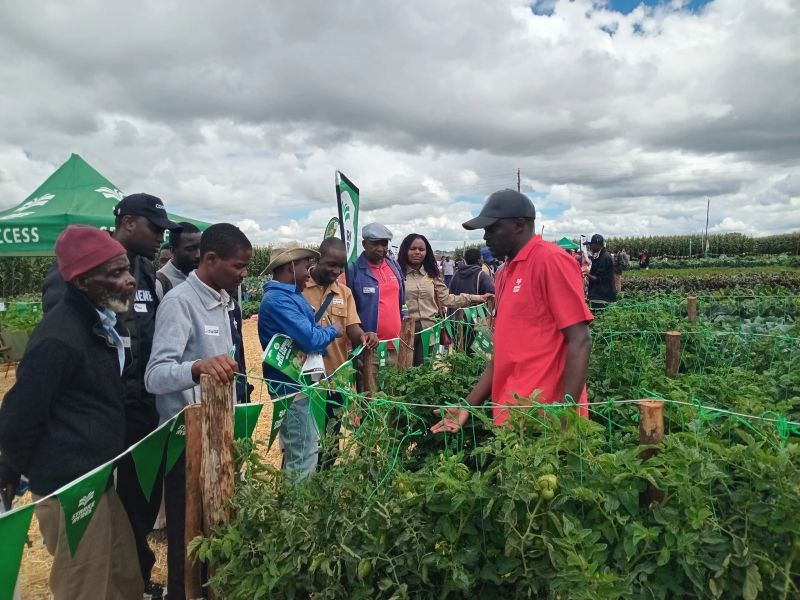
Through careful breeding and scientific research, Starke Ayres Kenya is helping farmers across the country respond to both traditional and emerging challenges in horticulture.
“Our hybrid varieties undergo intensive trials and breeding programs, with particular focus on resilience to pests and diseases,” says Caleb Ngurumi, an agriculture extension officer with Starke Ayres.
With its main Research and Development carried out at the company’s head office in South Africa, Starke Ayres offers a diverse catalogue ranging from vegetables and herbs to flowers and lawn seeds. These varieties are tested across different agro-ecological zones to ensure they perform reliably under varying climatic and soil conditions common in Kenya.
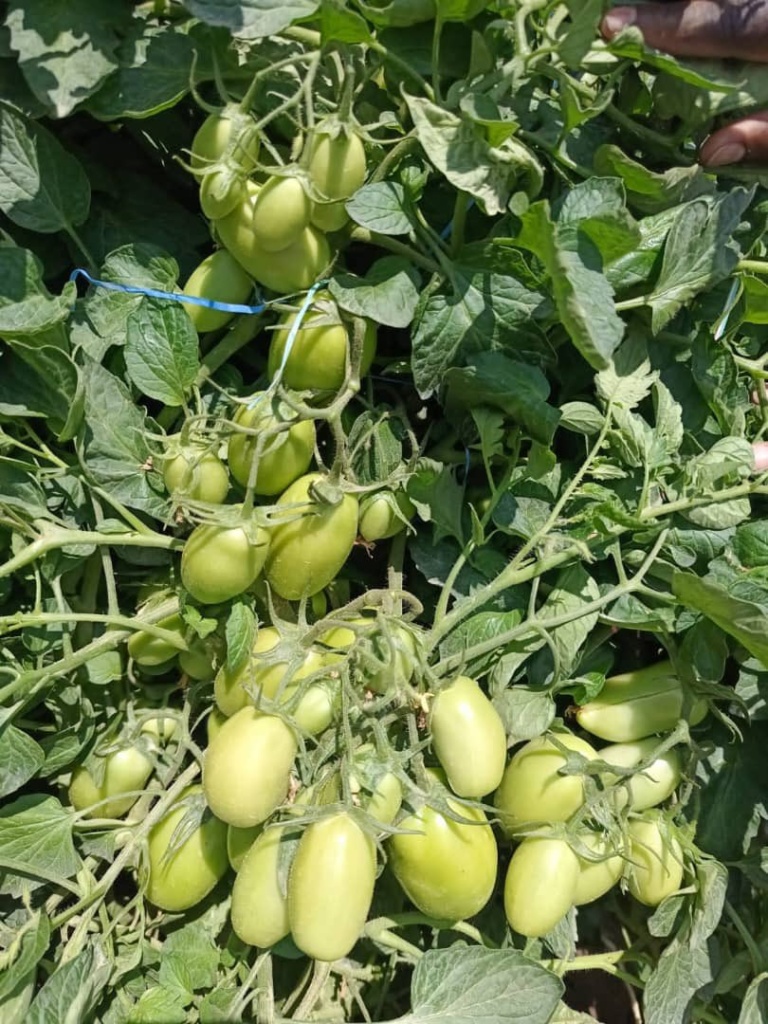
“Our tomato varieties, Star 9065 and Star 9082, are famed for their pest and disease tolerance and high yield, attributed to their cluster fruiting,” Caleb adds.
- Star 9065 is a semi-determinant variety, meaning predictable, compact growth and a concentrated harvest. This makes it ideal for farmers supplying fresh markets or processors within a defined harvest window.
- Star 9082 is an indeterminant variety, offering continuous growth and extended harvest periods, though it requires more attentive management and staking.
Beyond tomatoes, Starke Ayres’ Forkwood Giant spinach stands out for its tolerance to nematode infection and leaf spot. Such characteristics are increasingly valuable as soil-borne diseases become more prevalent, allowing farmers to maintain productivity while reducing crop losses and replanting costs.
Beyond Vegetables
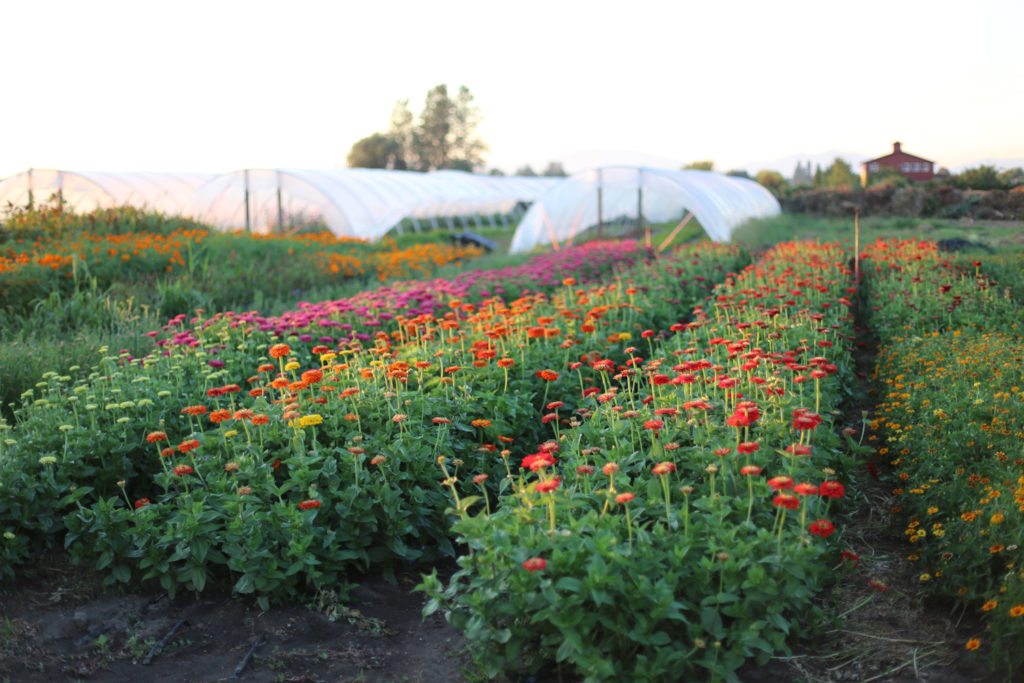
While Starke Ayres is best known for its high-performing vegetable seeds, its flower program tells an equally compelling story of biodiversity and balance. With more than a thousand flower varieties in its catalogue, the company demonstrates how ornamental crops can play a functional role within productive farming systems.
Beyond their aesthetic appeal, these flowers serve practical ecological functions. Some act as natural repellents to pests such as whiteflies and fruit flies, while others attract pollinators essential for fruiting crops.
“The marigold is a repellent,” Caleb notes, “while the zinnia, the lily put, and the carpet of snow attract bees.”
By encouraging farmers to plant these flowers along crop borders or within production blocks, Starke Ayres promotes self-regulating farm ecosystems. This approach helps reduce reliance on chemical pesticides, supports pollination, and contributes to healthier on-farm biodiversity. For farmers, this translates into lower input costs and more sustainable production systems over time.
Farmer Support and Agronomical Services
“Empowering farmers goes far beyond selling quality seeds; it’s about walking the journey with them from planting to harvest,” says Caleb.
To support this philosophy, Starke Ayres provides free agronomical services to all customers. Extension officers stationed across Kenya conduct farm visits, host demonstrations, and offer practical troubleshooting advice tailored to specific crops and regions.
“When a farmer needs our help, they can find the appropriate officer for their location on our website,” Caleb explains.
This decentralized approach ensures timely support while building trust between farmers and the company. With trained personnel spread across the country, Starke Ayres has created a nationwide network of knowledge that helps farmers improve decision-making, manage risks, and achieve better yields season after season.
Adapting to Change
As climate patterns shift and new crop diseases emerge, Starke Ayres urges farmers to embrace innovation rather than rely solely on traditional practices. Irregular rainfall, rising temperatures, and increased pest pressure have made resilience a necessity rather than a luxury.
Caleb emphasizes the importance of quality inputs: “I advise farmers to shift from open-pollinated breeds, which are local varieties, to hybrids.”
Hybrid seeds offer stronger yields, improved uniformity, and better tolerance to stress. They also allow farmers to plan production more accurately, reducing uncertainty and improving market consistency. “When you invest in the best breed, you get the best quality,” he adds.
To Caleb, modern farming follows a simple rule: “Farming is like garbage in, garbage out.” Only by investing in improved seed technology, backed by research, extension support, and farmer education, can growers secure a sustainable and profitable future.
As Kenya’s horticulture sector continues to grow, the role of seed companies like Starke Ayres becomes even more critical. By combining innovation, farmer support, and ecological awareness, the company is helping shape a future where productivity and sustainability go hand in hand.
Read Also: Farmers’ Victory at Risk as Kenya Prepares to Appeal on Indigenous Seeds Rights


