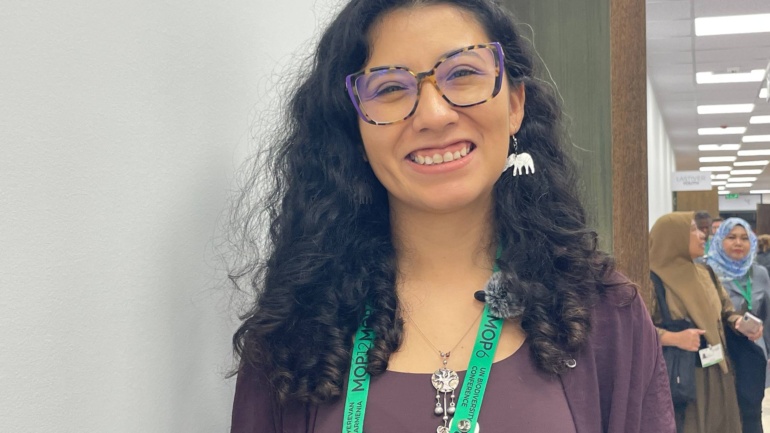
Well, I’m going to put my pen to paper, swallow my pride, and play the blues on the streets today.
‘Why?’ You must be wondering, my dear reader. I have to tell my story; that’s why! How else should a bard tell theirs besides prose and belting out tunes on the world stage, not in designer jackets, but with shawls dripping with tales of their life?
And this is why.
“I am Leshao Naeku.”
That is how Leshao introduces herself, bringing us into the world of Tales of Our Land, a community-led initiative working in Tanzania’s Mara landscape.
For the past four years, the initiative has documented Indigenous stories, amplified community voices, and helped communities recognize the value of knowledge they have carried for generations.
But there is a catch, my dear reader. For people like Leshao, telling a story is not merely an exercise in putting words on paper. It is about reclaiming the microphone in a world where others have long spoken on their behalf.
“For so long people have always told, about us. We’ve never been given the chance to say our own stories but this is the time to tell our stories, document our stories our own way, the way it is,” she says.
There is something worth sitting with in those words. Who gets to tell a people’s story? Who decides which parts deserve to be heard, which knowledge is worth preserving, and whose voice gets a place at the table when decisions are being made about their land and livelihoods?
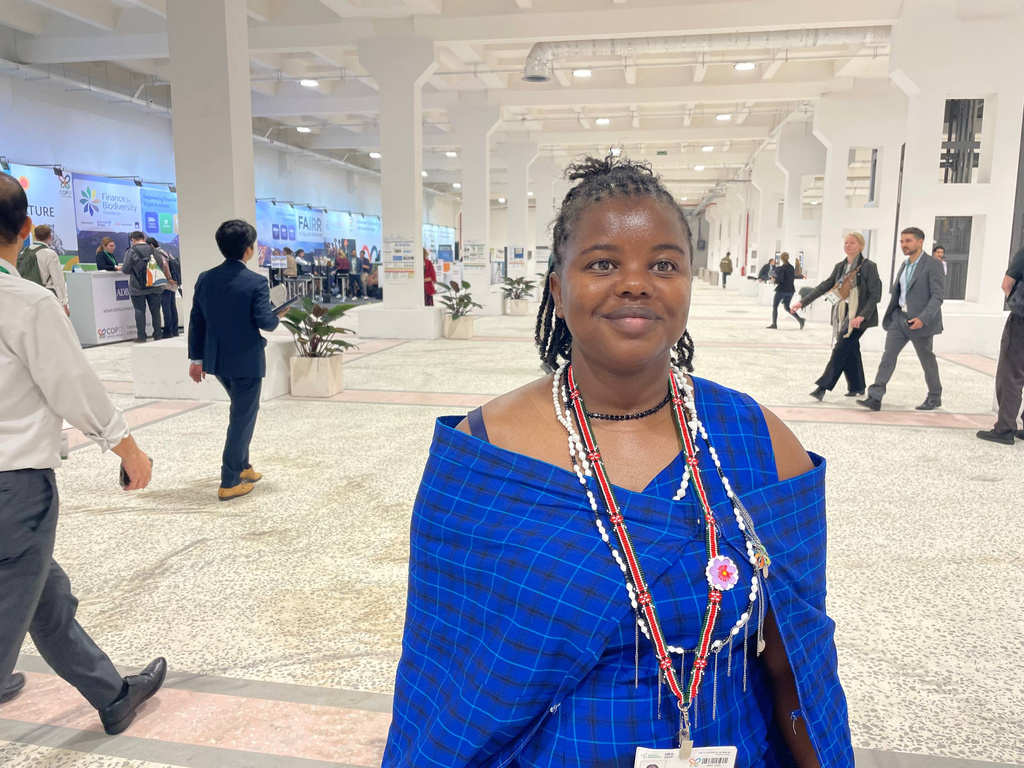
For Leshao, the answers begin with the community itself.
Tales of Our Land seeks to ensure that Indigenous communities remain the custodians of their stories and knowledge, even as they work with outside partners. The ambition, she explains, is not simply to have their experiences heard around the world, but to ensure that the communities themselves lead the telling.
And the stories are not detached from the land. In the Mara landscape, Maasai communities depend heavily on livestock and nature for their livelihoods. Leshao says her team is working to encourage climate-smart activities, including farming and the adoption of climate-smart crops, as well as crops that can support coexistence between people and wildlife.
It is an attempt to widen the livelihood options available to communities whose lives are closely tied to the natural environment.
Yet, beyond livelihoods and storytelling, there is another battle being fought: the struggle to ensure that Indigenous knowledge is understood without being stripped of its meaning.
Leshao identifies the relationship between scientific knowledge and local knowledge as one of the challenges facing the initiative. Indigenous communities, she argues, already possess knowledge that can contribute to protecting nature.
The difficulty comes when that knowledge has to be interpreted through other frameworks before it is recognised or taken seriously.
“Local knowledge doesn’t need to be translated. It just needs to be understood the way it is,” she says.
She goes further, warning that translation can alter both the meaning and the importance of knowledge that communities have held for a very long time.
Now, my dear reader, this is where the tune changes. We are no longer speaking only about who tells the story. We are talking about what happens to the story when it leaves the hands of the people who hold it.
Knowledge does not always travel neatly from one world into another. It carries the circumstances in which it was acquired, the experiences that shaped it and the cultural context through which it is understood. When those elements are lost, what remains may not fully represent what the community intended to share.
For Leshao, recognizing Indigenous knowledge must therefore go beyond collecting it, documenting it or fitting it into scientific frameworks. Communities must retain a central role in determining how their knowledge is represented and used.
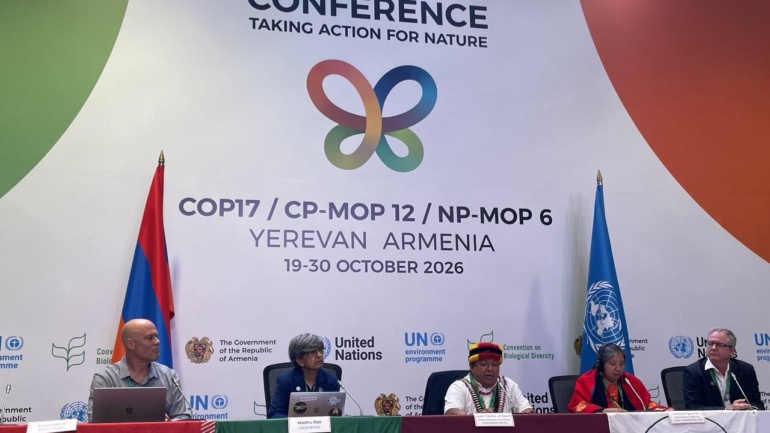
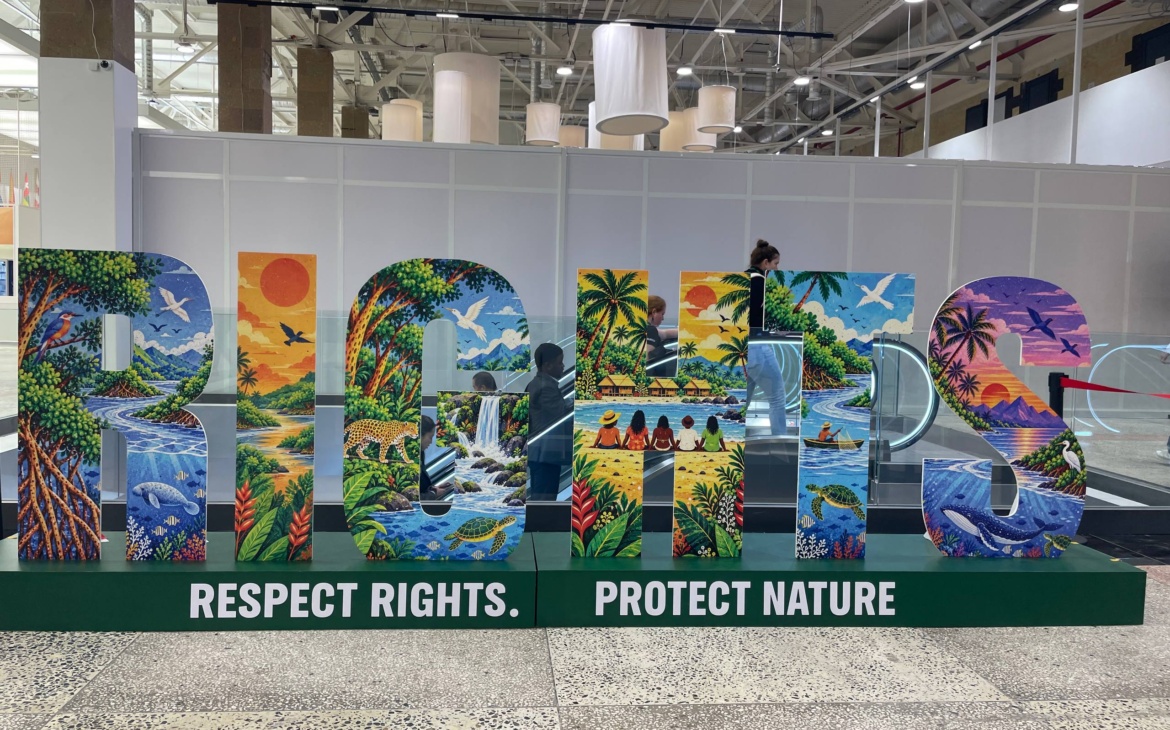
That question of ownership and representation follows her to the 17th Conference of the Parties to the Convention on Biological Diversity (COP17), where she says she has come to listen and understand how Indigenous communities are being represented in global biodiversity discussions.
She wants to know what decisions are being made about issues affecting these communities, what governments are doing to ensure their voices are heard, and whether they are being included as genuine partners.
Her concern is that Indigenous peoples should not be left at the receiving end of decisions made elsewhere.
“They should not be seen as receivers but partners who should be represented on decision tables,” she says.
For Leshao, communities must have the opportunity to contribute to negotiations, influence the decisions that affect them, and help determine the solutions that are ultimately pursued.
“My message is first to appreciate the fact that we are here. We are here to listen to what is happening in our community, and that is a first step to actually creating opportunities for us to speak out and also to say the things that are affecting us and the solution that we want but not the solution that the global states want for us. We are here to negotiate and also to decide together on the way forward,” she says.
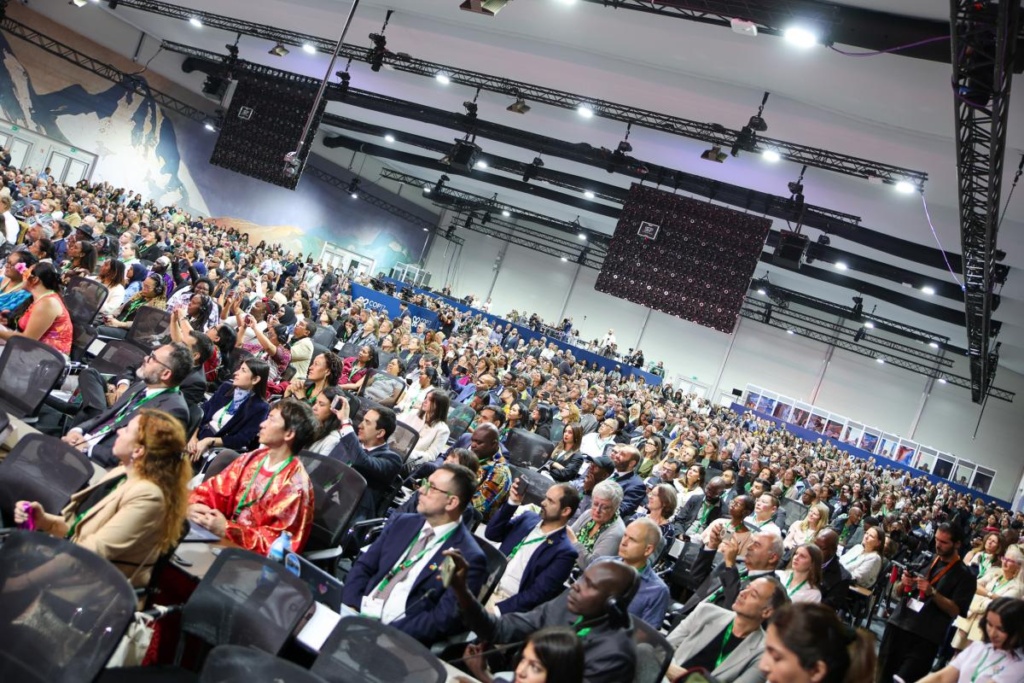
Her words return us to the central question running through her work: what does meaningful representation look like when the people most affected by decisions have not always had the power to shape them?
For communities whose livelihoods depend on nature, biodiversity discussions are not simply conversations happening in distant conference halls. They concern the landscapes they inhabit, the resources they depend on and the knowledge they use to navigate their environment.
Leshao’s appeal is that these communities should not be treated merely as sources of information or recipients of conservation programmes. They should help shape the decisions, partnerships and solutions that affect their lives.
And she has a message for her own community, too.
She urges Indigenous people to speak out, remain active and follow discussions taking place about their future.
“They must recognize,” she says, “that the indigenous communities’ knowledge and experience are important to the protection of nature.”
“They are very important to nature, and they are the key holders of all the solutions that are needed to protect nature,” she says.
Perhaps, then, the blues Leshao is singing is not simply a lament about the stories that have been told for her people.
It is also a demand for a different arrangement: one in which Indigenous communities hold the microphone, determine how their stories are told, and have a hand in deciding what comes next.
And if the world is willing to listen, it must also be willing to share the stage.
Read Also: As COP17 Meets, World’s Rarest Great Ape Faces a Make-or-Break Test in Indonesia
Author Profile

- How can we learn if we don't question?
Latest entries
 COP1727 October 2026A Bard, the Blues and the Stories of Our Land
 Health26 October 2026KSh454 Million DNA Sequencer to Expand Kenya’s Genomic Research Capacity
 Climate23 October 2026The Road Back to 1.5°C: UNEP Sets Out the Emissions Cuts Needed
 Oceans22 October 2026Seamounts Under Threat: Can Governments Turn Ocean Promises into Protection?