
Africa’s food systems have expanded production over the past few decades, but more food coming from farms has not necessarily meant healthier food reaching people’s plates.
That gap between what Africa produces and what people are able to eat is increasingly shaping the continent’s food systems agenda.
Millions of households continue to face difficulties accessing food that is safe, affordable and nutritious. The challenge, therefore, is no longer only about increasing agricultural production. It is also about whether food systems can make healthier diets available, affordable and desirable to the people who depend on them.
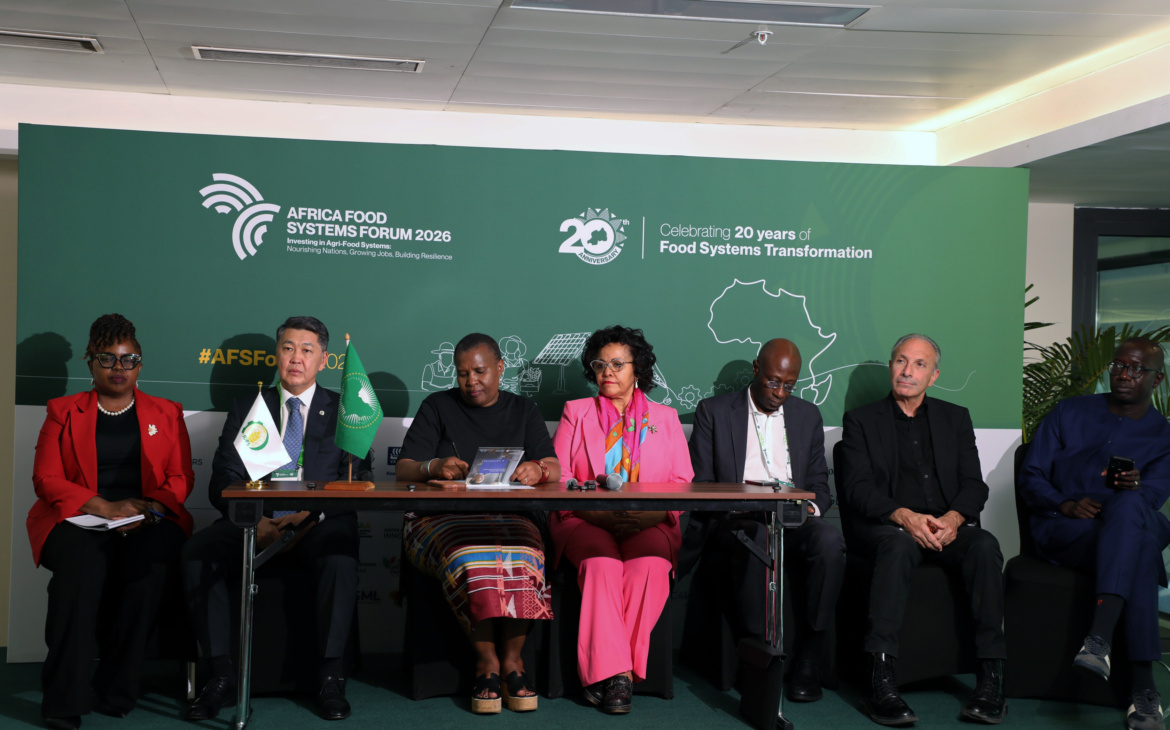
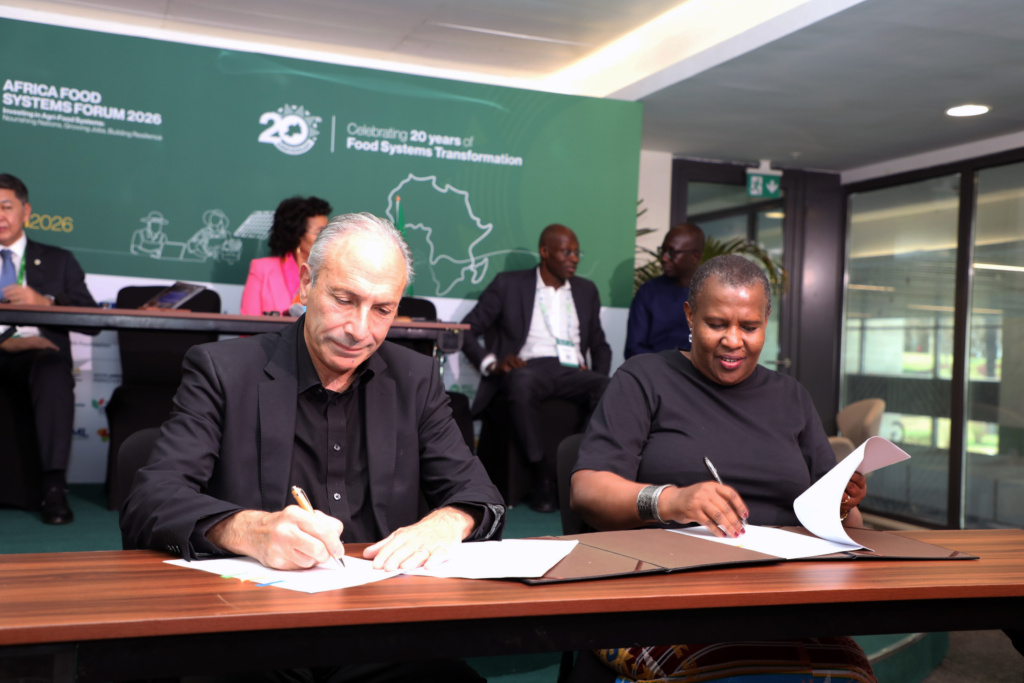
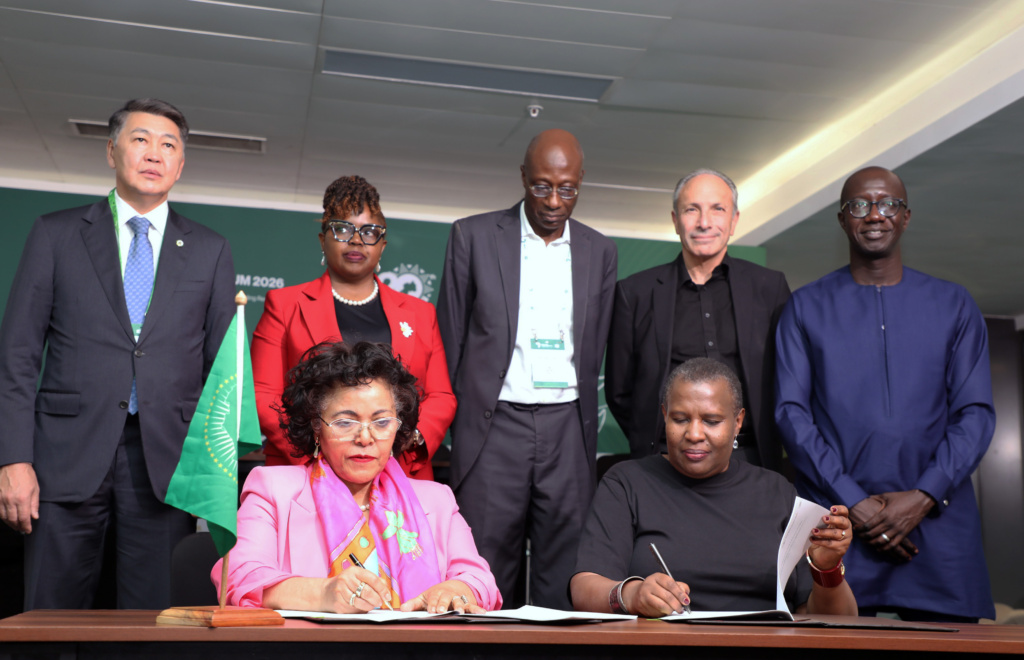
It is against this backdrop that the Global Alliance for Improved Nutrition (GAIN) and AGRA have renewed their partnership, signing a Letter of Intent (LoI) on the sidelines of the Africa Food Systems Forum to strengthen efforts to place nutrition more firmly at the centre of Africa’s food systems transformation.
The partnership brings together two organisations working across different parts of the food system, with an emphasis on connecting agricultural investment and production with nutrition outcomes.
“No single organisation can close the gap between Africa’s farms and its plates,” said Alice Ruhweza, President of AGRA.
Ruhweza said the partnership would seek to bring nutrition into the broader alignment of governments, businesses, farmers, financiers and researchers by building markets for nutrient-dense foods, mobilising private investment and measuring whether diets, rather than harvests alone, are improving.

That distinction is important. Agricultural success is often measured through production, yields, investment and market performance. Yet these indicators do not necessarily reveal whether people are consuming diverse and nutritious diets.
A food system can produce more while consumers still struggle with the price of healthier foods, limited availability, inadequate storage and distribution, or markets that favour cheaper, less nutritious options. The GAIN-AGRA partnership seeks to address some of these connections.
Moving nutrition from the margins to the food system
The renewed collaboration is built around five areas of work. The organisations intend to mainstream nutrition into the strategic direction of the Africa Food Systems Forum, while supporting AGRA to embed nutrition more systematically across its core investment areas.
They will also generate evidence and data to help identify which agricultural investments can deliver stronger nutrition outcomes and support countries seeking to accelerate food systems transformation by 2030.
The fifth area focuses on gender inclusion, agripreneurship and job creation pathways that can deliver nutrition outcomes within communities and across supply chains.
Together, these areas point to a broader understanding of nutrition. It is not simply what farmers grow or what consumers eat. It is also about the markets connecting the two, the investments shaping those markets, the infrastructure that moves food, and the people, particularly women and young entrepreneurs, participating in food value chains.
GAIN Executive Director Lawrence Haddad pointed to the scale of the affordability challenge. According to GAIN, in 2024 the number of Africans unable to afford a healthy diet exceeded one billion, meaning roughly two in three Africans could not afford a meal that would support their health.
Haddad linked the consequences beyond nutrition, noting that inadequate access to healthy diets can affect economic productivity, entrepreneurship, job creation, innovation, food-system resilience and pressure on health systems.
For Africa, this makes affordability a central part of the nutrition conversation. It also raises questions about where agricultural investment is directed and how markets can make nutrient-dense foods more accessible to consumers.
The partnership therefore places evidence and measurement alongside investment. The intention is to understand which interventions work, generate practical knowledge and help governments, investors and practitioners scale approaches that produce measurable nutrition benefits.
This evidence-based approach is particularly relevant as African countries pursue food systems transformation while also dealing with climate pressures, changing diets, employment needs and demands for greater resilience.
From production to people
The partnership will also work through the Accelerator Initiative, supporting countries as they seek to accelerate food systems transformation by 2030.
This will involve governments, businesses, development finance institutions and public development banks to build collective capacity, support financing and help governments pursue systemic changes for people and the planet.
The emphasis on collaboration reflects the complexity of the challenge. Improving diets cannot be achieved by farmers alone. Nor can it be solved solely through consumer awareness.
Farmers need markets for diverse and nutritious foods. Businesses need viable opportunities to process and distribute them. Consumers need sufficient purchasing power. Governments need policies and investments that support healthier food environments. And financial institutions need ways of directing capital towards food-system outcomes beyond production alone.
For GAIN and AGRA, the renewed partnership is ultimately an attempt to bring these pieces closer together. Haddad said the two organisations intend to pool their expertise and align their programmes around a shared objective: making nutritious whole foods more available, affordable and desirable while using sustainable practices.
The larger test, however, will be what happens beyond the partnership announcement. Africa’s food systems are already producing, trading and moving food at scale. The question now is whether that activity can translate into diets that are healthier and more affordable for the people at the end of the chain.
For a continent seeking to transform its food systems by 2030, the measure of progress may increasingly have to move beyond what leaves the farm. It will also have to ask what finally reaches the plate.
Author Profile

-
Seeker.
Inspire AFRIKA.
Latest entries
 Agriculture14 October 2026Africa’s Food Systems Future Depends on Listening to Farmers
 Weather Forecasts13 October 2026Rain and Rising Temperatures Forecast Across the Greater Horn of Africa
 Climate9 October 2026Beyond Negotiations: Africa Expects Concrete Outcomes from Antalya
 Animals7 October 2026In Kajiado’s Drylands, Collective Selling of Small Herds Is Changing the Livestock Trade


