
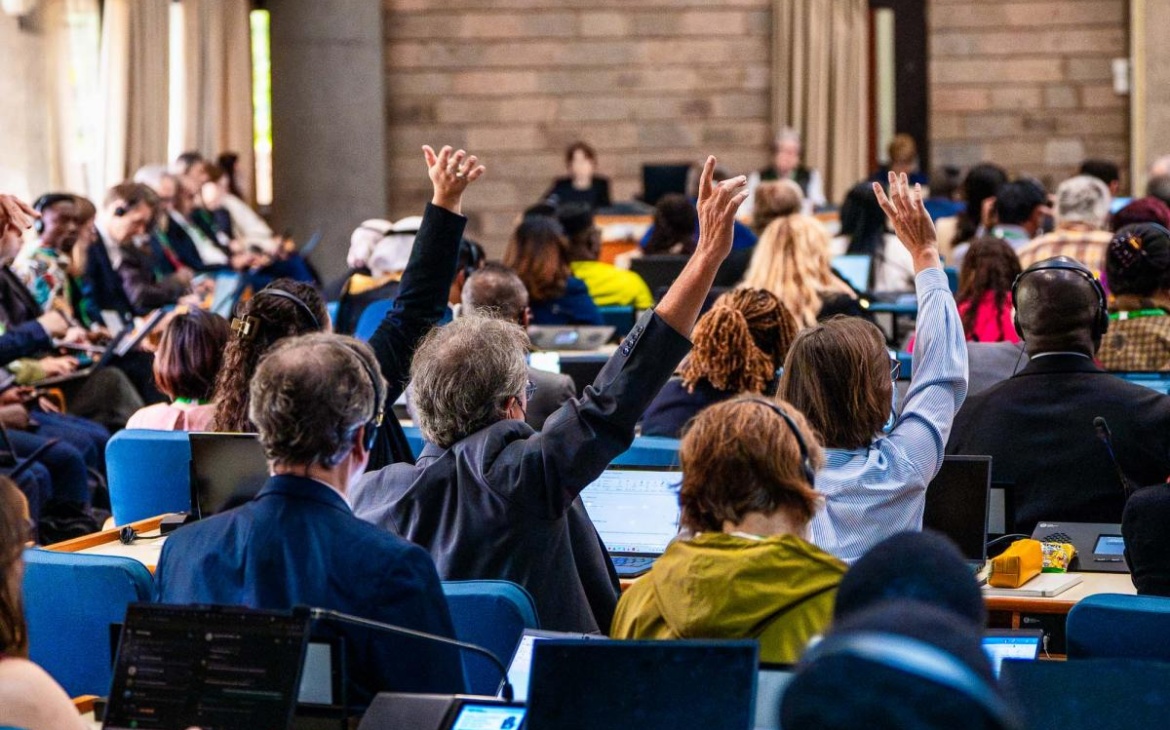
As countries shift from negotiating global biodiversity targets to implementing them, the success of the Kunming-Montreal Global Biodiversity Framework (KM-GBF) will increasingly depend on one question: how will governments know whether they are making progress?
The answer is taking shape through the work of the Intergovernmental Science-Policy Platform on Biodiversity and Ecosystem Services (IPBES), whose ongoing assessments are developing the scientific evidence needed to help governments monitor biodiversity, integrate conservation into development planning and evaluate whether global efforts are sufficient to halt and reverse nature loss.
During a side event held alongside the twenty-eighth meeting of the Subsidiary Body on Scientific, Technical and Technological Advice (SBSTTA28), scientists and biodiversity experts from around the world presented progress on three landmark assessments. These are expected to become key scientific references for implementing the Global Biodiversity Framework over the next several years.
Opening the event, CBD Executive Secretary Astrid Schomaker described the partnership between the Convention on Biological Diversity and IPBES as essential to ensuring that biodiversity policies remain grounded in credible science and evidence-based.
Astrid emphasised that the platform’s assessments provide governments with scientifically robust evidence that has already undergone rigorous review and enjoys broad international consensus. “We can build on science that we have, which is evidence-based with solid arguments. Knowing that through IPBES we are provided with so much data is really an advantage that makes us strong,” Schomaker said.
In her speech, it was revealed that the forthcoming Second Global Assessment on Biodiversity and Ecosystem Services is among the most anticipated scientific products supporting implementation of the Global Biodiversity Framework. This indeed remains instrumental, considering the landmark 2019 assessment helped generate the momentum that ultimately led to the adoption of the Framework itself.
As governments work towards the Framework’s 2030 targets and 2050 vision, Schomaker said the relationship between science and policy must become even stronger as we build the momentum.
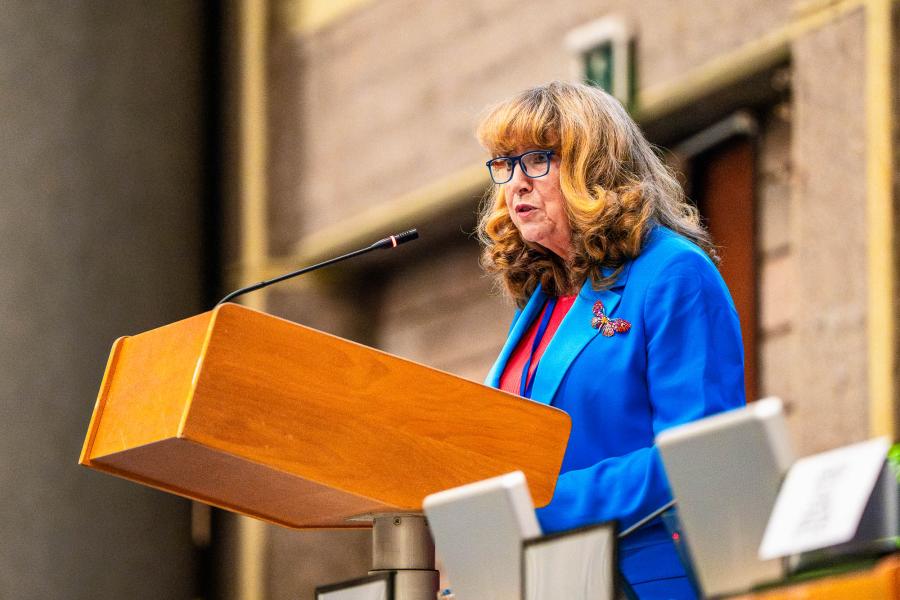
“Science needs to speak to policy, but that also means science needs to listen to policy and understand what the policymakers’ needs are,” she said, stressing that scientific evidence must answer the practical questions governments face when implementing biodiversity commitments.
The first assessment presented focused on biodiversity monitoring, an issue increasingly recognised as one of the biggest implementation challenges facing countries.
A session in which Co-chair Maurizio Ferrari explained that the methodological assessment is evaluating how governments can strengthen their capacity to monitor biodiversity, nature’s contributions to people and the direct and indirect drivers of biodiversity loss.
Pointing out that it also examines existing monitoring systems, identifies major data gaps and explores options for improving cooperation, technology transfer and data sharing, particularly for developing countries. Indigenous and local knowledge is integrated throughout the assessment alongside scientific evidence.
Ferrari noted that while hundreds of biodiversity monitoring initiatives already exist worldwide, bringing them together into a coherent global picture remains a major challenge.
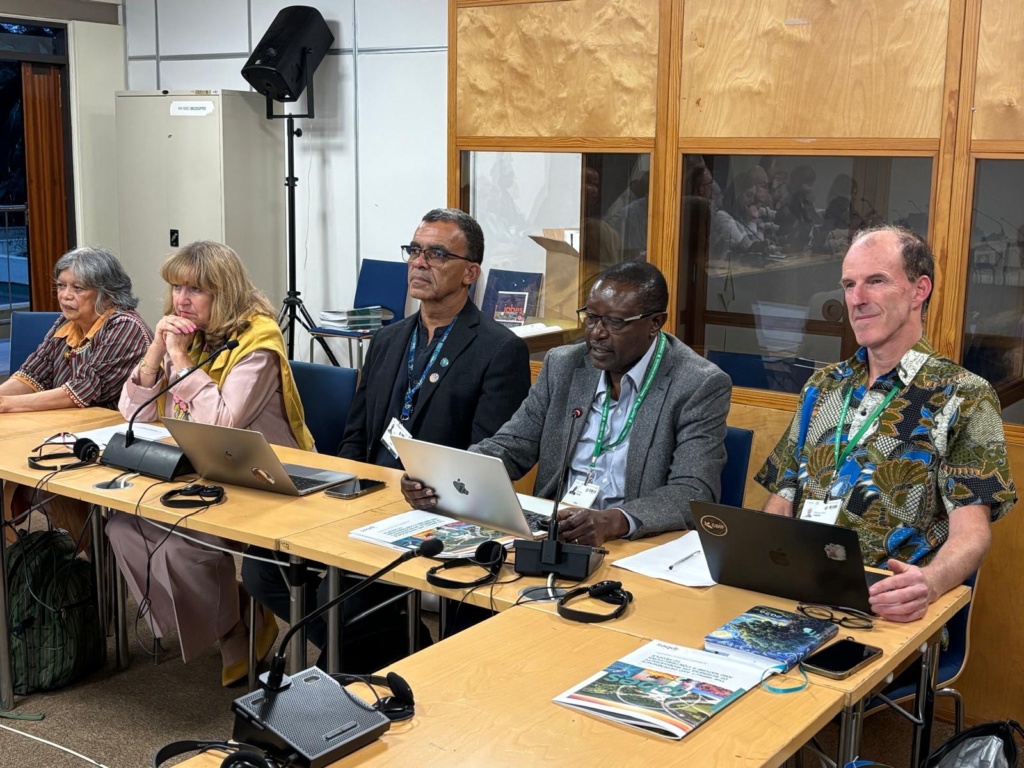
“It’s actually only the tip of the iceberg. There are so many other initiatives out there that may not be reflected in what we put on paper now,” he said, suggesting that future “living” repositories maintained beyond the assessment itself could help governments access continuously updated biodiversity information.
A pointer to which the majority of the room concurred, since such a resource would enable countries to easily identify where biodiversity data already exist and strengthen collaboration among institutions collecting environmental information.
Running alongside the monitoring work is the Spatial Planning and Connectivity Assessment, which addresses another critical pillar of the Global Biodiversity Framework: integrating biodiversity into decisions about land, freshwater and marine use.
Presenting the assessment on behalf of its co-chairs, Simone Schiele said it entails developing options for improving conservation planning, restoration and sustainable land and seascape management through better methods, guidance, scenarios, models, data and capacity building.
Adding that involved is a focus on ecological connectivity and how biodiversity considerations can be integrated across sectors and scales to support implementation of the Global Biodiversity Framework as well as other multilateral environmental agreements.
One of the most comprehensive assessments under development is the Second Global Assessment on Biodiversity and Ecosystem Services, which will provide the first global evaluation of biodiversity progress since publication of the landmark 2019 report.
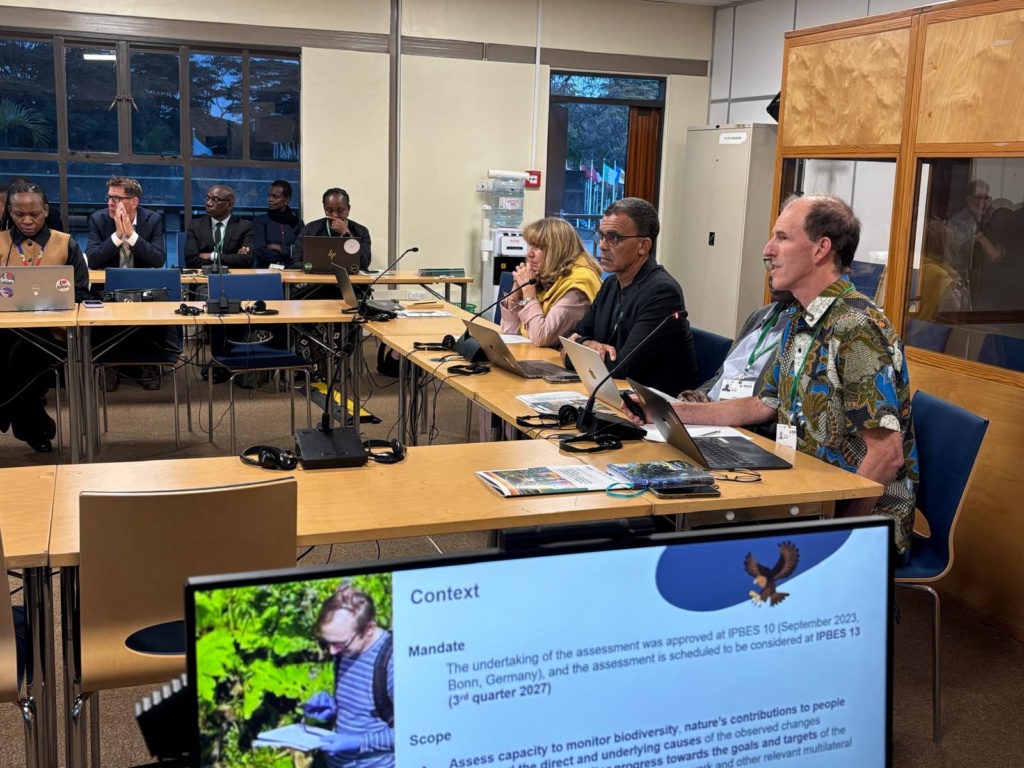
Co-chair Dr Nicholas Oguge of the University of Nairobi takes us through how the assessment will synthesise new scientific knowledge while evaluating the stocktake to decipher whether the world is on track to achieve the Framework’s biodiversity goals.
“The scope is essentially to assess relevant knowledge that has become available since the publication of the first global assessment and assess progress towards achieving the goals of sustainability and living in harmony with nature,” Oguge said.
Beyond assessing biodiversity trends, the report will also evaluate the additional scientific and technical actions needed over the coming decades while supporting implementation of multilateral environmental agreements (MEAs) and the Sustainable Development Goals (SDGs). It is expected to be adopted in 2028.
Although each assessment addresses different dimensions of biodiversity governance, together they reveal how IPBES is evolving from documenting the state of nature to providing governments with practical scientific tools that can then guide implementation.
The monitoring assessment seeks to answer whether progress can be measured, while the spatial planning assessment explores how biodiversity can be embedded into development decisions across sectors. As such, the Second Global Assessment will determine whether collective global action is indeed sufficient to achieve internationally agreed biodiversity goals.
Discussions during the side event also highlighted the practical realities of translating science into policy as the delegates welcomed the assessments but raised concerns about overlapping review timelines, noting that countries often struggle to provide expert input to multiple global assessments simultaneously.
The South African delegate raised a concern that most of the members seconded with an intention to seek further redress despite the complexity of the issue. Others called for stronger integration of national biodiversity reports and monitoring data into the assessments to improve their relevance for implementation.
Responding to delegates, Ferrari reiterated that the assessment teams are working to incorporate key findings from national reports and ongoing CBD negotiations wherever possible, despite challenging timelines. A message that was echoed by IPBES Chair David Obura as he emphasised that the Platform’s open data approach is intended to ensure that information generated through the assessments remains accessible long after publication.
The event also highlighted the growing role of Indigenous Peoples and local communities (IPLC) in biodiversity science. Through dedicated dialogue workshops and methodological guidance. It was noted how Indigenous knowledge is increasingly shaping the framing, evidence base and policy relevance of IPBES assessments rather than how it was being treated as supplementary information.
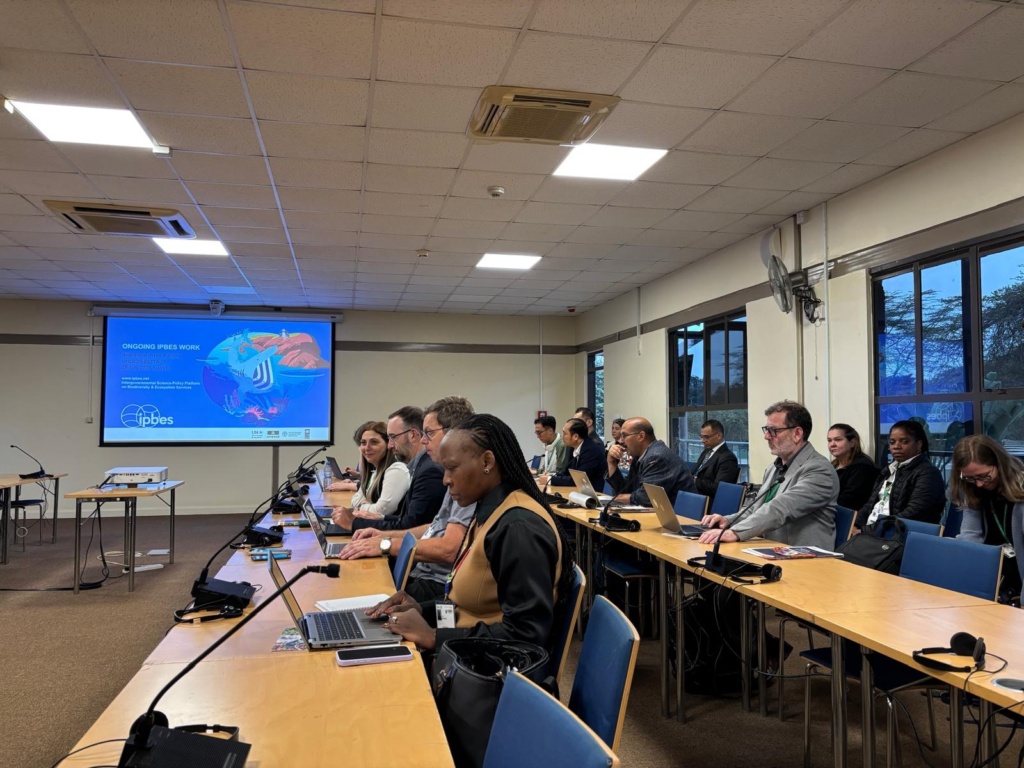
For Schomaker, however, the value of the assessments ultimately lies not in the reports themselves but in their ability to influence decisions on the ground that are seen to address the triple planetary crises we are faced with of high frequencies and intensities on a global scale.
“Let’s really take seriously what we get as advice, and make that advice find its way into policy and then actually in the field,” she urged.
The discussions and conversations shall continue: two assessments are expected for adoption in 2027 and the flagship global assessment following in 2028. IPBES is steadily constructing the scientific foundation upon which implementation of the Global Biodiversity Framework will increasingly depend, ensuring that the world’s biodiversity commitments are measured not only by ambition, but by evidence.


