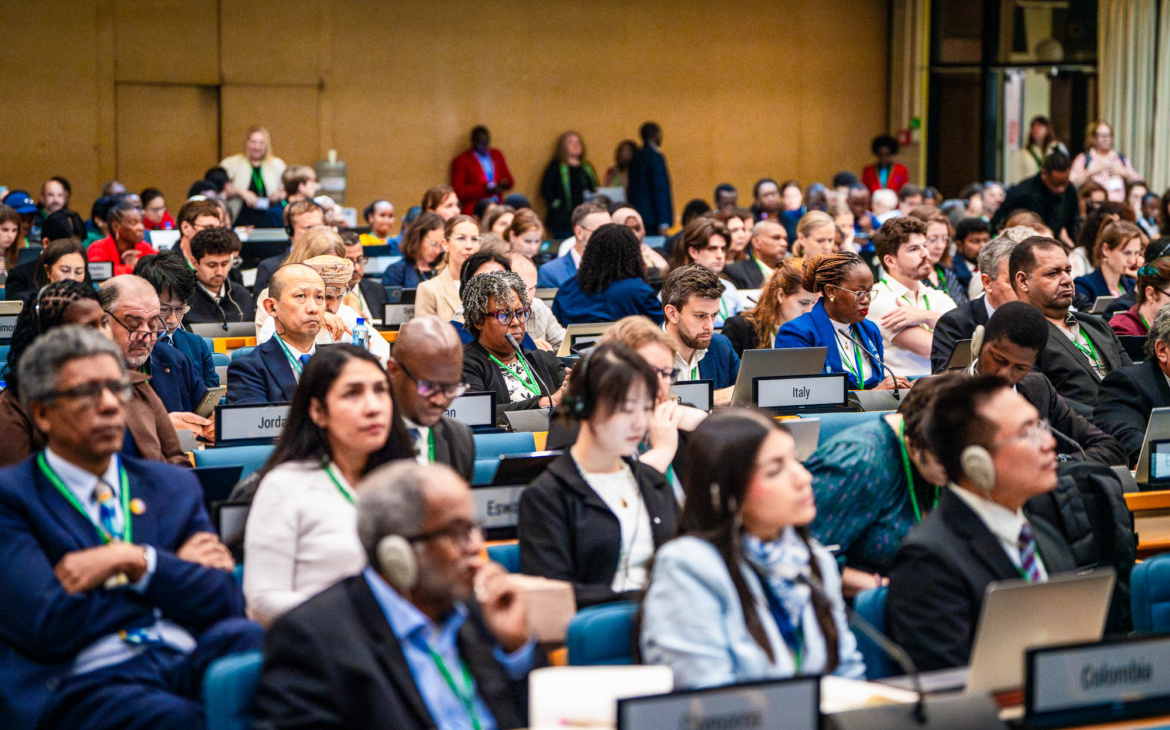
Delegates from around the world have begun two weeks of negotiations in Nairobi to assess global progress on biodiversity conservation, with the first comprehensive review of the Kunming-Montreal Global Biodiversity Framework (KMGBF) indicating that current efforts are falling short of what is needed to meet its 2030 targets.
The meetings, convened under the Convention on Biological Diversity (CBD), will examine the draft State of Biodiversity Action report, the first global assessment of progress since governments adopted the KMGBF in 2022. While the report credits the framework with driving unprecedented global engagement for nature, it concludes that implementation remains insufficient, with several targets, including biodiversity financing under Target 19, remaining off track.
Four years after governments agreed on an ambitious roadmap to halt and reverse biodiversity loss by 2030, the first global assessment paints a mixed picture. It points to growing international commitment and stronger policy engagement, but warns that these efforts have yet to translate into the pace and scale of action needed to safeguard ecosystems, species and the benefits nature provides to people. The Nairobi negotiations are expected to bridge that gap by identifying where countries must step up implementation before COP17.
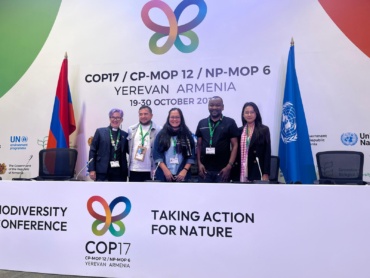
The findings will form the basis of the first Global Review of the framework at the 17th Conference of the Parties (COP17), scheduled for October 19–30 in Yerevan, Armenia. A final version of the report will be published shortly after the Nairobi negotiations conclude.
The Nairobi meetings comprise the 28th session of the Subsidiary Body on Scientific, Technical and Technological Advice (SBSTTA-28), running from July 27 to August 1, followed by the seventh meeting of the Subsidiary Body on Implementation (SBI-7) from August 4–12.
Together, the sessions will shape recommendations for COP17 and help determine how governments can accelerate action during the remaining years of the global biodiversity framework.
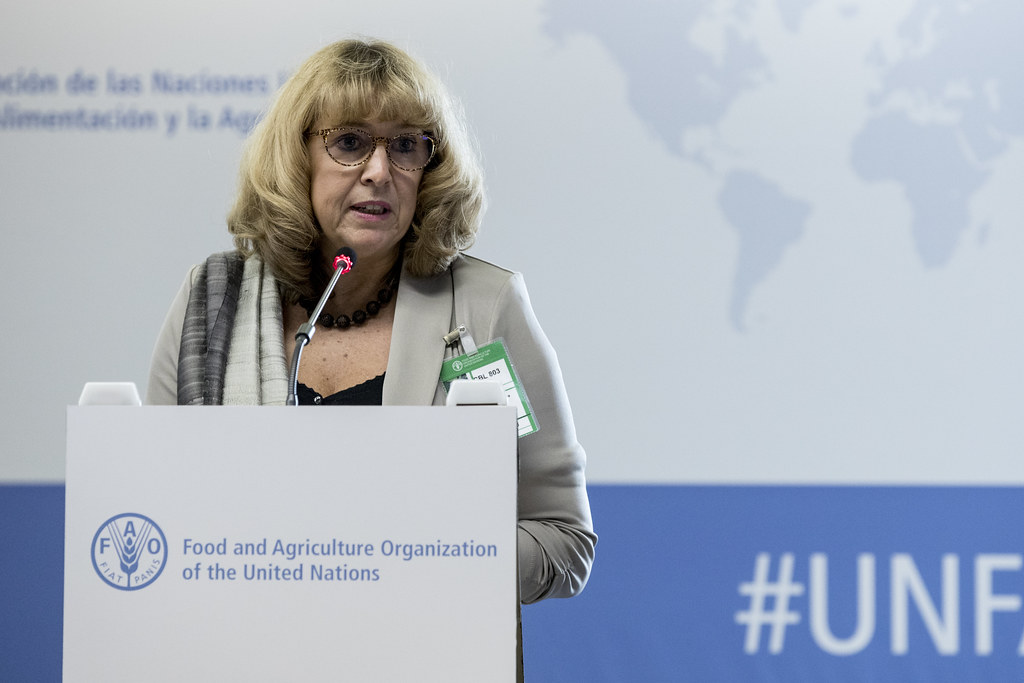
“The Kunming-Montreal Global Biodiversity Framework has generated unprecedented worldwide engagement for biodiversity,” said Astrid Schomaker, Executive Secretary of the Convention on Biological Diversity.
“We now have, for the first time with the Global Report, a shared evidence base on how we are doing in implementing the Framework, but evidence is only valuable if it informs action. The negotiations beginning today are an opportunity for Parties to consider this evidence as they build consensus on the first Global Review and the decisions that will need to be taken to increase ambition, accelerate and scale up action for biodiversity at COP17.”
Halfway to the framework’s 2030 deadline, negotiators will use the report to identify where implementation is lagging and agree on recommendations to help close those gaps before governments meet in Armenia later this year.
SBSTTA-28 will focus on the scientific and technical foundations for those decisions, including discussions on the KMGBF monitoring framework, marine and coastal biodiversity, protected and conserved areas, sustainable wildlife management, synthetic biology, and the application of scientific knowledge in biodiversity policy.
Delegates will also consider recommendations informed by the Business and Biodiversity Assessment, published earlier this year by the Intergovernmental Science-Policy Platform on Biodiversity and Ecosystem Services (IPBES).
As SBSTTA Chair Jean Bruno Mikissa of Gabon pointed out, the recommendations negotiated at SBSTTA provide the essential bridge between scientific evidence and political decision-making.
“Our responsibility is to ensure that informational inputs and recommendations are scientifically robust, technically sound, and responsive to the needs of Parties as they prepare for COP17,” added Jean.
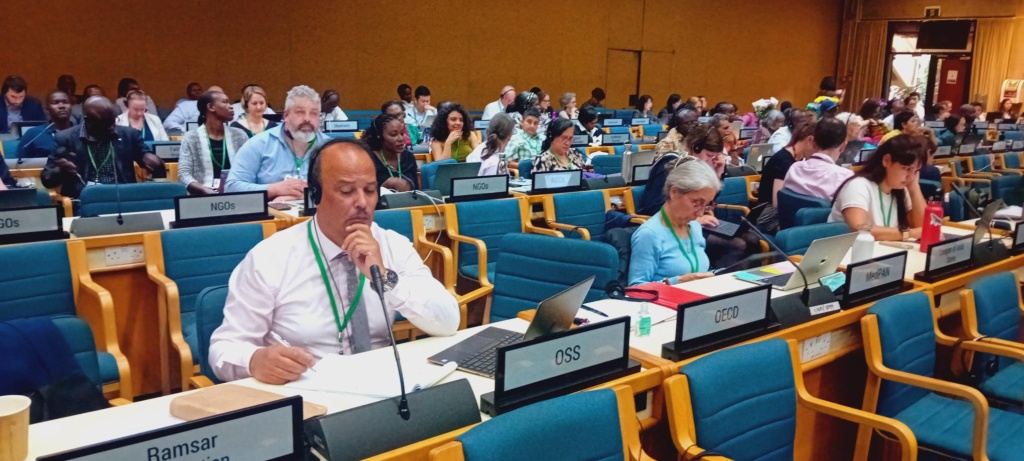
Building on the scientific recommendations, SBI-7 will shift attention to implementation, negotiating measures aimed at closing financing gaps, strengthening capacity-building, mobilising resources, advancing biodiversity mainstreaming across sectors, improving access to digital sequence information on genetic resources, and supporting implementation of the Cartagena and Nagoya Protocols.
“SBI-7 is a critical milestone on the road to COP17,” said SBI-7 Chair Clarissa Souza Della Nina of Brazil.
Chair Clarissa further emphasized that parties will consider a set of agenda items that have the potential to shape the global biodiversity agenda through 2030 and beyond.
“The decisions taken at SBI-7 will help define the level of ambition we can expect at COP17 and will be instrumental in accelerating collective action for biodiversity worldwide,” said Clarissa.
The Nairobi negotiations are expected to determine how governments respond to the growing gap between global biodiversity commitments and implementation, setting the agenda for decisions that could shape conservation efforts during the final stretch towards the framework’s 2030 targets.
Author Profile

-
Seeker.
Inspire AFRIKA.
Latest entries
 Biodiversity26 October 2026Beyond Biodiversity Finance, A Justice Gap Governments Must Confront
 Biodiversity24 October 2026Faith Leaders and Civil Society Call for Stronger Partnerships to Restore Nature
 Biodiversity23 October 2026Inside Kobe’s Grassroots Effort to Train the Next Generation of Biodiversity Leaders
 Animals23 October 2026As COP17 Meets, World’s Rarest Great Ape Faces a Make-or-Break Test in Indonesia