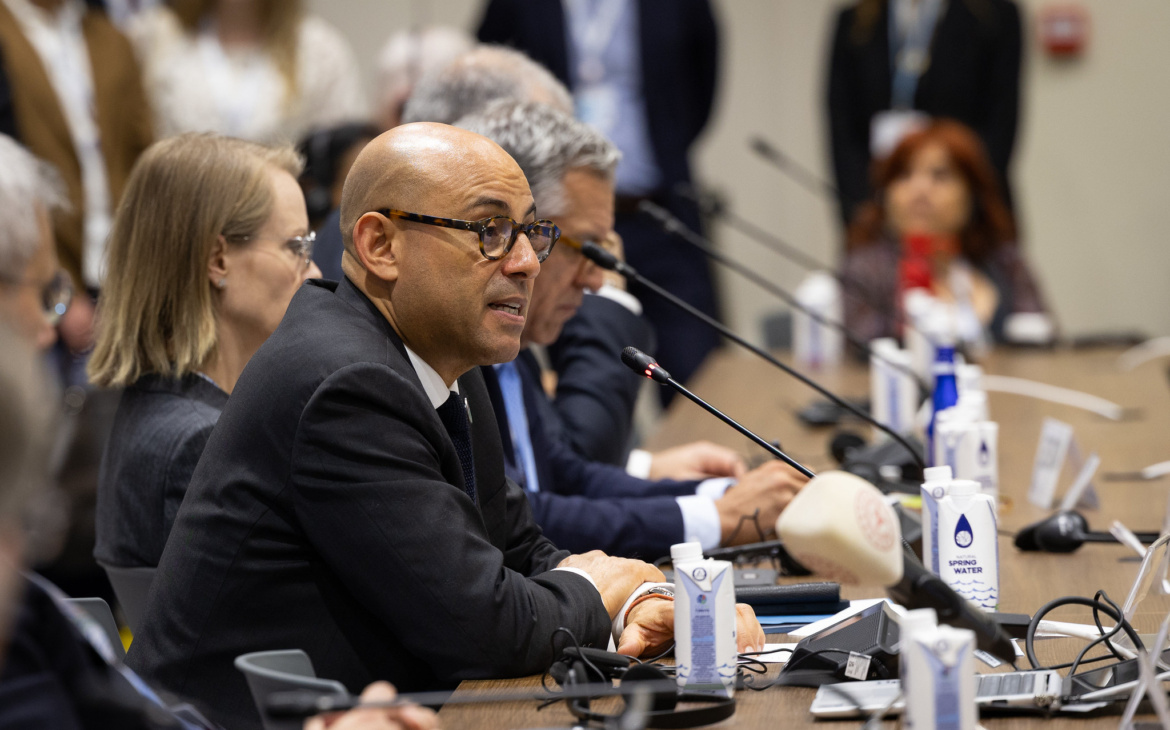
As extreme heat, floods and other climate hazards threaten healthcare delivery, UN Climate Change Executive Secretary Simon Stiell calls for stronger health infrastructure, increased adaptation financing and greater integration of health into national climate plans.
A hospital ward grows hotter as temperatures rise. Electricity fails, leaving refrigerators storing essential medicines without power. Floodwater contaminates a community’s water supply, while damaged roads prevent patients from reaching healthcare facilities. For a pregnant woman in labor, the journey to the nearest clinic could become a matter of life and death.
These scenarios illustrate how climate change is threatening not only human health but also the systems responsible for delivering essential healthcare.
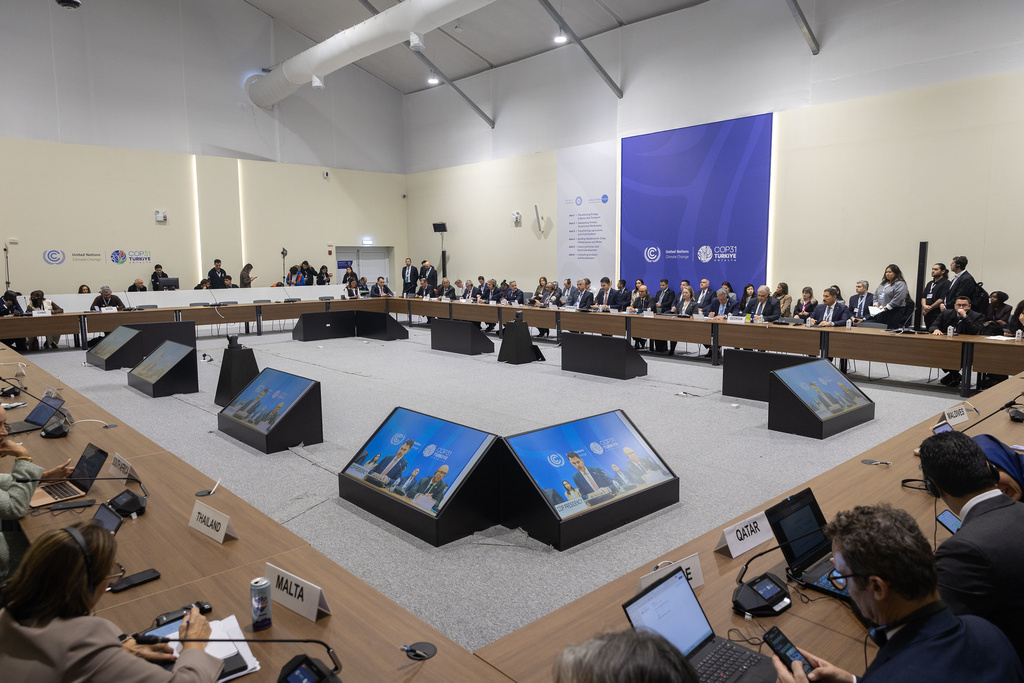
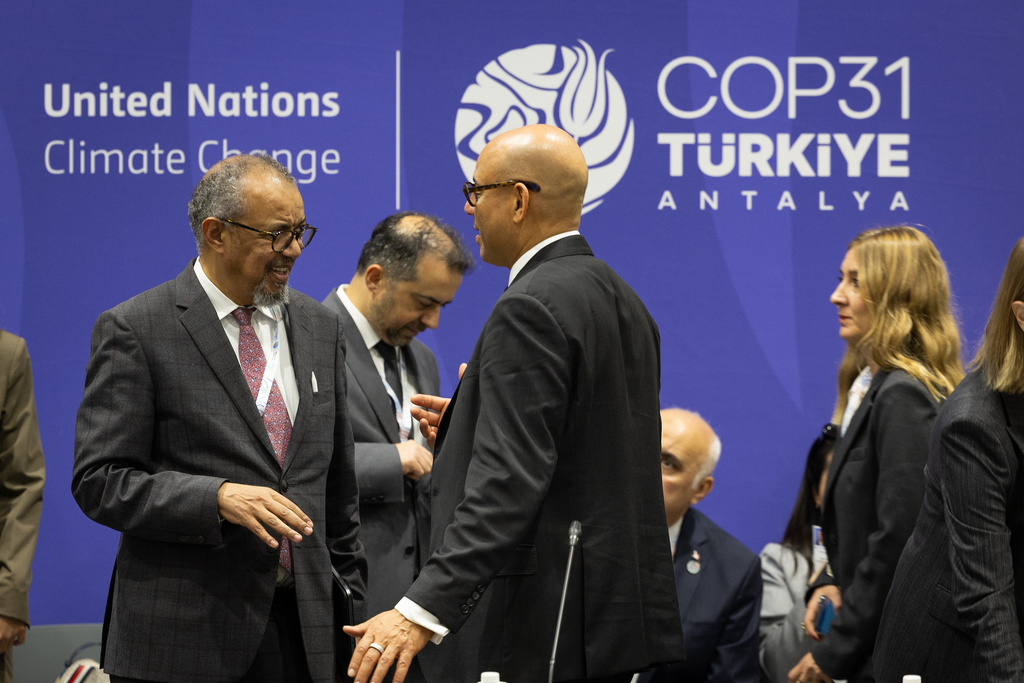
Addressing ministers and delegates during the Health Day Ministerial Roundtable at COP31 in Antalya, Türkiye, on November 9, 2026, UN Climate Change Executive Secretary Simon Stiell called for health to become central to climate action, warning that climate hazards are exposing vulnerabilities in healthcare infrastructure and service delivery.
“In these moments, climate change is not measured on a chart. It can be the difference between life and death,” he said.
His remarks underscored the need for governments to move beyond climate commitments and translate adaptation plans into practical interventions that protect hospitals, clinics, health workers and vulnerable populations.
Extreme heat exposes maternal and newborn health vulnerabilities
Among the emerging concerns highlighted by Stiell is the impact of extreme heat on pregnancy and childbirth, which he described as a new fault line in the climate crisis.
Referring to findings from a Wellcome study, he said almost every maternal-health professional surveyed across several countries had cared for a pregnant woman or baby whose health they believed had been affected by extreme heat.
The findings highlight the growing challenges facing maternal and newborn healthcare, particularly in communities where access to cooling facilities and adequate medical services remains limited.
Stiell’s observation that people cannot simply avoid heat exposure when suitable cooling facilities are unavailable highlights the inequalities shaping climate-related health risks.
“You can’t ‘stay cool’ when there is no cool place to go,” he said.
Beyond direct exposure, extreme weather can disrupt access to maternity services, compromise healthcare infrastructure and place additional pressure on already constrained health workers and facilities.
Healthcare infrastructure under growing climate pressure
Climate change also threatens the infrastructure and services on which healthcare delivery depends.
Stiell noted that climate hazards expose existing weaknesses in health systems, turning challenges such as electricity interruptions, staff shortages and long journeys to healthcare facilities into potentially life-threatening emergencies.
Hospitals and clinics require reliable electricity to operate essential equipment and preserve medicines. They also depend on clean water, sanitation, functioning transport networks and sufficient healthcare personnel.
When these systems are disrupted by floods, heatwaves and other climate-related events, patients risk losing access to treatment, while health workers face increasing difficulties responding to emergencies.
“Climate risk finds every vulnerability in a health system and widens it,” Stiell observed.
He challenged governments to ensure national adaptation plans address practical questions: Can clinics remain operational during heatwaves? Do they have safe water after floods? Can health workers identify disease outbreaks before they spread?
These considerations, he argued, should guide climate adaptation interventions.
Integrating health into national climate plans
A central part of Stiell’s message was the need to involve health ministries in climate planning from the outset.
He argued that national climate plans should reflect sectoral priorities, with health authorities participating in identifying vulnerabilities, setting priorities and monitoring progress. Health-sector plans should reinforce national adaptation strategies rather than operate independently.
Stiell pointed to progress made at COP30 in Belém, where countries received an initial set of adaptation indicators to track progress and a voluntary Health Action Plan to guide practical action.
At COP31, the priority should be translating these frameworks into interventions that strengthen healthcare facilities and protect vulnerable populations.
Proposed measures include climate-resilient hospitals powered by clean energy, reliable access to clean water, stronger disease surveillance and early-warning systems, and training health workers to respond to climate-related risks.
The objective is to ensure that climate adaptation produces tangible improvements in healthcare delivery rather than simply expanding policy frameworks.

Adaptation financing must reach vulnerable countries
Turning these priorities into functioning healthcare systems will require substantial financial resources.
Many countries facing significant climate risks have limited capacity to upgrade healthcare infrastructure, improve essential services and prepare for increasingly frequent climate-related emergencies.
Stiell called for adaptation financing to reflect the needs of vulnerable countries, referencing the COP30 call for efforts to at least triple adaptation finance by 2035.
He stressed that the commitment must translate into actual financial flows reaching countries carrying the heaviest climate burdens but possessing the fewest resources.
He also highlighted the Antalya Health Accelerator Initiative as an opportunity to bridge the gap between agreed plans and practical health protection by bringing leadership, cooperation and financing behind country priorities.
The initiative, he said, should work through national systems rather than create parallel structures.
Why mitigation is also a public health intervention
Even as governments strengthen healthcare systems against climate shocks, Stiell cautioned that adaptation alone cannot protect populations from the consequences of an increasingly warming world.
“No health system can be made resilient to an endlessly warming world,” he said.
He called for a faster and fairer transition away from fossil fuels, alongside efforts to triple renewable energy capacity and double energy efficiency.
Reliable clean electricity can help hospitals and clinics maintain essential operations, power medical equipment and preserve temperature-sensitive medicines. At the same time, reducing dependence on fossil fuels can improve air quality and lower exposure to harmful pollution.
“Reliable clean power keeps clinics running. But cleaner air keeps people out of them,” Stiell said.
The argument reinforces the importance of viewing the energy transition not only as a climate objective but also as an investment in healthier populations and more resilient healthcare systems.
From climate commitments to lives saved
As countries prepare for the next Global Stocktake, Stiell said the assessment should establish whether climate commitments have translated into measurable improvements in people’s lives.
Progress, he argued, should be reflected in stronger healthcare facilities, better-equipped health workers, functioning early-warning systems and fewer climate-related illnesses and deaths.
The challenge facing governments is therefore not simply to acknowledge the relationship between climate change and health, but to make it central to how climate policies are designed, financed and implemented.
As Stiell concluded, “Health is where climate policy becomes human reality.”
Ultimately, the test of climate action will be whether essential medicines remain safe, hospitals continue operating during extreme weather, outbreaks are detected early and vulnerable mothers and children receive the care they need.
Read Also: COP31: Africa Must Power Its Farms to Secure Food Sovereignty
Author Profile

- How can we learn if we don't question?
Latest entries
 COP3110 November 2026COP31: Health Must Become a Central Pillar of Climate Adaptation, Stiell Says
 Cities6 November 2026The Hidden Inequality Behind the World’s Urban Heat Crisis
 Floriculture3 November 2026aak-GROW, KFC Partner to Advance Sustainable Floriculture
 COP172 November 2026The Yerevan Roadmap: Turning Global Biodiversity Pledges into Action