The developing WMO warns a strengthening El Niño will bring hotter temperatures and shifting rainfall, increasing drought, flood and wildfire risks globally is expected to become a strong climate event in the coming months, bringing higher global temperatures and significant shifts in rainfall patterns, the World Meteorological Organization (WMO) has warned.
According to the WMO’s latest Global Seasonal Climate Update, El Niño is expected to continue strengthening during the August–October 2026 period, increasing the likelihood of above-normal temperatures across much of the world.
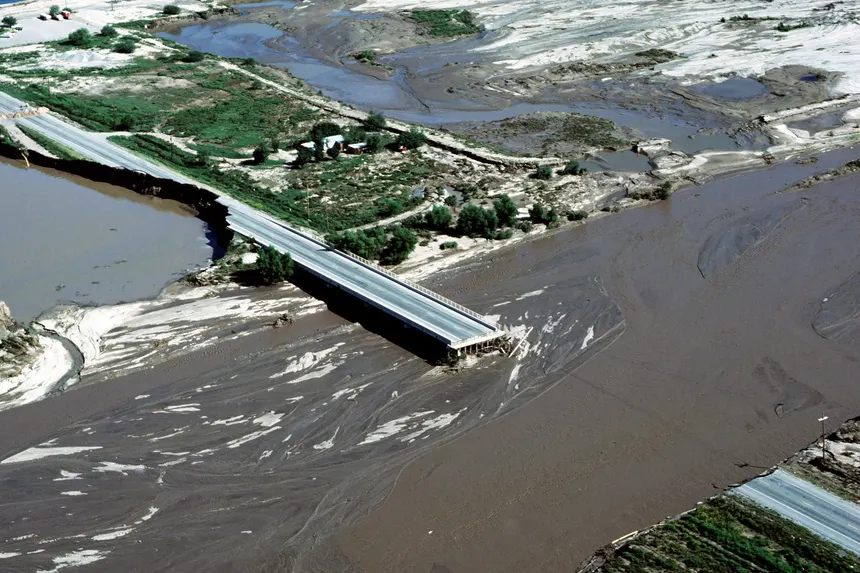
The climate agency says the phenomenon, combined with exceptionally warm oceans and the likely emergence of a positive Indian Ocean Dipole, could heighten the risk of droughts, floods and wildfires in many regions.
Forecasts from leading global climate centres indicate that sea surface temperature anomalies in the central and eastern equatorial Pacific are expected to exceed 2.9°C, signalling a strong El Niño event. At the same time, warmer-than-average tropical Atlantic waters are expected to further influence seasonal weather patterns.
UN Secretary-General António Guterres warned that the strengthening El Niño is unfolding against a backdrop of human-induced climate change.
“El Niño is not just on our doorstep – it is inside the house and turning up the heat. And this is only a warm-up act. El Niño is strengthening – adding fuel to a planet already on fire with scorching heat domes, apocalyptic wildfires and record hot seas,” he said.
Guterres added that continued reliance on fossil fuels is worsening the climate crisis.
“Fossil fuels are fanning the flames of this crisis. Expansion must stop. More coal, oil and gas will lead to a more combustible future. Unless we act – to protect people and tackle the root cause of the crisis – the dangers will become deadlier still.”
WMO Secretary-General Celeste Saulo said the forecasts provide governments with an opportunity to prepare before the impacts intensify.
“El Niño is one of the most closely monitored climate phenomena in the world. But forecasts in themselves do not prevent hazards; people do.
This El Niño, developing against the backdrop of unprecedented ocean heat and rising temperatures, provides governments and communities with a window of opportunity to anticipate risks and act before impacts unfold,” she said.
Saulo added that WMO and its member states are working to ensure that reliable climate information reaches those most vulnerable to climate-related hazards.
The seasonal outlook projects above-average temperatures across most land areas, with particularly strong warming expected over Africa, southern Europe, the Arabian Peninsula, the Indian subcontinent, eastern Asia, Central America, the Caribbean, southern Africa, much of South America and New Zealand.
Rainfall forecasts show a pattern typical of a strong El Niño event. Wetter-than-normal conditions are expected across the Greater Horn of Africa, parts of Central Asia, southern Europe, western North America and southeastern South America.
Meanwhile, drier-than-normal conditions are forecast for the Indian subcontinent, southern and eastern Australia, parts of Central America and the Caribbean, northwestern South America and northern Europe.
The WMO said it is strengthening coordination across the United Nations system and with humanitarian partners by providing seasonal climate outlooks, technical briefings and early warning support to help countries prepare for the expected impacts on agriculture, health, water resources and disaster risk management.
Read Also: Heavy Rains Return as Heat Persists across the Greater Horn of Africa
Author Profile

- How can we learn if we don't question?
Latest entries
 COP3115 October 2026Pacific Leaders Call for Urgent Climate Action Ahead of COP31
 Agriculture13 October 2026Can the buffalo fix Kenya’s milk problem? Farmers say start with the feed bill
 Events12 October 2026Cybersecurity in the Floriculture Industry
 Opinion & Analysis8 October 2026Why Africa Must Look to What Already Exists in Its Blue Economy