With only about 10% of the ocean designated for protection and 3.5% assessed as effectively protected, a global survey is urging governments to turn their 30×30 biodiversity commitments into action.
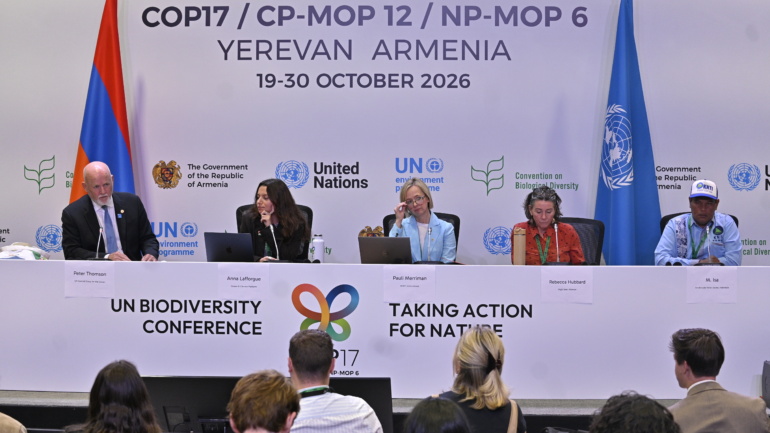
As world leaders gather in Armenia for the Leaders Summit ahead of the 17th Conference of the Parties to the Convention on Biological Diversity (COP17), a growing gap between global ocean conservation commitments and action is drawing renewed attention.
The target, commonly known as 30×30, is part of the Kunming-Montreal Global Biodiversity Framework adopted in 2022. It seeks to halt and reverse biodiversity loss through a range of conservation measures, including protecting land and marine ecosystems.
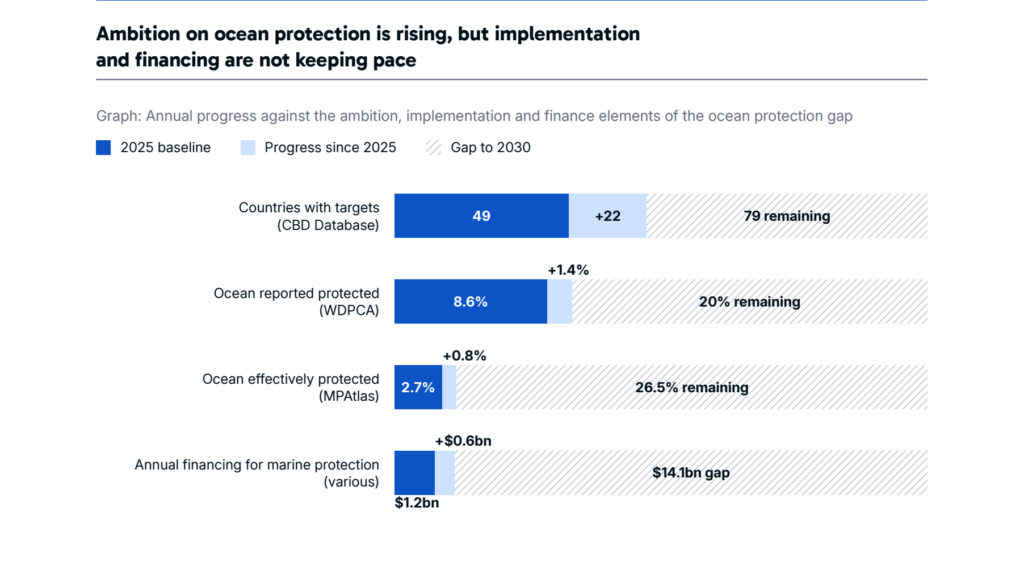
However, progress in ocean conservation remains far behind the ambition.
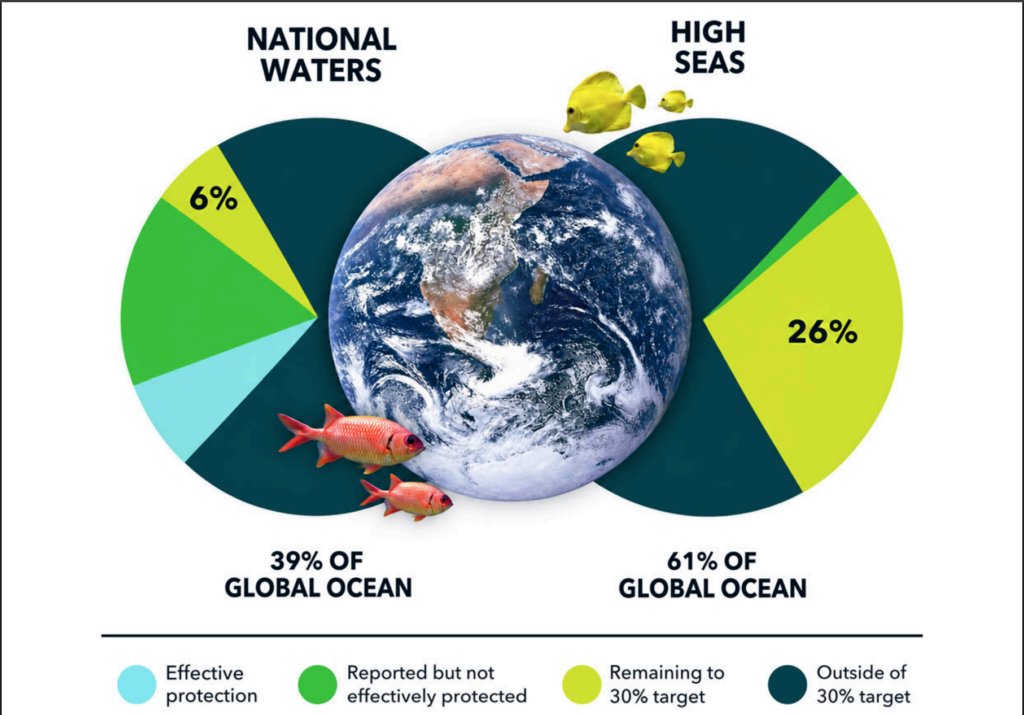
According to the survey announcement, around 10% of the ocean is currently designated as protected or conserved. Existing national commitments would increase that figure to only 12% by 2030, while just 3.5% of the ocean is assessed as effectively protected.
The figures point to a critical distinction in conservation: designating an area as protected does not necessarily mean marine life and habitats are receiving the protection they need.
Civil society organisations warn that implementation remains insufficient and uneven, raising concerns that governments could miss the 2030 target without a significant increase in the scale and pace of action.
The public appears increasingly concerned about that possibility. Beyond the 79% who want governments to act faster, 95% of respondents say it is important that designated conservation areas are effectively managed rather than protected in name only. More than half, 59%, say their trust in governments would be undermined if these areas failed to deliver meaningful protection.
For governments, the findings suggest that public confidence will depend not simply on announcing new conservation areas but on demonstrating that those commitments produce measurable results.
The demand for faster action cuts across regions. In Brazil and Indonesia, 90% of respondents said governments need to accelerate ocean protection. The figure stood at 87% in Argentina, 85% in India, 81% in Nigeria and 81% in France.
The results point to widespread expectations for stronger government action across Latin America, Asia, Africa and Europe, placing ocean conservation firmly within the wider debate over how countries will meet their biodiversity commitments.
How can Protection Work for Nature and People
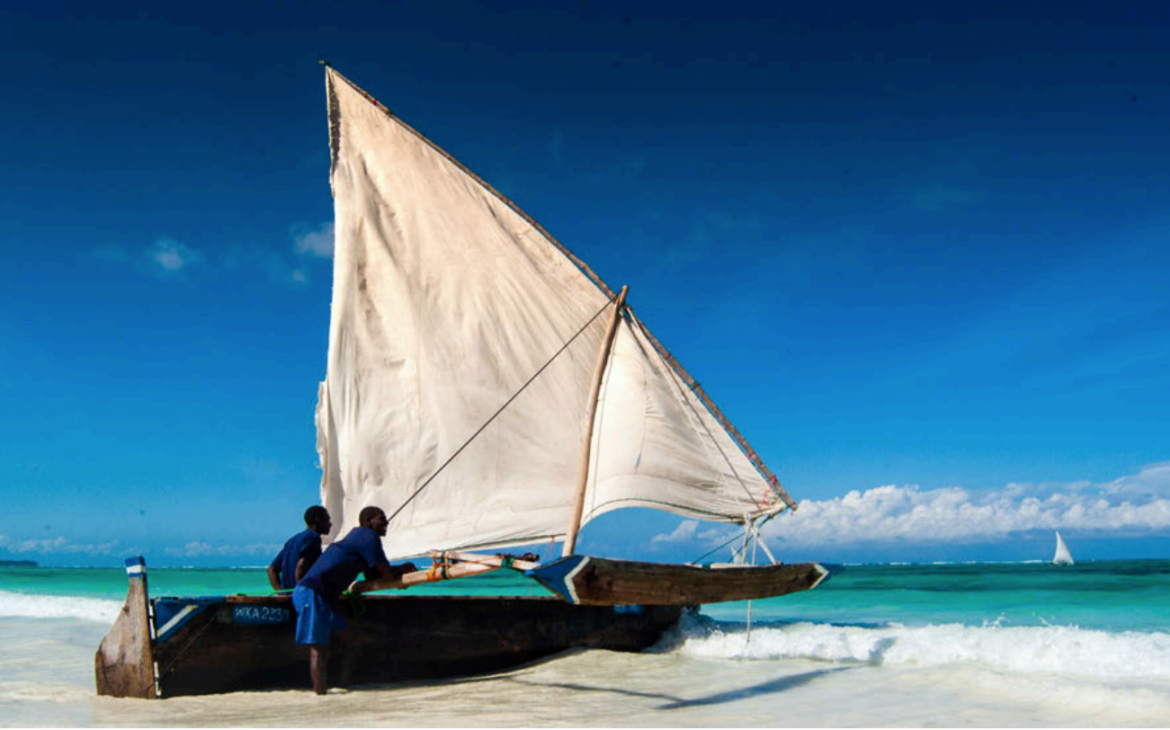
For communities whose livelihoods, food systems and cultures depend on healthy marine ecosystems, the ocean protection gap is not simply a question of meeting an international target. It is also about sustaining the natural systems that support everyday life.
The civil society coalition argues that effective conservation must deliver tangible benefits for both biodiversity and the people who depend on it.
“A protected or conserved area should have real protection; protection that delivers the intended outcomes for nature and the people whose lives and livelihoods depend on a healthy ocean,” the signatories state.
These priorities reflect a broader challenge facing global biodiversity efforts: conservation targets cannot be judged by the area covered on paper alone. Their success also depends on governance, adequate resources and the participation of people living alongside the ecosystems being protected.
Dr Kathryn Matthews, Chief Scientist at Oceana, says governments have not kept pace with their own commitments.
“We’ve only protected a small fraction of the ocean on paper, and an even smaller fraction in practice,” Matthews said.
She argues that political will, local leadership and science-based planning can help create conditions in which marine biodiversity recovers while coastal communities benefit. But achieving that outcome requires more than ambitious declarations, including equitable governance, restrictions on destructive fishing and effective enforcement.
The urgency is particularly evident for Indigenous Peoples and communities across the Pacific, where the ocean is closely tied to identity, history and livelihoods.
Brianna Fruean, a climate activist from Samoa and Together for the Ocean ambassador, says communities across the region are already leading marine protection and ecosystem restoration efforts, drawing on generations of Indigenous knowledge.
“For us in the Pacific, the ocean is more than something we depend on. It connects us, carries our histories and is woven into who we are,” Fruean said.
She warned that community action alone cannot close the gap between international promises and what happens in the water. With only four years remaining before the 2030 deadline, she called for governments to provide the political commitment, resources and action needed to support local conservation efforts.
The call for inclusive governance also extends to women, who play significant roles in ocean protection but are often excluded from decisions and resources.
Cristina Tebar Less, Policy Director at She Changes Ocean, says governments must place women’s rights, participation and leadership at the centre of marine conservation, alongside equitable access to finance and resources. She links this to Target 23 of the Global Biodiversity Framework, which addresses gender equality and a gender-responsive approach to biodiversity action.
For Karl Deering, Senior Director for Resilient Futures at CARE USA, the stakes extend well beyond the conservation sector.
“For millions of people, the ocean is food and nutrition, income, security and the foundation of life,” Deering said.
He warned that declining marine ecosystems disproportionately affect communities already experiencing poverty, inequality and climate impacts. He called on governments to accelerate the 30×30 target while ensuring that ocean-dependent communities have the opportunity and resources to shape conservation decisions.
The message is clear: effective ocean protection requires both ecological outcomes and social inclusion. Without meaningful participation, conservation efforts risk overlooking the needs and knowledge of the people most directly affected by changes in marine ecosystems.
Ocean Protection as a Climate Imperative
The biodiversity challenge is closely connected to the climate crisis, with ocean ecosystems playing a central role in regulating the global climate and supporting ecological resilience.
Gauthier Carle, Executive Director of the Ocean & Climate Platform, says the ocean absorbs substantial amounts of heat and carbon dioxide but is increasingly threatened by warming, acidification and deoxygenation.
“The climate and biodiversity crises are deeply interconnected, and we cannot afford to tackle them in isolation,” Carle said.
He called for effective ocean protection to advance alongside ambitious emissions reductions and increased investment, arguing that conservation efforts must address the interconnected pressures facing marine ecosystems.
Callum Roberts, Professor of Marine Conservation at the University of Exeter, points to decades of scientific research showing that effectively protected marine ecosystems can recover when destructive activities are removed, and habitats are given room to regenerate.
Yet, with only 3.5% of the ocean assessed as effectively protected, he says the challenge is translating existing scientific evidence and international commitments into action at the scale required.
The forthcoming biodiversity review offers governments an opportunity to confront that implementation gap.
COP17 is preparing to undertake the first global review of progress under the Kunming-Montreal Global Biodiversity Framework, providing a platform for countries to assess what has been achieved and where stronger action is needed.
The survey found that 80% of respondents believe governments at COP17 should agree on actions to accelerate ocean conservation before 2030.
For youth advocates, the deadline carries particular significance. Surasma Lamichhane, High Seas Youth Ambassador at EarthEcho International, says younger generations will inherit the consequences of governments’ decisions today.
Young people are already participating in marine conservation and restoration, she said, but cannot carry the responsibility alone. Governments must address the protection gap and deliver on the commitments they have made.
The immediate challenge is not only to designate more protected areas, but to ensure that existing and future conservation areas are adequately financed, effectively managed and inclusive of the communities whose lives depend on healthy marine ecosystems.
With the 2030 deadline approaching, the survey offers a measure of public expectation. Whether governments respond with stronger enforcement, inclusive governance and resources for implementation will determine whether the 30×30 commitment becomes a meaningful conservation achievement or another global target that falls short.
Author Profile

-
Seeker.
Inspire AFRIKA.
Latest entries
 Biodiversity27 October 2026COP17 Puts Ocean Protection in Focus, but Delivery Remains Uncertain
 Biodiversity26 October 2026Beyond Biodiversity Finance, A Justice Gap Governments Must Confront
 Biodiversity24 October 2026Faith Leaders and Civil Society Call for Stronger Partnerships to Restore Nature
 Biodiversity23 October 2026Inside Kobe’s Grassroots Effort to Train the Next Generation of Biodiversity Leaders