
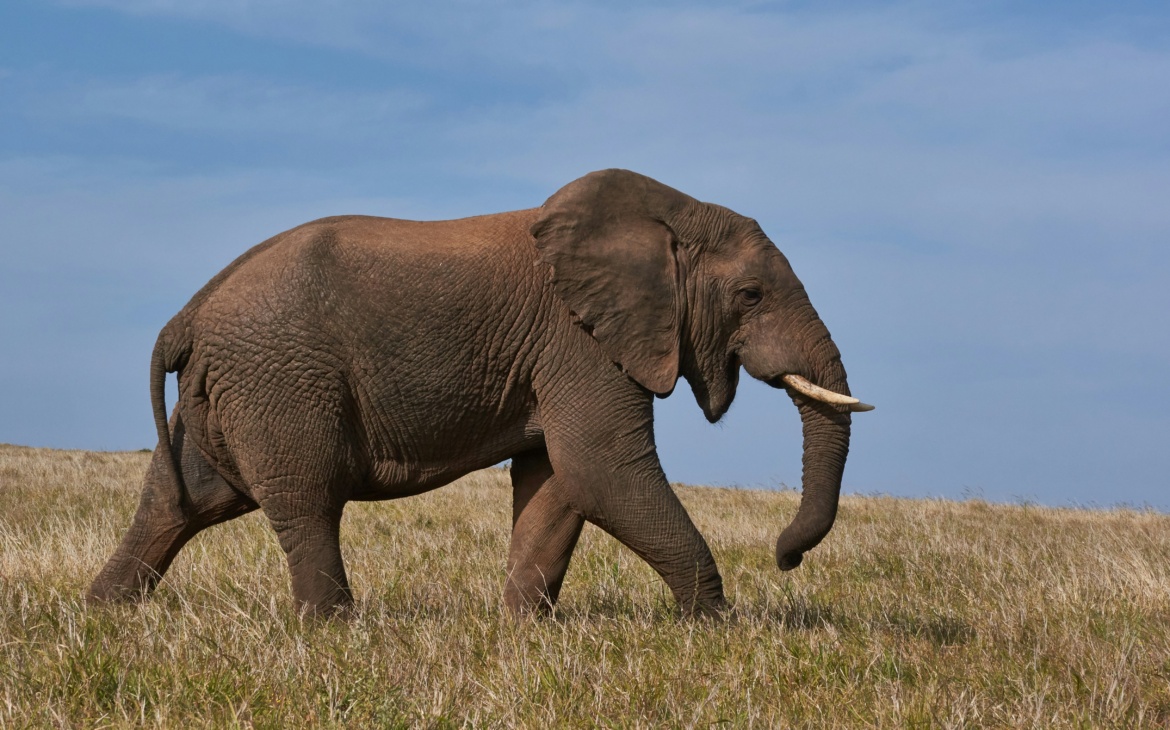
An elephant crossing from a national park into community land does not cross into a different biological reality.
Although it can enter a different administrative system, encounter a different government agency and become subject to a different reporting requirement.
At the international level, the same animal can simultaneously be relevant to the Convention on International Trade in Endangered Species of Wild Fauna and Flora (CITES), the Convention on Biological Diversity (CBD) and the Convention on Migratory Species (CMS).
The elephant remains the same. The institutions often do not. That fragmentation is emerging as an important governance challenge as African countries face growing demands to produce reliable biodiversity data for multiple international agreements.
In a side event during the SBSTTA28 and SBI7 in preparation for the COP17 in Armenia later in the year, Prof. Patience Gandiwa, who works across several multilateral environmental agreements and chairs the Africa Group of Negotiators for Wildlife, put the problem simply during a recent discussion on elephant monitoring.
“It’s the same elephant when we are monitoring illegal killing of elephants,” Gandiwa said. “It’s the same elephant that is part of our biodiversity under the CBD. It’s the same elephant that we have classified to say it’s endangered under CITES. It’s the same elephant that we have labeled, that it’s a migratory species.”
“This is the same elephant that we are talking about.” Her argument is not that Africa needs to abandon its different environmental agreements. It is that the information generated under them should be able to work together.
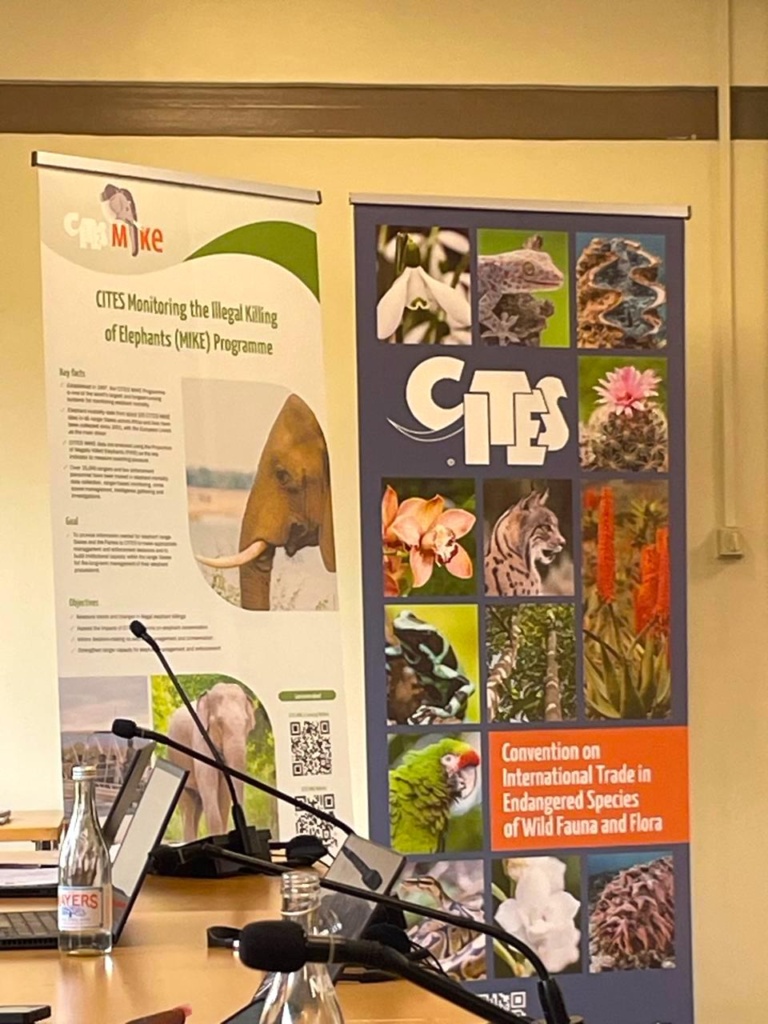
The CITES Monitoring the Illegal Killing of Elephants (MIKE) programme offers one example. Established as a long-term system for monitoring illegal elephant killings, MIKE has developed standardised approaches for collecting and analysing mortality data across participating sites.
Its infrastructure has evolved to include standardised training, data collection and an online database supporting the submission and management of information. For Gandiwa, that creates an opportunity to make elephant monitoring useful beyond its original purpose.
“There is already some data interoperability designed under the CITES MIKE program,” she said, arguing that such systems could provide information capable of feeding multiple international biodiversity commitments.
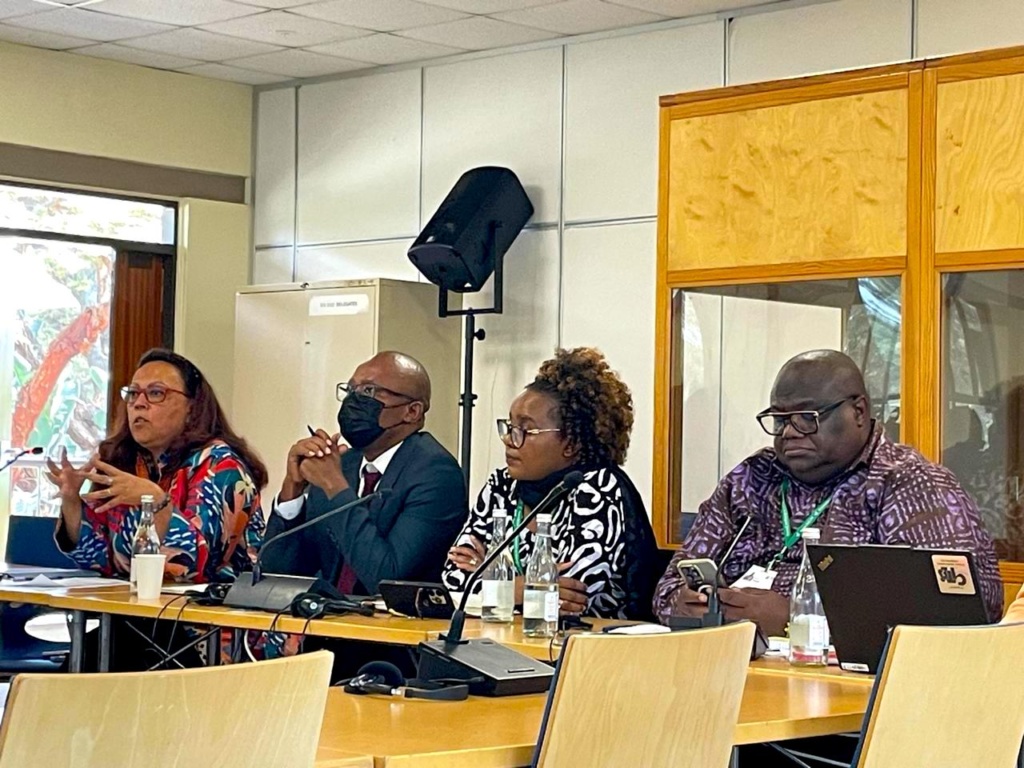
The argument comes at a time when countries are under increasing pressure to strengthen their biodiversity monitoring.
The Kunming-Montreal Global Biodiversity Framework, adopted at CBD COP15 in 2022, contains 23 global targets for 2030. Target 21 specifically calls for the best available biodiversity data, information and knowledge to be accessible to decision-makers, practitioners and the public.
For elephants, other parts of the framework are also relevant.
Target 4 addresses species recovery and human-wildlife conflict, while Target 1 focuses on biodiversity-inclusive spatial planning and Target 3 on effectively conserved and connected areas.
Taken together, these commitments require countries to know considerably more than how many animals they have.
They need to understand where species occur, how they move, what pressures they face and how those pressures are changing.
That is where an animal such as the elephant becomes particularly useful.
“Elephants tell us actually where the ecological boundaries are,” Gandiwa said.
Those boundaries do not necessarily correspond with protected-area boundaries, county borders or national frontiers.
An elephant moving between protected areas and community land can reveal ecological connections that administrative maps may overlook.
For Gandiwa, this makes MIKE more than a mechanism for measuring illegal killing. It is part of a broader opportunity to strengthen national reporting and connect biodiversity information across international agreements. But creating that connection requires changes inside countries as well.
Adriana Rivera of UNEP approaches the issue from the perspective of governments developing national biodiversity strategies and monitoring plans.
Her experience has revealed a recurring problem: countries do not necessarily need more indicators or another standalone reporting system.
“One of the lessons that we have learned from all work with the countries is basically that they do not need more indicators or discuss more goals,” Rivera said.
“What they need is to strengthen monitoring systems that serve multiple purposes.” The distinction matters.
A country can have one system supporting CITES reporting, another supporting CMS and another for CBD obligations, yet still lack a coherent national picture of what is happening to its biodiversity.
That creates duplication for already stretched institutions and can make it harder for policymakers to see how different environmental pressures are connected.
Rivera said effective monitoring systems require more than technology.
They need a clear institutional mandate, coordination between agencies, standardised methodologies, digital platforms and trained personnel capable not only of collecting information but also of analysing it and translating it into policy.
The gap between planning and implementation, however, remains significant.
“Most of the monitoring systems are just a plan; they are not being implemented,” Rivera said. “There are a few programs like MIKE working, but not an integrated monitoring system.”
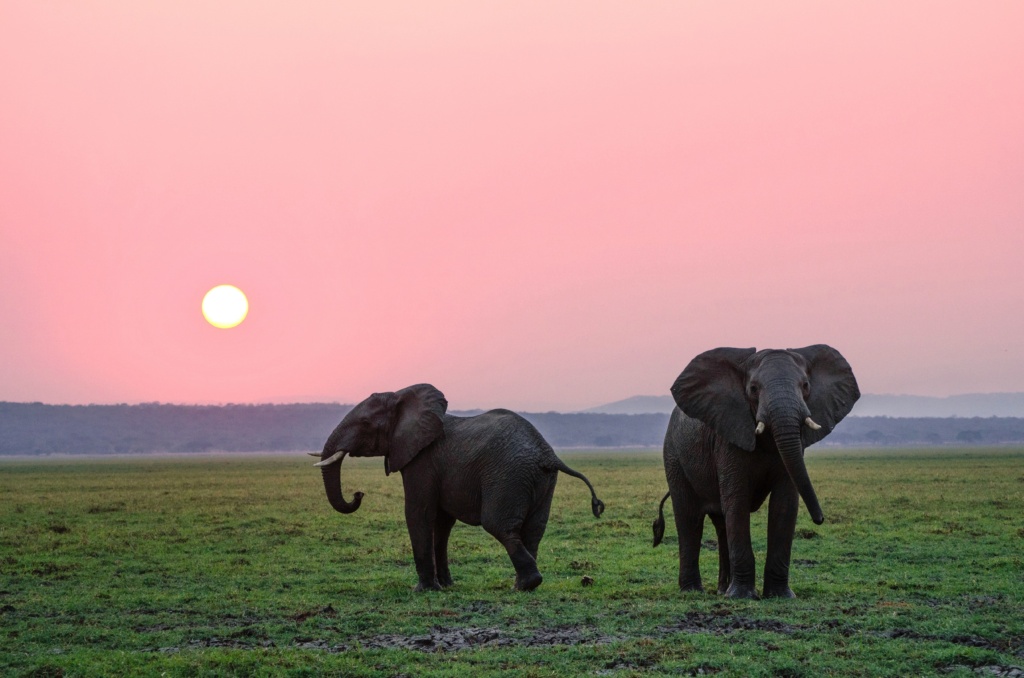
The problem is not more data, but connected data
That makes MIKE an important case study in what an integrated approach could look like.
Its standardised data infrastructure demonstrates that countries can collect information using common methodologies across borders.
The next challenge is to move from individual programmes to national biodiversity information systems capable of serving multiple policy needs.
That is particularly important as countries implement the Global Biodiversity Framework.
The framework does not simply ask governments to produce plans. It requires them to monitor progress and make the evidence available to decision-makers.
Without integrated national systems, countries risk creating another layer of reporting rather than improving the information available for actual decisions.
Southern Africa offers another example of what regional coordination can look like.
Gandiwa pointed to the SADC Law Enforcement and Anti-Poaching framework and its regional coordination mechanisms as evidence of how countries can cooperate around transboundary wildlife crime.
The Southern African Development Community’s revised Law Enforcement and Anti-Poaching Strategy for 2022–2032 treats wildlife crime as a regional challenge connected to biodiversity, security and socio-economic development.
Such cooperation does not eliminate national institutions.
Instead, it creates mechanisms through which national information, enforcement and policy can be connected across borders.
That distinction is particularly important for elephants.
Their ranges can cross protected areas, community lands and national boundaries, while the threats they face, from illegal killing and trafficking to habitat fragmentation and conflict with people, rarely stop at an administrative border.
A fragmented institutional response can therefore leave gaps precisely where the animal is moving. But integration has one final obstacle: permanence.
A system designed to serve several conventions cannot function effectively if it disappears when a particular grant ends.
Gandiwa warned that MIKE and similar programmes need to become long-term institutions rather than donor-dependent initiatives.
That concern is reflected in CITES’ own acknowledgement of MIKE’s reliance on donor support, with the European Union among its major funders since implementation began in Africa in 2001.
The financing question is therefore inseparable from the governance question.
If governments increasingly depend on biodiversity data to meet international commitments and guide national decisions, the systems producing that information cannot remain permanently dependent on external project funding.
Otherwise, countries risk building sophisticated reporting structures that are vulnerable to disappearing when financing priorities change.
The answer is unlikely to be another reporting mechanism.
It is more likely to be better coordination of the mechanisms already in place, and greater national ownership of the data systems behind them.
Africa does not necessarily need one treaty, one institution or one database to manage its biodiversity. But it does need systems capable of allowing information collected for one purpose to inform several others.
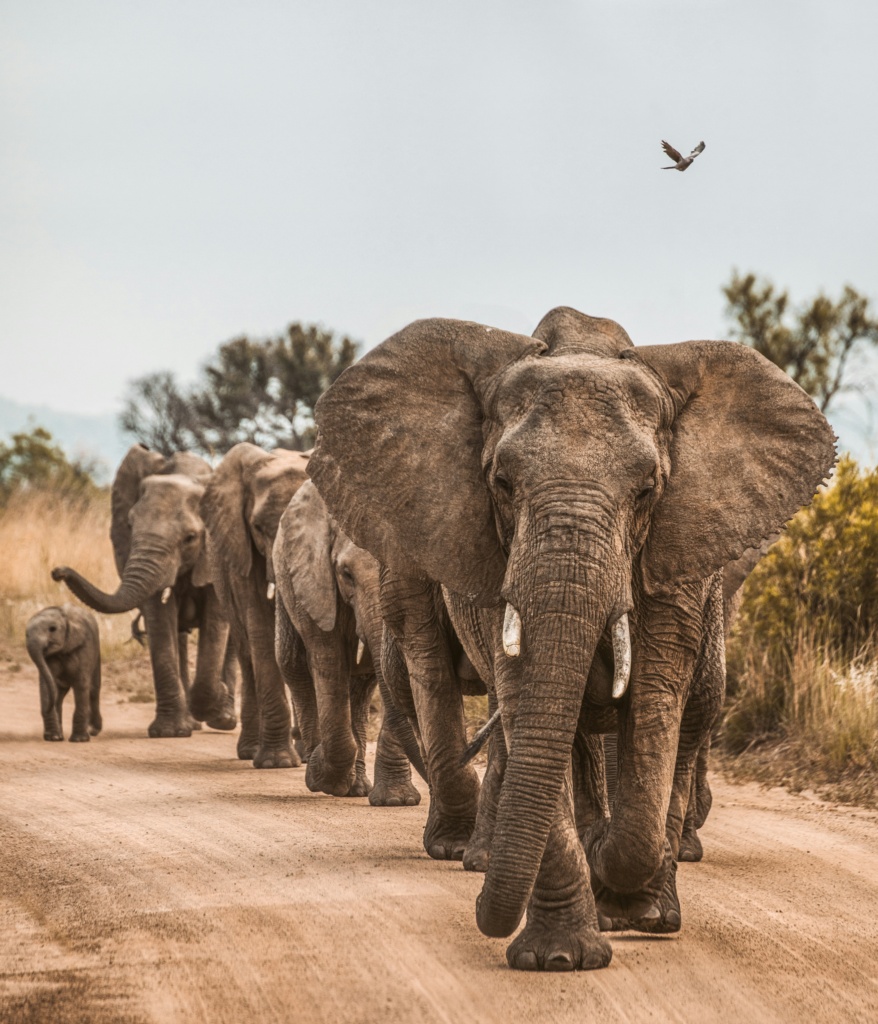
The elephant provides a useful test.
It is simultaneously a threatened species, a migratory animal, a keystone species, a subject of international trade regulation and, increasingly, part of a human-wildlife coexistence challenge.
The systems monitoring it need to reflect that complexity. The elephant is already moving across borders. Now the data systems following it must learn to move with it.


