
Türkiye is preparing to preside over COP31 at a moment when its own energy transition faces a growing contradiction: renewable energy is expanding rapidly, yet coal and fossil gas remain central to the country’s power strategy.
A new analysis by the Climate Action Tracker (CAT) says Türkiye has significant potential to replace fossil fuels with renewable energy, but continues to invest in fossil-fuel exploration and production even as electricity demand rises.
The assessment comes as climate policymakers and experts prepare to gather in New York, where Türkiye’s proposed “35 x 35” target, achieving 35% electrification by 2035, is expected to feature prominently in discussions around the country’s COP31 agenda.
Türkiye’s electrification rate remained around 21% between 2013 and 2023, while official projections indicate it could reach only about 25% by 2035 under current trajectories. Reaching the 35% target would therefore require significant policy changes to accelerate electrification and ensure that the additional electricity comes increasingly from clean sources.
CAT says faster electrification will need to be accompanied by a rapid expansion of renewable energy and a clear plan for moving away from fossil fuels.
The organisation’s analysis finds that Türkiye currently has no fossil-fuel phase-out plan, while continuing to support oil, coal and fossil-gas exploration and production. The energy sector is the country’s largest source of emissions, while electricity demand continues to rise.
Alongside its continued reliance on coal, Türkiye is also seeking to strengthen its position as a regional fossil-gas hub.
“Türkiye’s climate plans state fossil fuels will remain central to its energy mix until cheaper alternatives emerge. So by its own logic, it should be making the shift away from fossil fuels, given solar power is the country’s lowest-cost source of electricity and substantially undercuts domestic coal,” said Bill Hare, CEO of CAT partner organisation Climate Analytics.
“While it has made good strides in setting up the right policy framework for renewables, it is still very much focused on fossil fuels as being central to its energy future.”
Coal remains central as renewables expand
The country’s continued dependence on coal provides one of the clearest indicators of the challenge ahead.
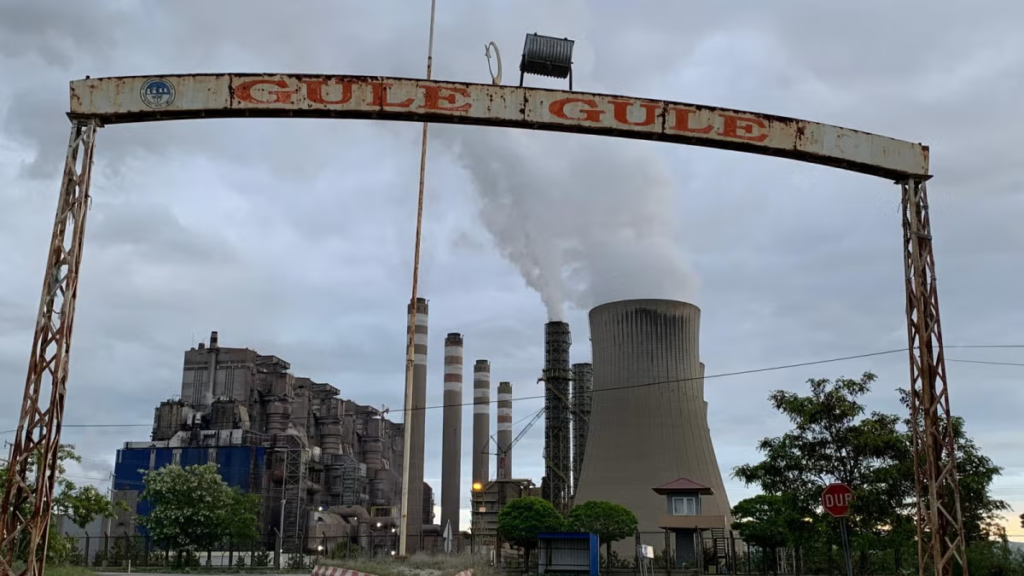
According to CAT, Türkiye overtook Germany in 2024 to become Europe’s largest producer of coal-fired electricity. Although the country has added no new coal-fired capacity over the past two years, the government continues to support the sector through subsidies and long-term coal purchase agreements between public and private entities.
Existing coal fields are being expanded, new ones are being opened, and policies aimed at maintaining or increasing coal production remain in place, according to the analysis.
CAT says Türkiye could change this trajectory by committing to a coal phase-out that includes a just transition for affected workers, abandoning plans to develop an oil and fossil-gas hub, and accelerating renewable-energy deployment.
“Türkiye has put the right policies in place for renewables, and ahead of COP31 the government could demonstrate leadership as COP31 president by building on its recent successes in increasing its renewable energy capacity and announcing targets and plans to phase out coal and gas ahead of the COP,” said Dr Niklas Höhne of CAT partner organisation NewClimate Institute.
The assessment presents a picture that is more complicated than a simple fossil-fuel versus renewable-energy divide.
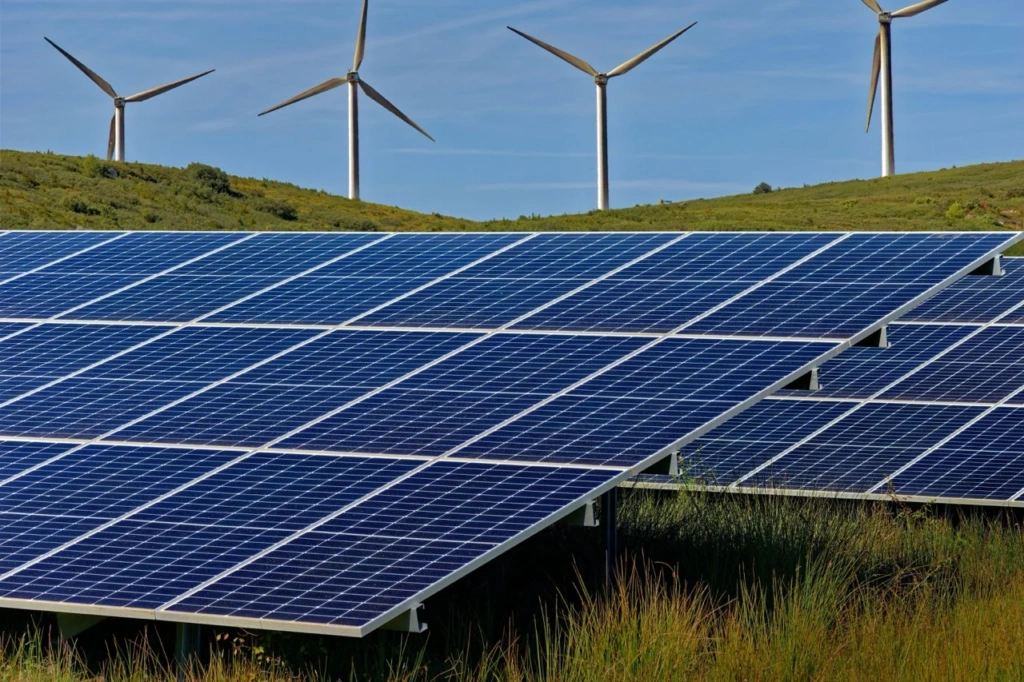
Türkiye has made significant progress in developing the industrial infrastructure that can support a cleaner power system. Its shift towards renewables has helped establish domestic manufacturing of key components for wind installations, including towers, blades, generators and gearboxes, with a significant share of the equipment exported to European markets.
The country is also moving rapidly into grid-scale battery storage, a development that could help it integrate larger volumes of variable renewable energy into the electricity system.
The electric-vehicle market is expanding as well. In 2025, Türkiye’s government-backed and domestically manufactured Togg became the country’s best-selling EV brand, surpassing Tesla and BYD. Overall electric-vehicle sales more than doubled, reaching 19% of the country’s total vehicle market in the first half of 2026.
These developments point to an energy system with growing renewable-energy and clean-technology capabilities. The challenge, according to CAT’s assessment, is whether this momentum can translate into a broader decline in fossil-fuel use and economy-wide emissions.
CAT rates Türkiye’s climate action ‘critically insufficient’
In its latest full country assessment, CAT continues to rate Türkiye’s overall climate action as “Critically insufficient.“
CAT says Türkiye is on course to meet its existing 2030 and 2035 climate targets under current policies, but its emissions are still projected to rise through 2035. The organisation says emissions projections have been revised upwards compared with its previous assessment a year earlier.
Despite a strengthened renewable-energy target, CAT says Türkiye remains off-track from a 1.5°C-compatible emissions pathway, which would require emissions to begin declining immediately.
The assessment also points to the need for stronger renewable-energy capacity targets, more ambitious 2030 and 2035 nationally determined contributions (NDCs), and a clearer long-term strategy for achieving Türkiye’s 2053 net-zero goal.
For Türkiye, the issue therefore extends beyond its domestic energy policy.

As COP31 president, the country will occupy a prominent position in global climate diplomacy at a time when governments are under growing pressure to turn renewable-energy growth into actual reductions in fossil-fuel dependence and emissions.
Türkiye’s own experience offers both sides of that challenge. Its expanding wind and solar capacity, domestic clean-energy manufacturing, battery development and growing EV market show that the foundations for a broader energy transition are emerging. At the same time, continued coal production, fossil-gas ambitions and rising emissions highlight the gap between expanding clean-energy capacity and transforming the wider power system.
The question for its COP31 presidency will be whether Türkiye can build on its renewable-energy gains and translate them into a wider shift away from fossil fuels, while encouraging other countries to accelerate implementation of their own climate commitments.
Also READ: https://climate.co.ke/oil-wont-save-africa-inside-the-push-for-a-just-energy-transition/
Author Profile

-
Seeker.
Inspire AFRIKA.
Latest entries
 Corporate15 October 2026Water, Sanitation and Digital Learning at the Centre of Garissa School Upgrade
 Agriculture14 October 2026Africa’s Food Systems Future Depends on Listening to Farmers
 Weather Forecasts13 October 2026Rain and Rising Temperatures Forecast Across the Greater Horn of Africa
 Climate9 October 2026Beyond Negotiations: Africa Expects Concrete Outcomes from Antalya


