
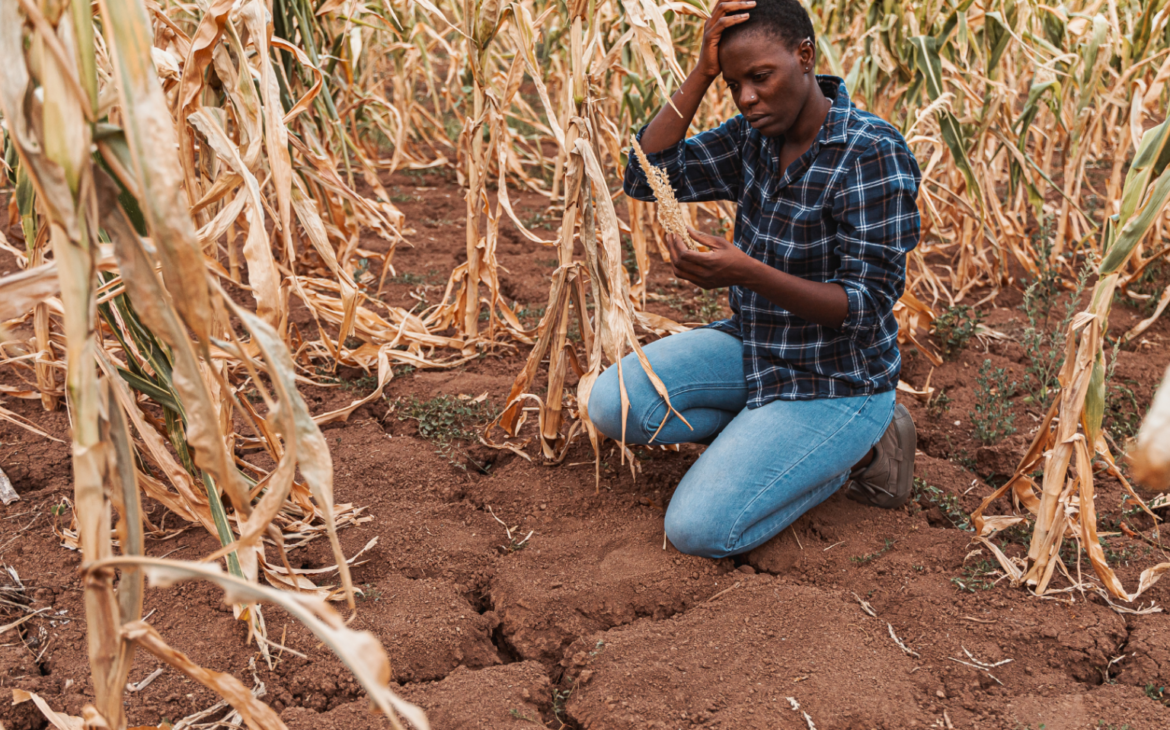
Agricultural workers and agrifood systems are on the frontlines of climate change, as extreme heat events increasingly threaten the livelihoods, health, and labor productivity of over a billion people worldwide.
But beyond being a seasonal hazard, extreme heat is fast emerging as a structural constraint, reshaping when, where, and how food can be produced.
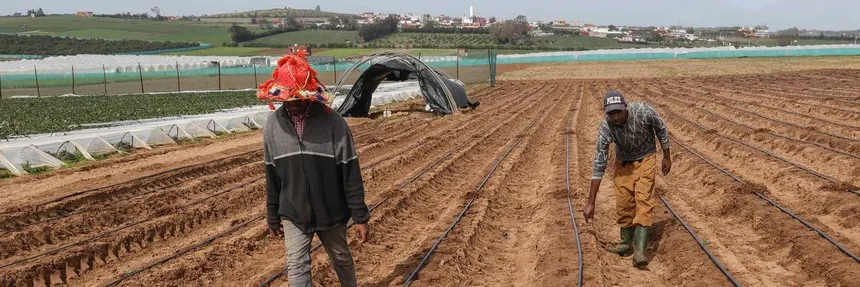
According to a new report from the Food and Agriculture Organization of the United Nations and the World Meteorological Organization, Extreme heat and agriculture, the frequency, intensity, and duration of extreme heat events have risen sharply over the past half-century, with risks to agrifood systems and ecosystems set to intensify further in the coming decades.
“This work highlights how extreme heat is a major risk multiplier, exerting mounting pressure on crops, livestock, fisheries and forests, and on the communities and economies that depend upon them,” said Qu Dongyu.
Emphasizing the systemic nature of the threat, Celeste Saulo noted that extreme heat now defines the operating conditions of modern agriculture.
“More than simply an isolated climatic hazard, it acts as a compounding risk factor that magnifies existing weaknesses across agricultural systems. Early warnings and climate services like seasonal outlooks are vital to help us adapt to the new reality,” she said.
A System Under Heat Stress
Released on Earth Day (22 April), the report highlights the deep interconnections between climate change, food security, agrifood systems, and ecosystem health. Its central finding is clear: the impacts of extreme heat are not uniform; they depend heavily on timing, geography, and system vulnerability.
Across biological systems, thresholds are already being crossed.
For the most common livestock species, heat stress begins at temperatures above 25 °C, with chickens and pigs affected at even lower thresholds due to their limited ability to regulate body temperature. Prolonged exposure reduces feed intake, slows growth, and lowers productivity.
In marine ecosystems, the risks are equally severe. Fish can suffer cardiac failure as they struggle to maintain elevated respiration rates in warming waters, where extreme heat events reduce dissolved oxygen levels.
According to the WMO’s State of the Global Climate 2025 report, more than 90 percent of the global ocean experienced at least one marine heatwave in 2025.
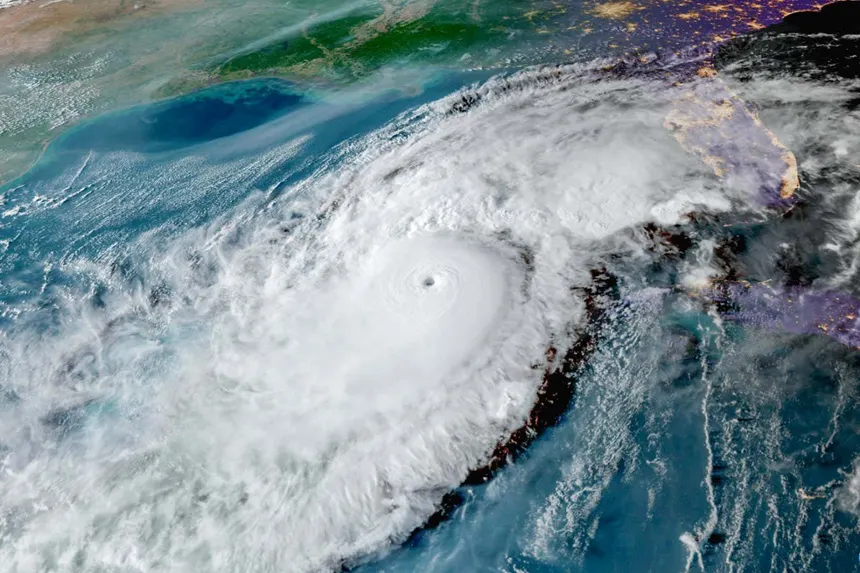
Crop systems are also approaching critical limits. For most major crops, yield declines begin above 30 °C, with even lower thresholds for temperature-sensitive crops such as potatoes and barley.
At the same time, rising temperatures are strongly linked to longer and more intense wildfire seasons, compounding risks across agricultural landscapes.
When It Becomes Too Hot to Work
Beyond crops and livestock, extreme heat is placing mounting pressure on the human backbone of agriculture: its workers.
The report warns that the number of days each year when it is simply too hot to work could rise to as many as 250 in parts of South Asia, tropical Sub-Saharan Africa, and Central and South America.
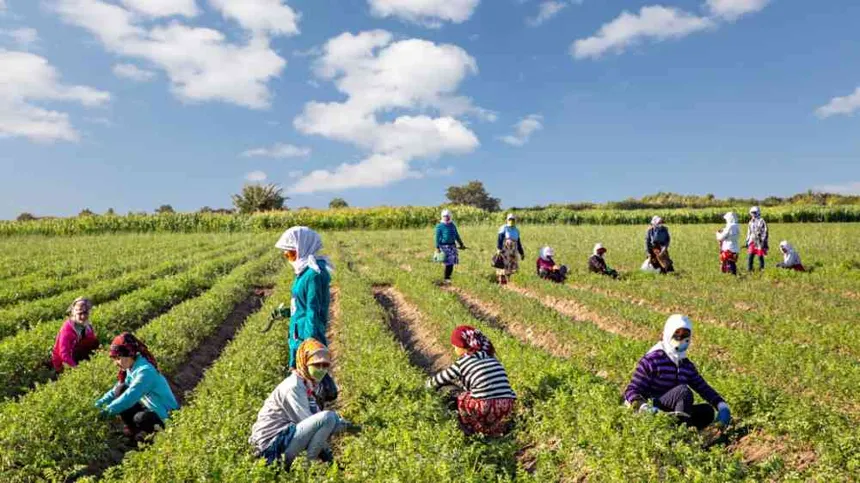
This represents not just a health risk, but a direct threat to productivity, incomes, and food supply chains.
The full danger of extreme heat lies not only in its direct impacts but also in its role as a risk multiplier, intensifying water stress, triggering flash droughts, increasing wildfire risk, and creating favorable conditions for the spread of pests and diseases.
Adapting to a Hotter Reality
In response, the report underscores the urgent need for innovation and adaptation across agrifood systems.
Recommended measures include selective breeding of heat-tolerant crops and livestock, adjusting planting calendars, and adopting management practices that help shield agricultural activities from rising temperatures.
These interventions, while technical, are becoming essential tools for sustaining productivity under changing climatic conditions.
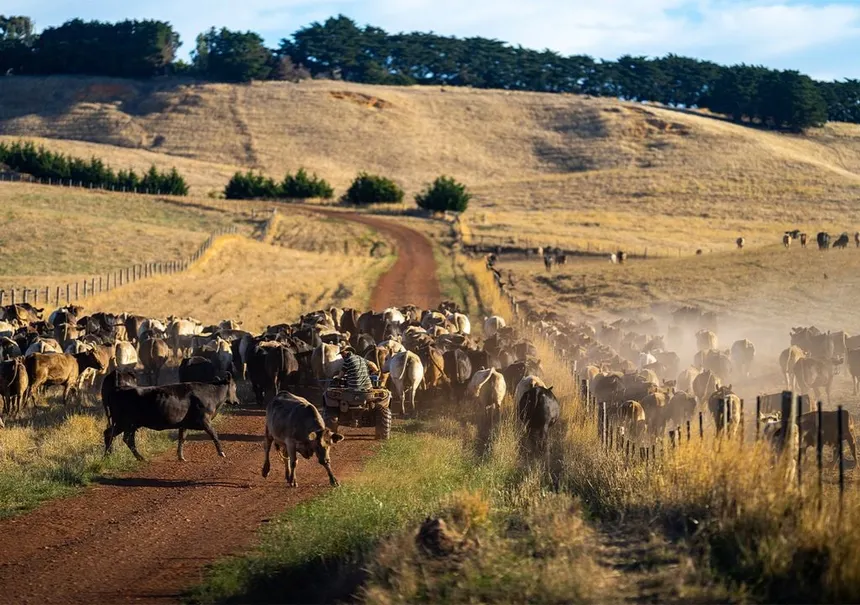
Early warning systems are highlighted as particularly critical, enabling farmers to anticipate and respond to extreme heat events before losses escalate. Climate services, including seasonal forecasts, are increasingly central to decision-making in agriculture.
Equally important is the role of financial and institutional support. Access to insurance, cash transfers, and shock-responsive social protection systems underpins the capacity of farmers and workers to adapt and recover.
A Defining Challenge for Food Security
Ultimately, the report frames extreme heat not as a future risk, but as a present and accelerating force reshaping global food systems.
“Protecting the future of agriculture and ensuring global food security will require not only building on-farm resilience but also exercising international solidarity and collective political will for risk sharing, and a decisive transition away from a high-emissions future,” the report states.
As heat thresholds are crossed with increasing frequency, the challenge is no longer simply about improving yields; it is about preserving the very conditions under which agriculture can function.
You can read the Report Here
Read Also: Intensive Animal Agriculture’s Growing Strain on Global Water Resources
Author Profile

- How can we learn if we don't question?
Latest entries
 COP3115 October 2026Pacific Leaders Call for Urgent Climate Action Ahead of COP31
 Agriculture13 October 2026Can the buffalo fix Kenya’s milk problem? Farmers say start with the feed bill
 Events12 October 2026Cybersecurity in the Floriculture Industry
 Opinion & Analysis8 October 2026Why Africa Must Look to What Already Exists in Its Blue Economy


