The rapid industrialization in Africa in recent decades has significantly increased the demand for energy across all sectors of the economy. In response, both governments and private players have expanded investments in power infrastructure to meet this growing need.
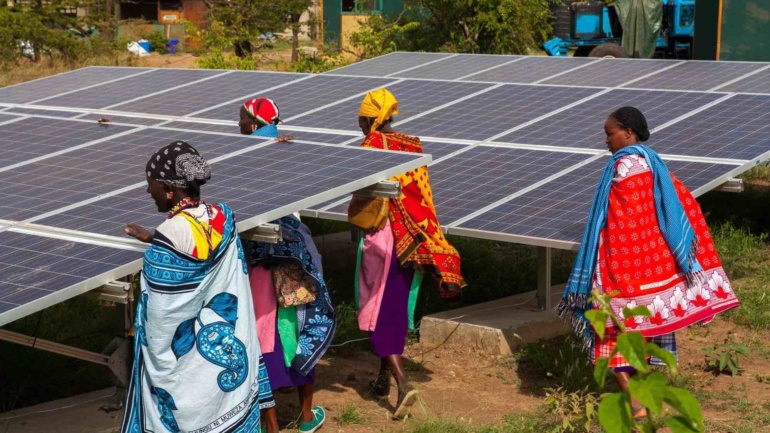
However, in the face of climate change and the global energy transition, there has been a gradual shift away from fossil fuels such as coal toward cleaner sources, including hydropower, wind, and geothermal energy.
In Kenya, the proposed Lamu Coal Plant, first introduced in 2015, faced sustained opposition from environmental activists and local communities. A series of legal and regulatory decisions between 2019 and 2023 ultimately halted its development on environmental and social grounds. The outcome increasingly reflects a broader recognition of the long-term risks associated with coal dependency.
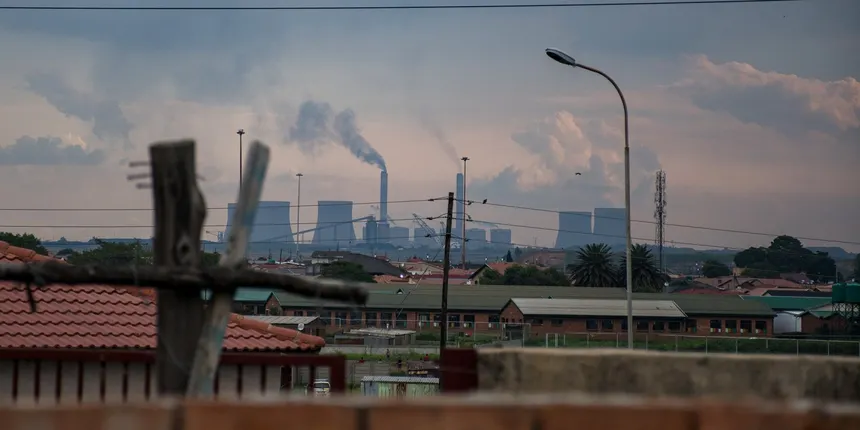
This perspective is reinforced by a new joint report by Greenpeace Africa, the Centre for Research on Energy and Clean Air (CREA), and GroundWork, which warns of severe consequences linked to delaying the phase-out of coal-fired power in South Africa.
According to the report, Unmasked: The Health and Economic Cost of Delaying Coal Phase-Out in South Africa, extending the operation of coal plants beyond their planned retirement dates could result in an estimated 32,000 additional premature deaths between 2026 and 2050.
The health burden is expected to fall disproportionately on children, with projections of 41,000 additional preterm births and 17,000 new cases of childhood asthma. The report also links extended coal operations to more than 370 deaths among children under five.
Beyond health impacts, the economic cost is equally significant. The report estimates losses to the South African economy at ZAR 721 billion (approximately USD 38 billion), driven by reduced productivity, lost working days, and increased pressure on an already strained public healthcare system.
Geographic disparities further highlight the scale of the issue. Gauteng province is projected to bear the highest number of additional deaths—over 15,000—despite having no coal-fired power stations operated by Eskom. Pollution from coal plants in Mpumalanga is carried across provincial boundaries, affecting densely populated urban centers such as Johannesburg and Pretoria.
According to Dr. Oulie Keita, Executive Director of Greenpeace Africa, the findings underscore a long-standing injustice faced by communities living near coal operations.
“The smoke in their lungs. The dust on their children’s chests. It’s an unacceptable price to pay to keep the lights on for the rest of the country when solutions exist,” she said.
Dr. Keita emphasized that South Africa’s ongoing energy challenges do not justify the continued health burden. With more than 220 GW of renewable energy projects currently in the pipeline, the report argues that prolonged reliance on coal reflects a policy decision rather than a technical limitation.
Key Findings
- 32,000 additional premature deaths projected between 2026 and 2050 if coal plant retirements are delayed under the 2025 Integrated Resource Plan (IRP)
- 41,000 additional preterm births and 17,000 new childhood asthma cases, with children bearing a disproportionate share of the burden
- Over 370 deaths in children under five linked to extended coal operations
- Gauteng is projected to record more than 15,000 additional deaths despite having no coal power stations; pollution travels from Mpumalanga
- 27 million additional lost working days, placing further strain on the public health system
- USD 38 billion in health-related economic costs, outweighing the economic case for extending coal use
- Over 220 GW of renewable energy capacity in the pipeline, underscoring the feasibility of transition
You can read the full report is available HERE
Read Also: Between Biofuels and Reality