
The escalation of tensions involving Iran and Israel has rattled global energy markets, sending oil and gas prices upward and reviving fears of another energy shock.
For oil-import dependent economies, particularly across Africa, the impact is immediate: rising fuel costs, inflationary pressure, and renewed strain on already fragile currencies.
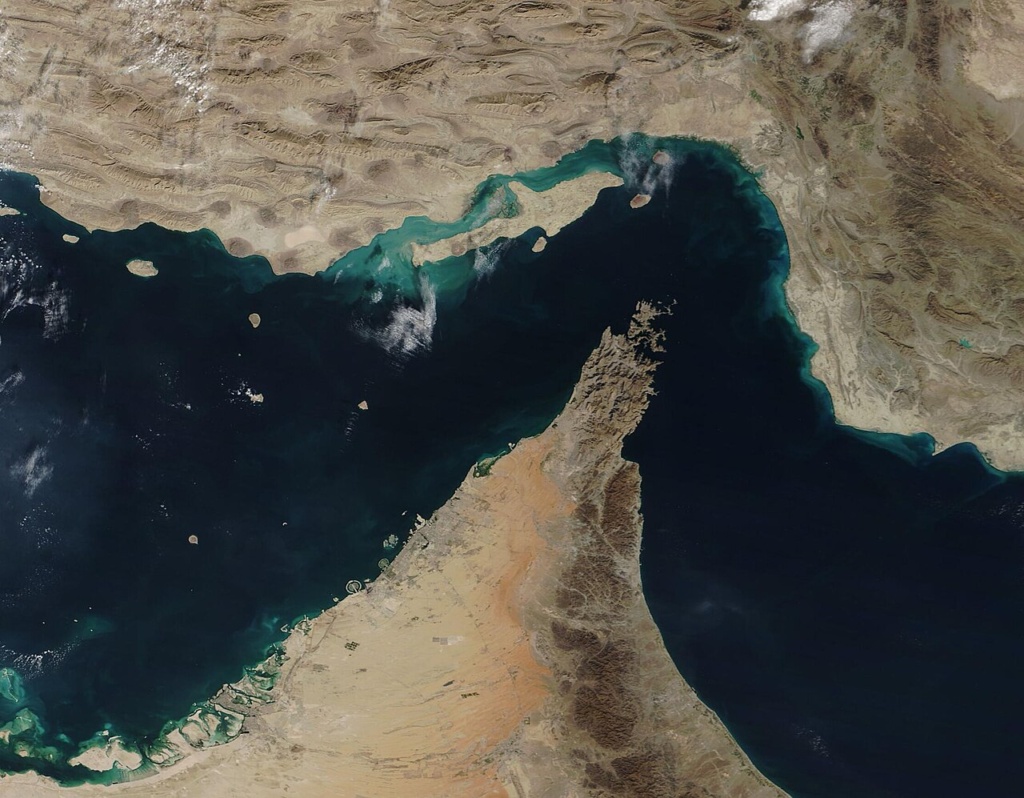
According to energy analysts, markets remain highly sensitive due to risks around key transit chokepoints such as the Strait of Hormuz, through which a significant share of globally traded oil flows.
Crude prices have climbed sharply since late February, with increases exceeding 30 percent in some benchmarks, while agricultural commodities linked to biofuel production, such as corn, have risen at a slower pace.
Africa: between windfall hopes and structural vulnerability
For Africa, the shock is uneven.
Oil-producing countries such as Nigeria, Angola, and Ghana could benefit from higher global prices. But these gains are often diluted by structural weaknesses, including heavy reliance on imported refined fuels and limited domestic refining capacity.
As recent energy market analyses show, many African economies remain net importers of petroleum products despite being crude producers, leaving them exposed to external price swings and currency depreciation pressures.
A recent Xinhua interview with Zambian energy expert Johnstone Chikwanda highlighted this vulnerability, noting that African countries “need to rethink and invest wisely during this crisis by exploring alternative supply routes” to strengthen energy security.
For import-dependent economies such as Kenya, South Africa, and the Democratic Republic of Congo, the downside is more immediate. Even modest oil price increases ripple through transport costs, food prices, and fiscal balances.
Economic research on African energy systems shows that oil price shocks tend to weaken energy access progress and disproportionately affect vulnerable households, especially where transport and cooking fuels dominate daily expenditure.
Most African economies experience what analysts describe as a “double exposure”: higher import bills and weaker currencies simultaneously, amplifying inflation.
As one recent energy transition analyst noted, Africa’s dependence on imported petroleum products makes it “heavily exposed to external shocks tied to global oil markets,” particularly those originating in the Middle East.
Biofuels return, but the African reality is more complex
Against this backdrop, biofuels are once again being discussed as an alternative fuel pathway.
Biofuels, derived from agricultural feedstocks such as sugarcane, palm oil, or maize, are typically blended with petrol or diesel and become more competitive when fossil fuel prices rise.
Globally, countries such as Brazil, Indonesia, and India have expanded biofuel programs as part of energy security strategies, using domestic agricultural systems to reduce fuel import dependence.
But Africa’s position is fundamentally different.
Unlike Brazil or Indonesia, most African countries lack:
- Large-scale processing infrastructure
- Stable feedstock supply chains
- Consistent policy frameworks for blending mandates
This limits the immediate scalability of biofuels as a regional energy solution.
There is also a more sensitive issue: food security.
In many African countries, maize and other staple crops used in biofuel production are also central to diets. This creates a structural tension between energy policy and food affordability, one that becomes more acute during global price shocks.
Development economists have long noted that rising global energy costs already force many African countries to spend a significant share of export earnings on fuel imports, deepening fiscal stress and reducing investment capacity in other sectors.
A broader African energy dilemma
Energy researchers and institutions such as the African Development Bank and UNECA have consistently argued that Africa’s long-term vulnerability is not just price volatility—but structural dependence on imported energy systems and fossil-fuel-based logistics.
This includes:
- Heavy road-based transport systems
- Weak refining infrastructure
- Limited energy diversification
- High exposure to global commodity cycles
Recent analysis also warns that continued reliance on fossil fuels risks locking African economies into high-cost, import-dependent energy pathways, while delaying investment in scalable renewables.
At the same time, new shocks tend to reinforce existing inequalities: urban consumers face rising fuel and food prices, while rural households revert to biomass energy when alternatives become unaffordable.
Beyond biofuels: the real transition pressure point
While biofuels are gaining attention in global markets, African energy experts increasingly frame the current crisis differently: not as a biofuel opportunity, but as a test of structural resilience.
Dr Bertha Chikadza, an economist and president of the Economic Association of Malawi, has warned that African economies remain deeply exposed to global supply chain disruptions and lack sufficient infrastructure to cushion external shocks, despite ongoing discussions on energy diversification.
This aligns with a growing consensus that Africa’s energy transition challenge is not simply replacing fuels, but redesigning systems: transport, power generation, and industrial energy use.
Consequently, the current oil shock is reinforcing a familiar pattern, where short-term crises revive interest in alternative fuels, but long-term structural constraints determine outcomes.
Crisis as signal, not solution
Biofuels may offer niche benefits in select markets, but they do not resolve the deeper structural issues in Africa, like import dependence, weak refining capacity, and limited energy diversification.
The real transition question is therefore not whether biofuels return to vogue, but whether African economies can use recurring shocks to accelerate a broader shift toward resilient, locally anchored, and diversified energy systems.
Without that shift, the continent will remain highly sensitive to geopolitical shocks it does not control, whether in the Strait of Hormuz, the Red Sea, or beyond.


