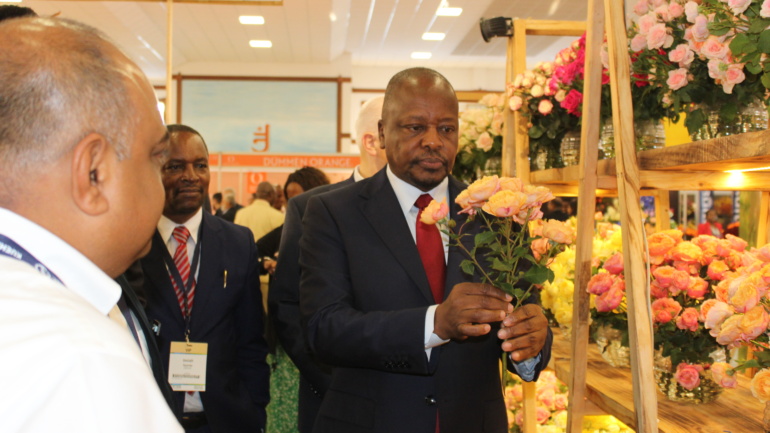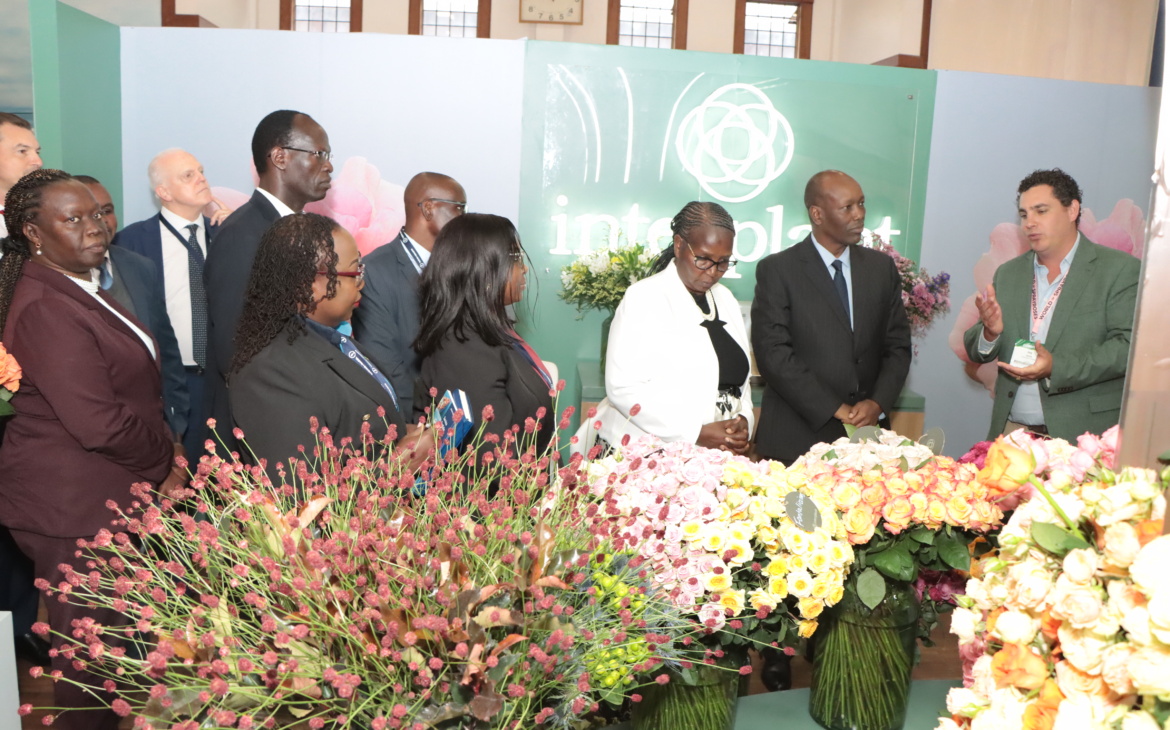
Kenya’s floriculture industry showcased its growing global influence as the 13th International Flower Trade Exhibition (IFTEX 2026) opened in Nairobi with a record 210 exhibitors and hundreds of international buyers, asserting the country’s position as one of the world’s leading flower exporters.
Held under the theme “Shaping the Future of Floriculture,” the three-day exhibition has brought together growers, breeders, logistics providers, regulators, government officials, and trade partners from Europe, the Middle East, Asia, Africa, and the Americas at a time when the sector continues to play an increasingly important role in Kenya’s economy.
The floriculture industry generates approximately KES 110 billion in annual export earnings, supports more than 200,000 direct jobs, and sustains millions of livelihoods across the country. Kenya remains Africa’s largest flower exporter, the world’s leading exporter of rose cut flowers to the European Union, and the third-largest exporter of cut flowers globally.
Over the years, Kenya’s flowers have become a global success story, reaching key markets in Europe, the United Kingdom, the Middle East, and Asia within hours of harvesting. The industry has also gained international recognition for investments in renewable energy, water conservation, traceability systems, and sustainable production practices.
Opening the exhibition, Cabinet Secretary for Investments, Trade and Industry Lee Kinyanjui described floriculture as one of Kenya’s most significant economic achievements, noting that the sector’s impact extends far beyond flower farms.
“When many people think about flowers, they think about beauty, colour, and celebration. Yet for us as Kenyans, flowers represent something much deeper. They represent jobs and livelihoods, enterprise and innovation, foreign exchange earnings, community development, women’s empowerment, and economic opportunity,” said Kinyanjui.
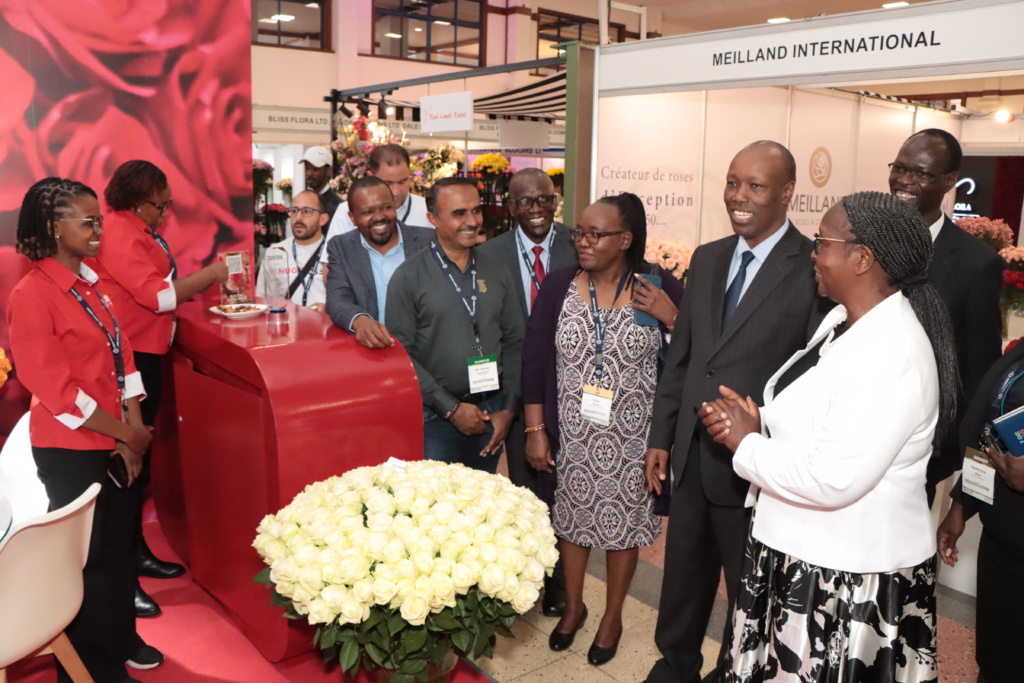
He acknowledged that the industry continues to face challenges, including rising freight costs, shifting market dynamics, regulatory requirements, and global economic uncertainty. However, he said the government remains committed to improving the business environment through enhanced logistics infrastructure, faster VAT refunds and efforts to expand market access.
“Our objective is simple: to ensure that Kenya remains one of the most competitive destinations for floriculture investment and trade,” he said.
Europe remains the largest destination for Kenyan flowers, making trade relations between Kenya and the European Union a critical pillar of the sector’s growth.
Representing the European Union, Filippo Amato said Kenya’s floriculture industry demonstrates the strength of the Kenya-EU trade partnership, noting that the country supplies more than 40 percent of flowers imported into the European Union.
“Kenya’s floriculture industry is an excellent example of this partnership in action. Kenya is the world’s third-largest exporter of cut flowers and supplies more than 40 percent of the flowers imported into the European Union,” said Amato.
According to the EU, Kenyan flower exports to the bloc are valued at more than €500 million annually. Amato said continued support through the Kenya-EU Economic Partnership Agreement, export competitiveness programmes and investments in logistics infrastructure, including cold-chain facilities, will help strengthen the sector’s resilience and competitiveness.
For exhibition organiser HPP International, the record turnout at IFTEX reflects sustained confidence in Kenya’s flower industry despite mounting global pressures.
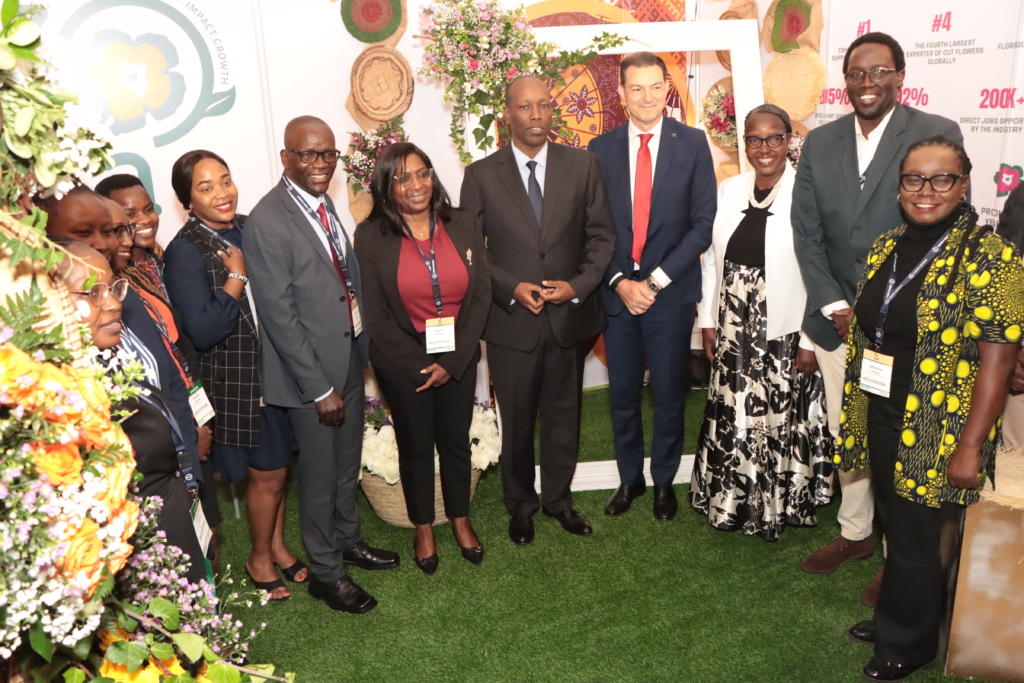
HPP International Chief Executive Officer Dick van Raamsdonk said this year’s exhibition has attracted the highest number of exhibitors in its history, highlighting Kenya’s central role in the global flower trade.
“This year, we break every previous record with 210 exhibitors under one roof. Whether you have travelled from across the oceans or across the continent, you are standing at the absolute centre of the floral world,” he said.
He noted that Kenyan growers are increasingly adopting smarter logistics systems, sustainable farming practices and carbon-conscious operations as international buyers place greater emphasis on sustainability and environmental responsibility throughout supply chains.
Meanwhile, Kenya Flower Council Chief Executive Officer Clement Tulezi emphasized the industry’s social and economic contribution, describing floriculture as one of the country’s most transformative sectors.
“Flowers are jobs. Flowers are school fees. Flowers are healthcare. Flowers are empowerment,” said Tulezi.
While highlighting the industry’s resilience, he called for stronger collaboration across the global value chain as growers face increasing production, freight and compliance costs.

“If the industry is to remain viable, there must be a shared recognition that value must be fairly distributed along the supply chain,” he said.
Industry stakeholders also pointed to the growing importance of plant health and regulatory compliance in maintaining Kenya’s export competitiveness. The Kenya Plant Health Inspectorate Service (KEPHIS) reported progress in strengthening compliance systems, digitising certification processes and reducing interceptions linked to the False Codling Moth, a key phytosanitary concern in European markets.
As demand for sustainably produced flowers continues to rise globally, industry leaders believe Kenya is well positioned to expand its footprint in emerging markets across North America, the Middle East, Eastern Europe, and Southeast Asia while maintaining its dominance in traditional export destinations.
Beyond facilitating business deals, IFTEX 2026 is expected to shape conversations around sustainability, logistics, innovation and market diversification. As growers, buyers and policymakers gather in Nairobi, the exhibition emphasizes Kenya’s ambition not only to remain a global flower powerhouse but also to help define the future direction of the international floriculture industry.