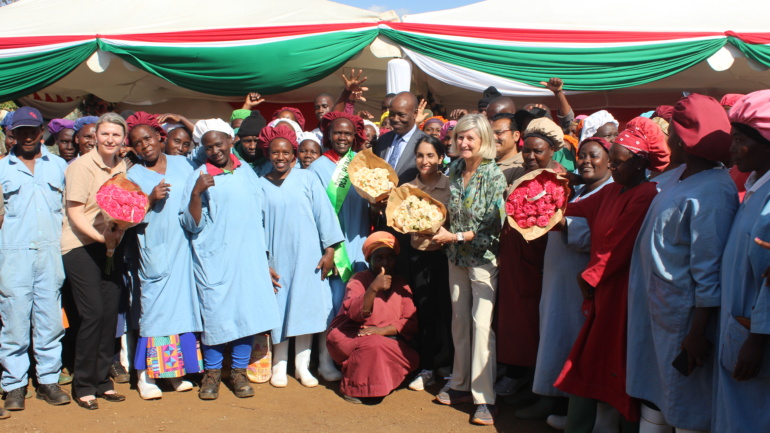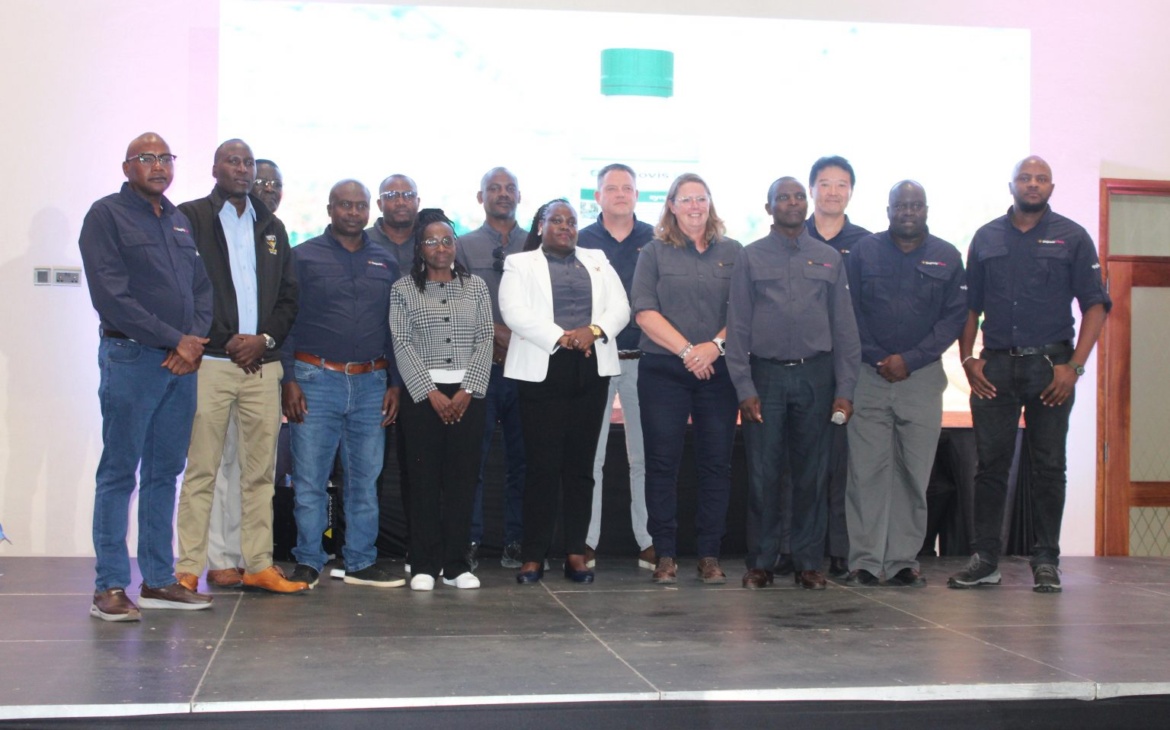
The launch of SEGOVIS® FLORA in Naivasha was met with unmistakable excitement as the hotel hall came alive with ululations, cheers, and rhythmic chants from flower growers who had gathered for the technical event. The atmosphere shifted from a formal technical presentations to a celebratory moment as anticipation built for the unveiling of a product many had been keenly awaiting.
In a moment that set the tone for the day, the almost recorded-like, energetic voice of MC MJAY cut through the noise, commanding attention across the room as she announced the entry of the new product into the Kenyan market.
Her announcement was met with renewed applause and vocal approval from growers, reflecting both the urgency of disease challenges in rose production and the high expectations placed on new solutions entering the sector.
It was a launch that blended technical seriousness with a rare sense of celebration in the floriculture space—underscoring just how significant SEGOVIS® FLORA is expected to be for rose growers battling persistent downy mildew pressure in export production systems.
New Fungicide Raises the Bar in Rose Downy Mildew Control
Leading crop protection company Syngenta has officially launched SEGOVIS® FLORA for Kenyan rose growers during a high level growers’ meeting held at a hotel in Naivasha, introducing what industry experts describe as a major technical advancement in the management of downy mildew in roses.
The launch brought together commercial flower growers, crop protection specialists, agronomists, and researchers from across Kenya’s floriculture industry to discuss emerging disease management strategies and sustainable crop protection solutions for export rose production.
Addressing a Growing Disease Challenge

The launch comes at a critical time for Kenya’s floriculture sector as growers continue to battle rising disease pressure driven by fluctuating humidity, erratic rainfall patterns, and increasing concerns over fungicide resistance in intensive production systems.
Designed specifically for ornamental crops, SEGOVIS® FLORA combines two powerful active ingredients, oxathiapiprolin (30 g/L) and mandipropamid (250 g/L), in a suspension concentrate formulation developed to target oomycete pathogens, particularly Peronospora sparsa, the pathogen responsible for downy mildew in roses.
Downy mildew remains one of the most destructive diseases affecting both greenhouse and outdoor rose production in Kenya, with severe infections capable of causing significant crop losses, reduced flower quality, and costly export downgrades.
The main product presentation was delivered by Daisy Ngeno, who guided growers through the technical features, performance profile, and application strategy of SEGOVIS® FLORA. She emphasized the product’s dual mode of action and its role in strengthening preventative disease control programs within commercial rose production systems.
Alloys Ohongo complemented the presentation by sharing grower trial results conducted under commercial production conditions. The trial data demonstrated strong disease control, improved crop cleanliness, and extended residual protection under varying disease pressure conditions.
Dual Chemistry Offers Stronger Protection
A major differentiating factor of SEGOVIS® FLORA is its dual mode of action, combining two complementary FRAC groups.
Oxathiapiprolin (FRAC 49) works by disrupting lipid transport and membrane integrity within oomycete cells through inhibition of the oxysterol binding protein homologue mechanism.
Mandipropamid (FRAC 40), on the other hand, interferes with cellulose synthesis and cell wall formation, effectively stopping pathogen development during early infection stages.
Together, the two active ingredients provide broader physiological disruption of pathogen growth and development. According to Syngenta, both actives demonstrate strong translaminar movement, while oxathiapiprolin also exhibits limited systemic movement through the xylem. This characteristic is particularly important in fast growing rose crops where protecting newly emerging foliage is critical for effective disease management.
Brix: Tool for Healthy Flowers
The event’s chief guest, Professor Samuel Nyalala from the Department of Horticulture at Egerton University, took growers through the importance of Brix as a tool for improving flower health and plant resilience.
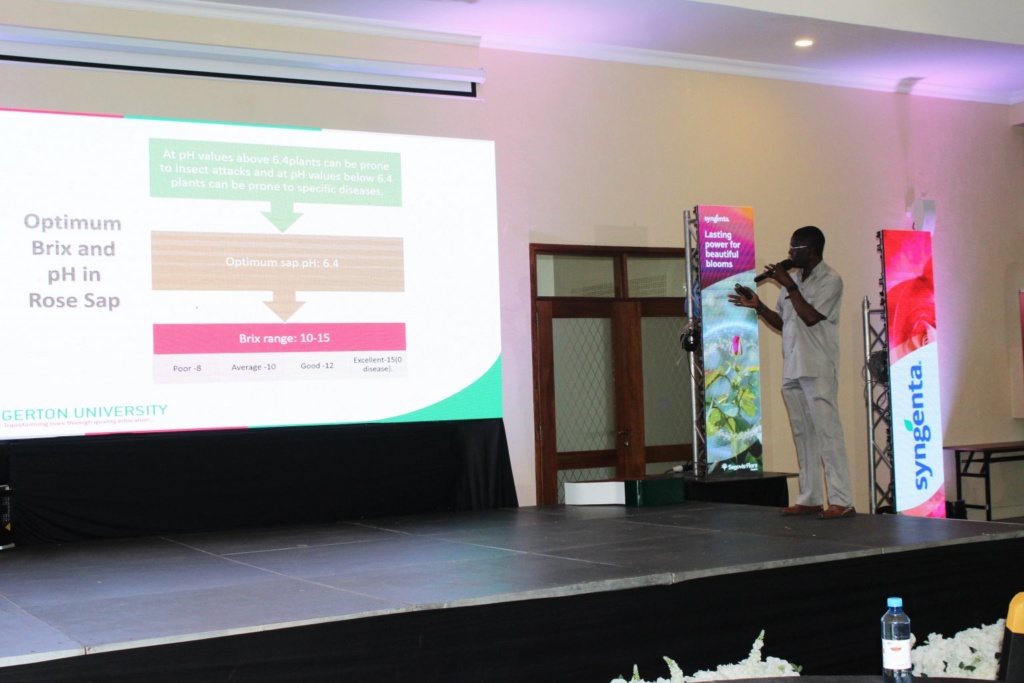
Professor Nyalala explained that Brix is a measure of the sugar content or total soluble solids within plant tissue and serves as a key indicator of plant health and nutritional balance. He highlighted the relationship between high Brix levels and improved resistance to pests and diseases, noting that healthier plants with elevated sugar levels are naturally less susceptible to pest attacks and pathogen infections.
“The higher the Brix level, the more resistant a plant becomes to pests and diseases,” he explained during the technical session. Adding for better resistance, it should be above 12.
Resistance Management and Sustainable Production
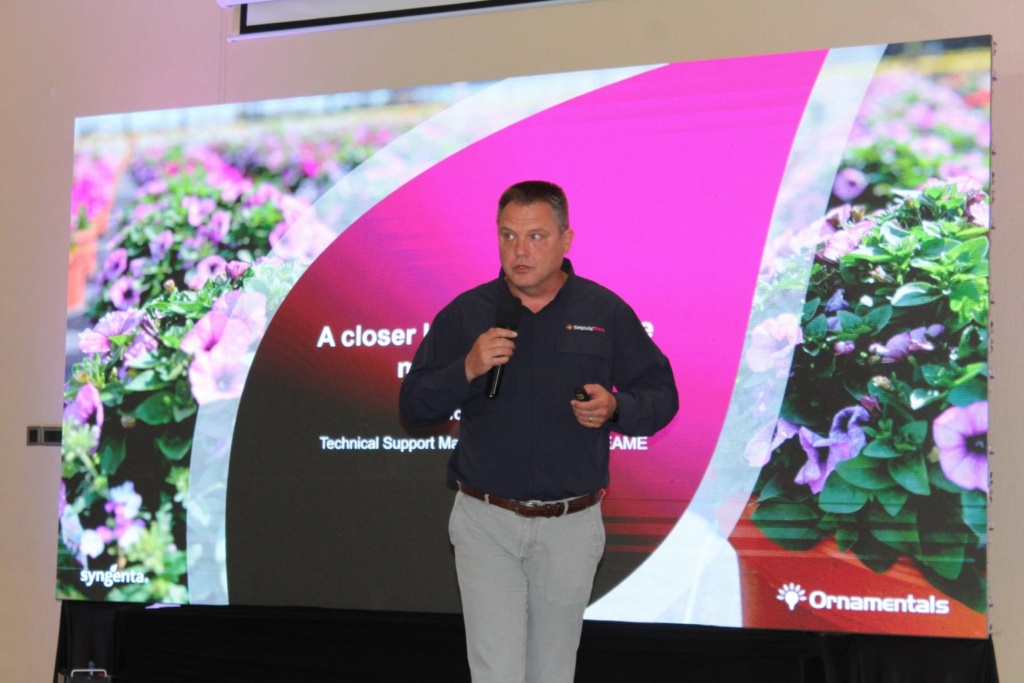
Another key session during the Naivasha event focused on fungicide resistance management, with Marcel Hubers taking growers through best practices for maintaining long term product efficacy.
Marcel emphasized the importance of proper fungicide rotation, adherence to recommended spray intervals, and integrating different modes of action within structured disease management programs to reduce resistance development risks.
Syngenta recommends SEGOVIS® FLORA for both greenhouse and outdoor rose production at an application rate of 0.7 litres per hectare and advises growers to incorporate the product into rotational spray programs alongside other fungicides rather than relying on it as a standalone solution.
The product is also compatible with many beneficial insects and mites used in integrated pest management programs, an increasingly important consideration for export oriented farms seeking to meet strict retailer residue standards and sustainability certification requirements.
Industry stakeholders attending the launch said the introduction of SEGOVIS® FLORA gives Kenyan growers a valuable new tool in maintaining cleaner crops, improving resistance management, and enhancing consistent flower quality for global export markets.
Source: Floriculture Magazine