
Somewhere out at sea, a vessel is fishing without a licence. Its catch will reach a market, its owner will remain anonymous, and the community whose waters it stripped will have little recourse.
This is the daily reality of illegal, unreported, and unregulated (IUU) fishing, a crisis estimated to cost the global economy up to $50 billion annually while devastating coastal livelihoods and marine ecosystems worldwide.
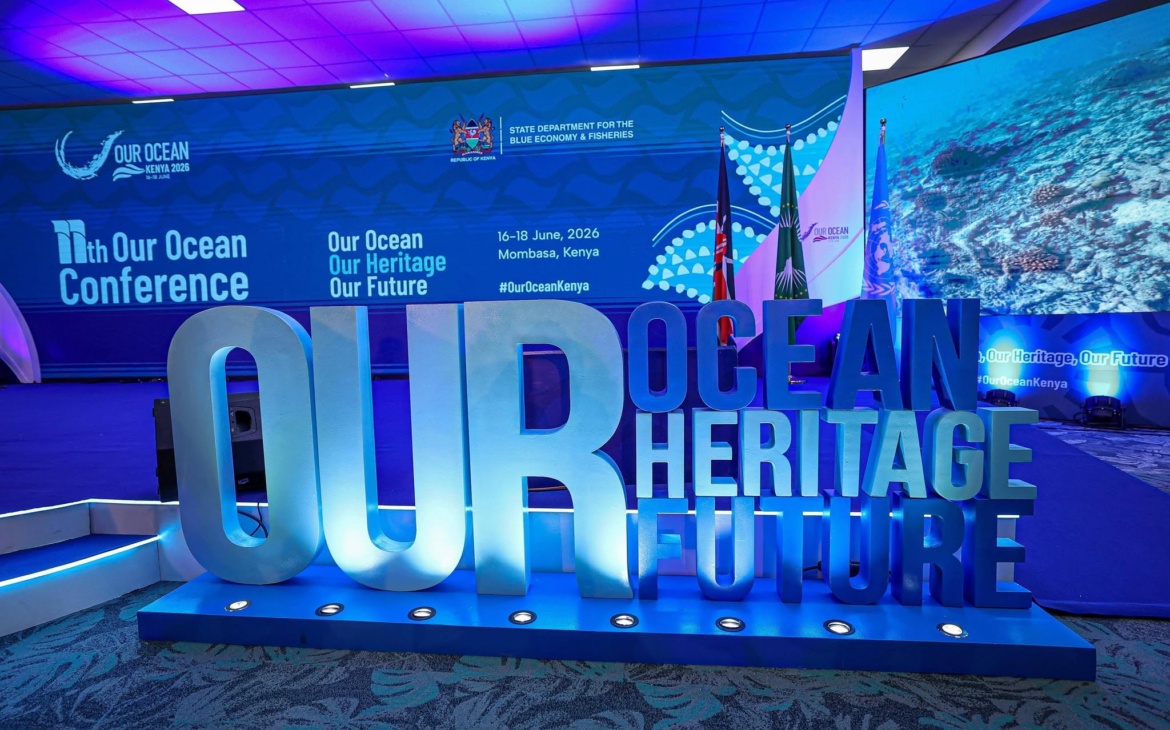
At the 11th Our Ocean Conference in Mombasa, sixteen governments from across Africa, Asia, the Caribbean, Europe, and the Pacific adopted the Mombasa Declaration, committing to strengthen global fisheries transparency and combat illegal fishing through improved data sharing, vessel tracking, and public accountability.
The declaration seeks to “drag the world’s fishing fleets into the light” by improving access to information on vessel ownership, licensing, movements, and fishing activities while strengthening cooperation between coastal and flag states.
Countries endorsing the declaration include Belgium, Cameroon, Chile, the Dominican Republic, France (on behalf of its overseas territories), Gabon, Gambia, Ghana, Guinea, Liberia, Panama, Papua New Guinea, Peru, the Republic of the Congo, Somalia, and South Korea.
The agreement also advances support for the Global Charter for Fisheries Transparency, a framework outlining ten low-cost or no-cost policy principles aimed at strengthening fisheries governance globally.
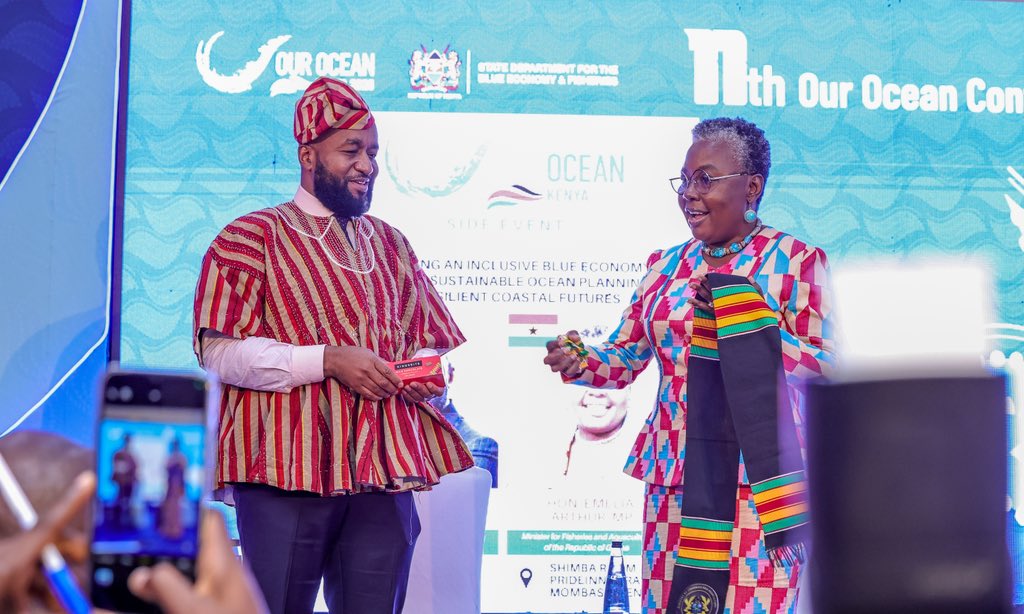
“In my country, our very existence depends on fish,” said Ghana’s Minister for Fisheries and Aquaculture, Hon. Emelia Arthur.
“Sixty percent of our animal protein comes from fish, and ten percent of our population depends on the fisheries value chain for their livelihood. Fisheries are a matter of culture and national security for us.”
For many coastal nations across the Global South, IUU fishing is not simply a regulatory issue but a growing food security and economic crisis. Illegal trawlers frequently undercut small-scale fishers, deplete fish stocks, and weaken communities that rely heavily on marine resources for survival.
France’s Minister Delegate for the Sea and Fisheries, Madame Catherine Chabaud, stressed that stronger international cooperation is necessary to effectively combat illegal fishing.
“We will not be able to effectively combat IUU fishing without greater transparency and international cooperation,” she said.
The Coalition for Fisheries Transparency, which supported the development of the declaration alongside academic and policy partners, described the diversity of signatories as evidence that momentum for ocean accountability is growing globally.
Healthy fish stocks remain essential buffers in a warming ocean. As sea temperatures rise and ecosystems shift, the ability to monitor and regulate fishing activity is becoming a cornerstone of climate adaptation for coastal communities.

Investigators have also long linked IUU fishing to forced labour, unsafe working conditions, human trafficking, and broader human rights abuses occurring far from public oversight.
Environmental Justice Foundation CEO Steve Trent said transparency is essential in exposing abuses and rebuilding trust in fisheries governance.
“Transparency is how we expose abuses, support coastal communities, and rebuild trust that fisheries can be managed sustainably and fairly,” he said.
Global Fishing Watch CEO Tony Long described the declaration as a major turning point in efforts to tackle illegal fishing.
“For too long, illegal fishing has thrived in the dark,” Long said. “When governments commit to transparency, sharing vessel identities, ownership, or tracking data, they create an interconnected network where bad actors have nowhere left to hide.”
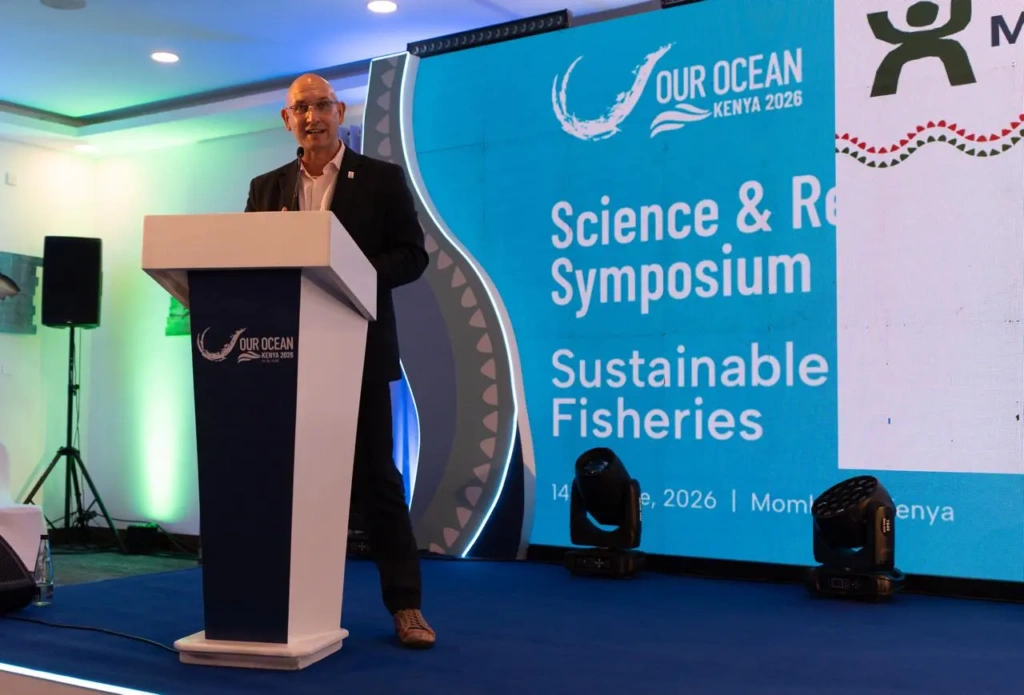
Oceana Vice President Beth Lowell said inadequate oversight and opaque supply chains have allowed destructive fishing practices to flourish for years.
“Transparency is essential to protecting our oceans and the livelihoods of those who depend on them,” Lowell noted.
Director Maisie Pigeon said the agreement reflects increasing recognition that a sustainable blue economy depends on strong governance, effective monitoring systems, and accessible fisheries data.
Bloomberg Philanthropies Environment Program lead Antha Williams added that better access to reliable fisheries information would strengthen decision-making and improve management of marine ecosystems.
Kenya used the conference to position itself as a leading voice in global ocean governance, evidenced by the contributions, amidst them actions around mangrove restoration, coral reef protection, and community involvement in the actions.
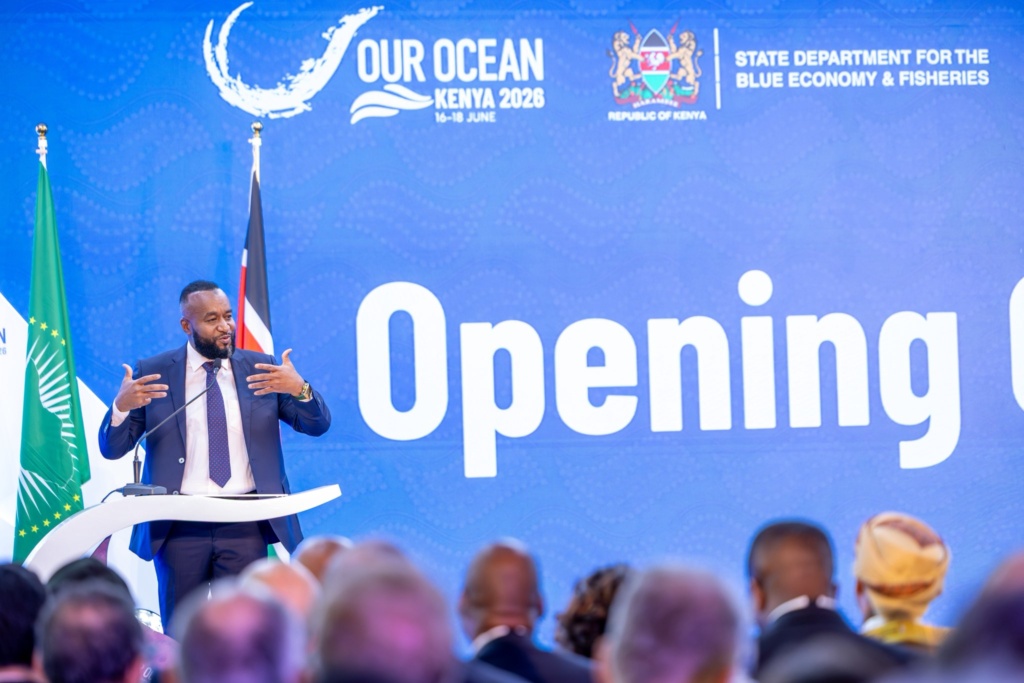
Cabinet Secretary for Mining, Blue Economy and Fisheries Ali Hassan Joho emphasized the need to accelerate implementation of ocean commitments while calling for the establishment of a global blue economy investment facility for developing countries.
“The ocean is not only a resource but the heartbeat of life, culture and livelihoods,” Joho said.
The Mombasa Declaration remains open for additional countries to join ahead of the next Our Ocean Conference in 2027, signaling growing international pressure for transparency and accountability across the global fisheries sector.
For decades, the oceans have allowed illegal activity to remain hidden beyond public view. The nations gathered in Mombasa are betting that stronger transparency, built gradually through international cooperation, can begin to change that.


