

A new set of policy reports examining fossil fuels dependence across Africa warns that continued reliance on oil and gas is exposing economies to growing financial instability, debt pressure, and global market shocks.
The reports, commissioned by the Fossil Fuel Treaty Initiative under the research project Visions for Replacing Fossil Fuel Revenues in Africa, assess Nigeria, Kenya, Angola, Senegal, and Tanzania, arguing that diversification into renewable energy, agriculture, manufacturing, and digital industries offers a more stable long-term growth path.
Researchers note that many African economies remain vulnerable to global oil and gas price fluctuations. For oil-producing nations, falling prices often shrink government revenues and trigger borrowing or spending cuts, while fuel-importing countries face rising inflation, costly subsidies, and pressure on foreign exchange reserves.
The reports recommend gradual reforms rather than abrupt shutdowns of fossil fuel industries, including subsidy reforms, stronger fiscal planning, and investments in sectors capable of generating long-term jobs and economic resilience.
Between 2021 and 2024, the government spent KSh169 billion stabilising fuel prices, almost equivalent to the national health budget for a fiscal year.
Tracy Tunge of University College London said expectations that Kenya’s oil reserves could resolve its debt crisis are unrealistic.
“We have other high-growth sectors, among them renewable energy, agriculture, green manufacturing, and the digital economy, that could help settle the debt faster and help us transition to a low-carbon economy.”
The reports also highlight the contradiction facing the continent: despite major oil and gas discoveries in recent years, nearly 600 million Africans still lack access to electricity.
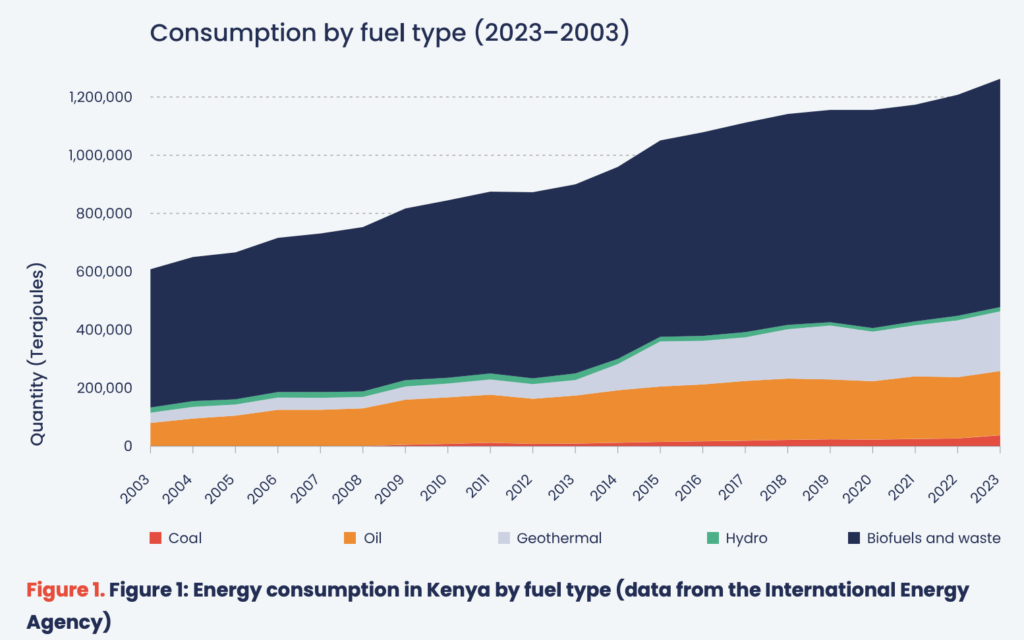
Researchers argue that fossil fuel extraction alone has not translated into universal energy access or broad-based development.
In Nigeria, researchers warn that dependence on oil revenues has left the economy vulnerable to corruption, environmental degradation, and unemployment despite decades of production.
More than 80 million Nigerians still lack electricity access, underscoring what the report describes as the limits of fossil fuel-led development.
Dr. Zainab Aliyu, co-founder of Reimagine Change, said the transition away from fossil fuels should now be viewed as an economic necessity.
“For Nigeria, the question is no longer whether it should transition; it has become imperative. It is a fiscal survival strategy.”
Dr. Jessica Omukuti of the University of Oxford said overdependence on fossil fuel revenues ties public finances to unpredictable global commodity markets.
“When prices fall, governments face difficult choices about spending, investments, and debt.”
The reports argue that a just transition for Africa will require stronger international cooperation, including climate finance, debt relief, and technical support to help countries build resilient economies beyond fossil fuels.
Dr. Amiera Sawas, Head of Research and Policy at the Fossil Fuel Treaty Initiative, said African countries cannot shoulder the transition burden alone.
“A truly just transition cannot rely solely on the domestic efforts of African countries.”
The reports were released amid growing international momentum for cooperation on transitioning away from fossil fuels ahead of the next global conference on the issue scheduled for next year in the Pacific.
Author Profile

-
Seeker.
Inspire AFRIKA.
Latest entries
 Biodiversity24 October 2026Faith Leaders and Civil Society Call for Stronger Partnerships to Restore Nature
 Biodiversity23 October 2026Inside Kobe’s Grassroots Effort to Train the Next Generation of Biodiversity Leaders
 Animals23 October 2026As COP17 Meets, World’s Rarest Great Ape Faces a Make-or-Break Test in Indonesia
 Biodiversity22 October 2026One in Five Tropical Biodiversity Sites Overlapped by Mining Concessions, COP17 Report Finds


