
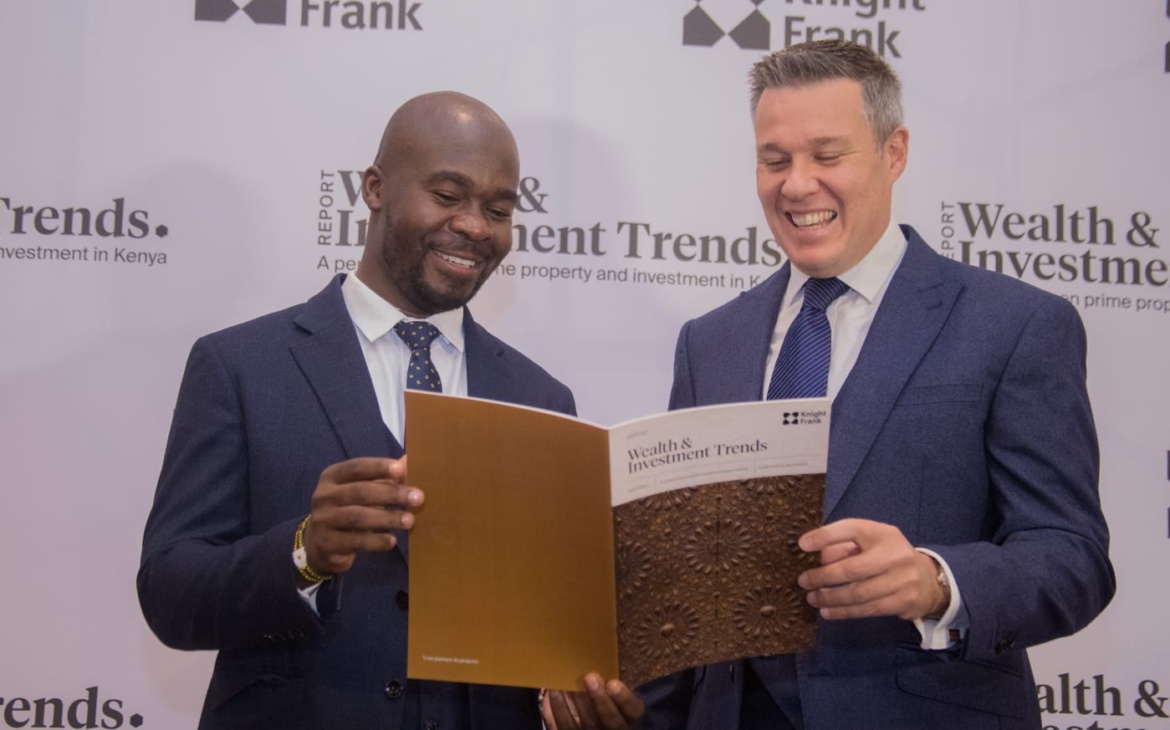
Kenya’s commercial property market is beginning to place greater value on sustainability, with investors increasingly looking beyond new developments and turning their attention to refurbishing older buildings as environmental performance becomes a more important consideration in investment decisions.
According to Knight Frank Kenya’s Wealth & Investment Trends Report 2026, investors are increasingly targeting ageing commercial properties for upgrades that improve energy efficiency, integrate renewable energy and enhance overall building performance.
Rather than replacing existing buildings, many are choosing to modernise them, extending their useful life while improving their long-term competitiveness.
The report found that 38 per cent of respondents said their clients are targeting underperforming commercial properties for refurbishment while maintaining their existing use, reflecting a growing preference for improving asset quality instead of pursuing demolition or complete redevelopment.
For Knight Frank Africa Research Analyst Boniface Abudho, the trend signals an important shift in how investors view commercial property.
“Commercial property is entering a new phase where value is increasingly created through thoughtful refurbishment. Investors recognise that improving the environmental performance of existing buildings not only extends their useful life but also enhances competitiveness in a market where occupiers are demanding higher quality space,” he said.

The report suggests that environmental, social and governance (ESG) considerations are steadily becoming part of mainstream investment decisions rather than remaining an optional sustainability initiative.
Knight Frank found that investors are increasingly embedding ESG principles into active asset management strategies through refurbishment, selective divestment of poor-performing assets and investments that improve environmental performance.
One of the clearest indicators of this shift is the growing importance of renewable energy.
The report shows that 75 per cent of respondents identified renewable energy integration as one of the primary ESG criteria considered when evaluating commercial property investments. Green building certifications were also identified as an important consideration by 63 per cent of respondents, highlighting the increasing value investors place on buildings that demonstrate stronger environmental credentials.
Knight Frank notes that these preferences reflect growing demand for buildings that deliver greater energy resilience, lower operating costs and stronger long-term investment performance.
Mark Dunford, Chief Executive Officer of Knight Frank Kenya, said refurbishment has evolved well beyond cosmetic improvements.
“Refurbishment is no longer simply about aesthetics. It is about reducing operating costs, improving energy efficiency, and ensuring buildings remain attractive to tenants and investors in an increasingly competitive market.“
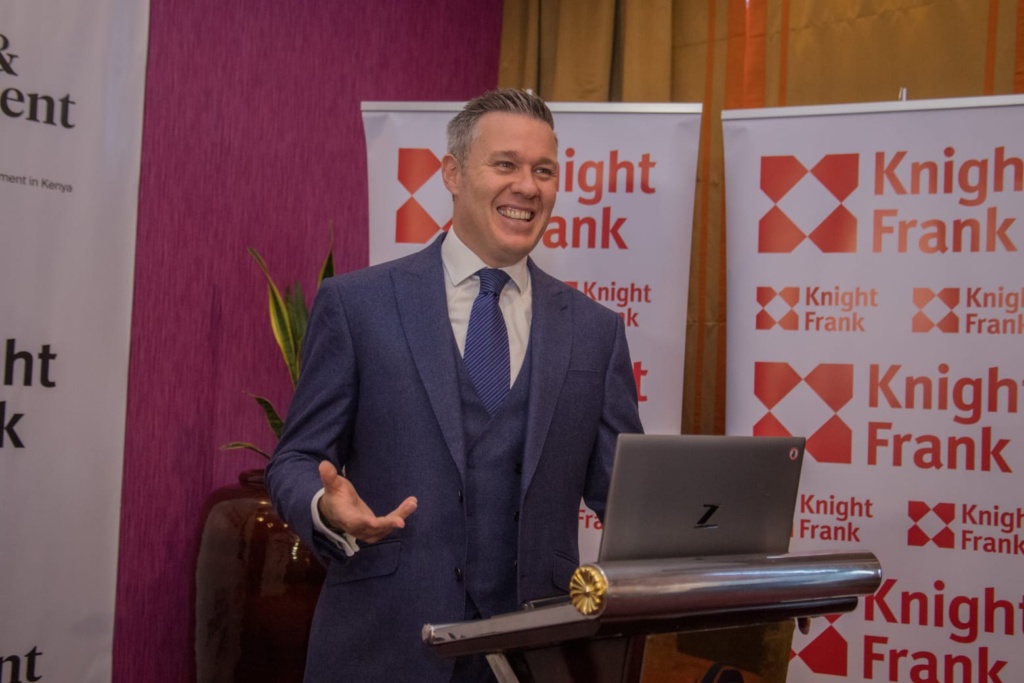
Beyond renewable energy and green certifications, investors are also paying closer attention to broader sustainability considerations.
The survey found that 44 per cent of respondents consider a property’s impact on nature and biodiversity when making investment decisions, while 31 per cent cited energy efficiency ratings as an important criterion. These findings indicate that environmental performance is increasingly influencing how commercial assets are evaluated alongside traditional financial measures.
The report also points to a wider transformation in investment strategies.
Rather than relying solely on acquisition, investors are increasingly improving existing assets through better energy systems, enhanced building management technologies and upgraded occupier amenities. Knight Frank says such improvements help preserve long-term asset values while supporting broader sustainability objectives.
The findings further show that investors are adopting different ESG-focused approaches. Besides refurbishment, 38 per cent of respondents said clients are investing in renewable energy projects, 31 per cent are considering divesting from poor ESG-performing assets, while 25 per cent are looking at repositioning or repurposing underperforming commercial properties.
According to the report, these approaches demonstrate that sustainability is increasingly influencing how capital is allocated within Kenya’s commercial property market.
For investors, the emphasis is no longer solely on acquiring premium buildings but also on identifying opportunities to improve existing assets and position them for future market demands.
Dunford believes those who invest in upgrading buildings today will be better placed to compete tomorrow.
“The buildings that perform best over the coming years will be those that adapt to changing occupier expectations. Investors who enhance existing assets today are positioning themselves for stronger performance tomorrow.“
Abudho said the findings illustrate how commercial property investment is evolving alongside changing sustainability priorities.
“Kenya’s commercial property sector is evolving. Refurbishment demonstrates that sustainable investment can deliver both environmental benefits and sound commercial returns without fundamentally changing a building’s purpose.“
As environmental performance continues to shape investment decisions, Knight Frank’s findings suggest that sustainable refurbishment is becoming an increasingly important strategy for investors seeking resilient, efficient and future-ready commercial assets.
Read Also: The Rope that was Built to Disappear
Author Profile

- How can we learn if we don't question?
Latest entries
 Oceans22 October 2026Seamounts Under Threat: Can Governments Turn Ocean Promises into Protection?
 Events21 October 2026New Guide Links Animal Welfare to Biodiversity and Human Health
 COP1717 October 2026The World Has a Plan to Save Nature. Can It Deliver by 2030?
 Agriculture16 October 2026“There Is No Shortcut”: A Kiambu Grower’s Decade in Mushrooms


