Empty Nets, Vanishing Fish have pushed local communities to the edge, with losses that destroy livelohoods plus for the biodiversity is disturbed, and messes the ecosystem as a whole. In a documentary by David AttenBorough its clear how the action undertaken causes diverse devastating damages.
After spending up to 12 hours at sea, many artisanal fishers along Kenya’s coast are returning home with nearly empty nets of fish. For communities in Malindi, Ungwana Bay and Lamu that have depended on fishing for generations, dwindling catches are becoming an increasingly common reality.
Now, a consortium of civil society organisations and Beach Management Units (BMUs) is calling for an immediate end to bottom trawling within Kenya’s inshore fishing grounds, warning that the practice is degrading marine ecosystems, reducing fish stocks and threatening the livelihoods of thousands of coastal families.
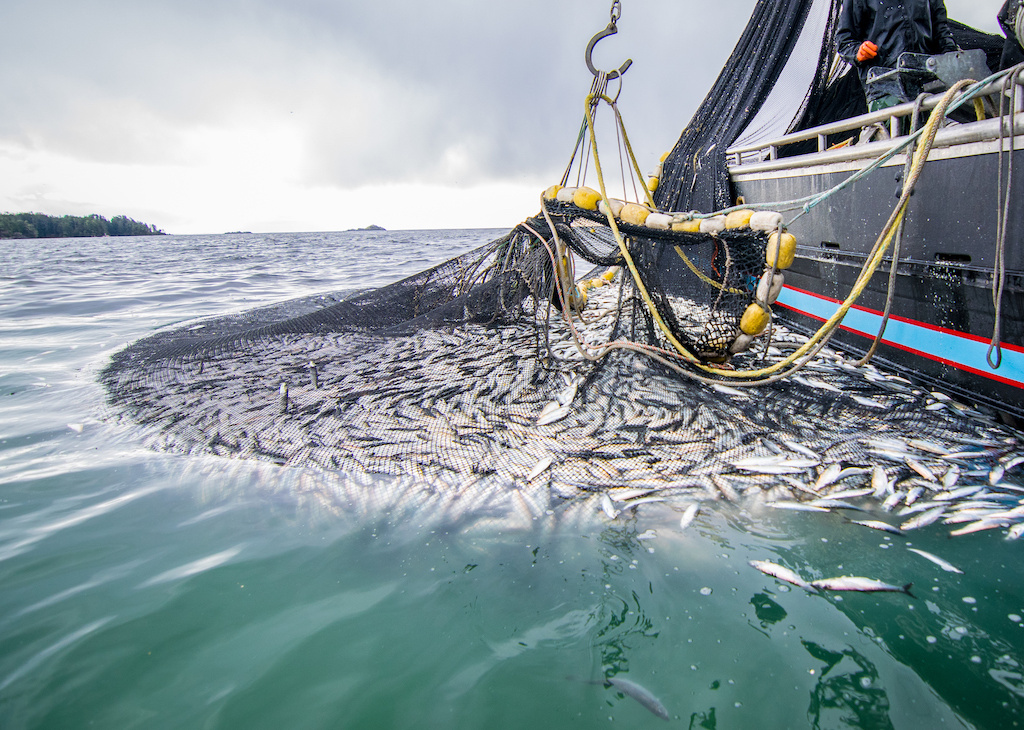
The appeal comes alongside a campaign video showing bottom trawling, a fishing method that involves dragging heavy weighted nets across the seabed. According to the consortium, while the method targets commercial species such as prawns, it also destroys sensitive marine habitats and catches large numbers of non-target species.
The organisations say repeated trawling damages seagrass beds, coral reefs and fish breeding grounds that are essential for maintaining healthy fisheries. They also warn that the practice results in significant bycatch, including juvenile fish, sharks, rays and sea turtles, many of which die after being caught in the nets.
The environmental impacts, they say, are already being felt. The consortium reports that three species of sawfish have disappeared from the Tana Delta, while banana prawns, once an important commercial fishery, are now close to local extinction. Dolphins and sea turtles also continue to be unintentionally caught in trawl nets.
Beyond the environmental damage, the organisations say declining fish stocks are affecting entire coastal economies. Lower catches mean reduced incomes for fishers, fish traders and processors, many of whom rely on daily fishing activities to support their families. The consortium says some communities are now facing growing food insecurity, debt and disruptions to children’s education as household incomes continue to decline with a decline in fish numbers.
At the centre of the concern is the enforcement of Kenya’s Fisheries Management and Development Act, 2016, which reserves waters within five nautical miles of the shoreline exclusively for artisanal fishers. The consortium alleges that commercial trawlers continue to operate within this protected zone despite the legal restrictions.

Among its recommendations are an immediate ban on bottom trawling within the 0–5 nautical mile zone, stronger action against vessels using destructive fishing gear, restoration of degraded seagrass and coral reef ecosystems, improved monitoring tools for Beach Management Units, support for alternative livelihoods for affected fishing communities, and clearer enforcement powers for the Kenya Coast Guard Service.
The consortium is also urging the government to consider extending the protected inshore fishing zone from five to six nautical miles as an additional safeguard for small-scale fishers and marine ecosystems.
The appeal has been directed to the Ministry of Mining, Blue Economy and Maritime Affairs, the Kenya Fisheries Service and the National Assembly, with the organisations warning that protecting Kenya’s marine resources is essential not only for biodiversity but also for food security and the future of coastal livelihoods.
For many fishers along Kenya’s coast, the issue is no longer just about protecting the ocean. It is about ensuring that future generations can continue to earn a living from the sea that has sustained their communities for decades.