As countries report on progress under the Kunming-Montreal Global Biodiversity Framework, young conservationists are pushing for their work to be counted in national and global assessments.
When countries report on progress towards the world’s biodiversity targets, what gets counted can be as important as what is happening on the ground.
Across Africa, young people are restoring ecosystems, monitoring wildlife, conducting research, raising environmental awareness and developing conservation initiatives in their communities. Yet much of that work risks remaining largely invisible in the national reporting systems feeding into the first global review of the Kunming-Montreal Global Biodiversity Framework.
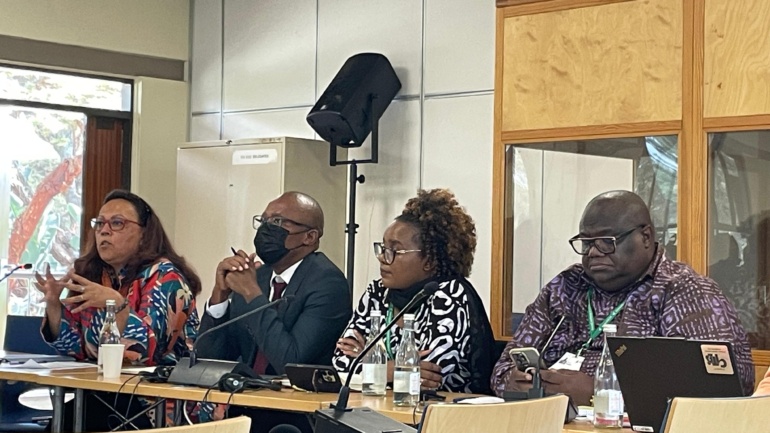
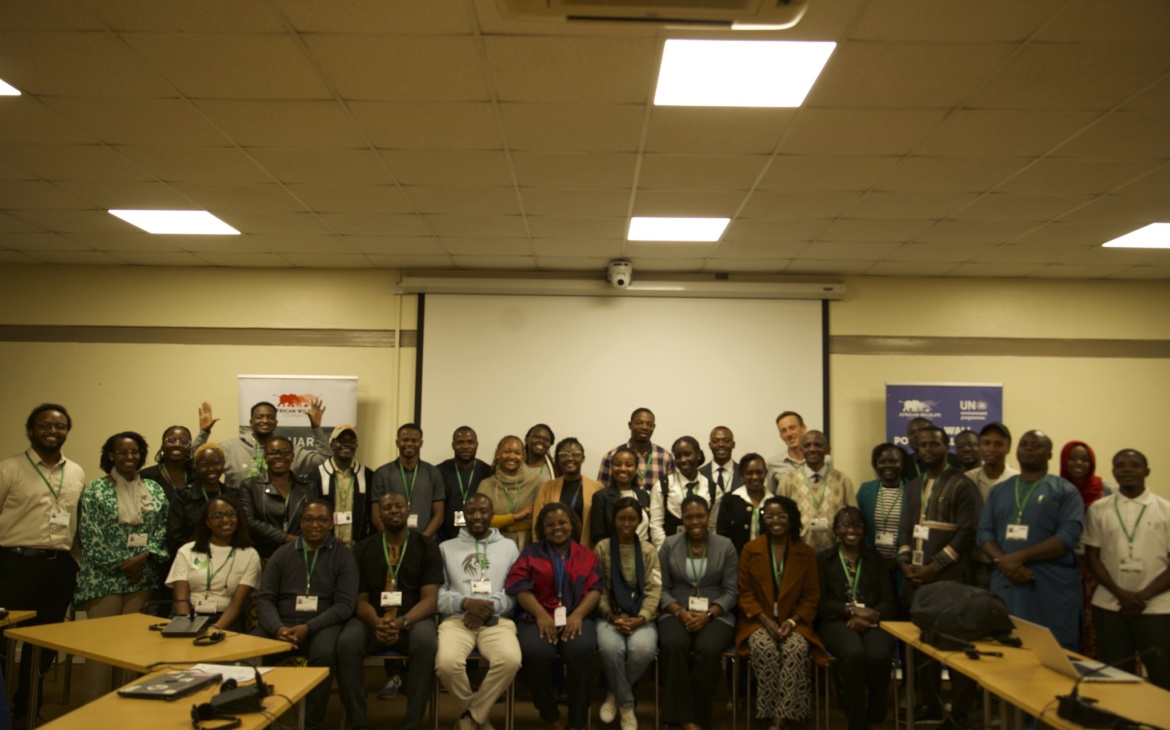
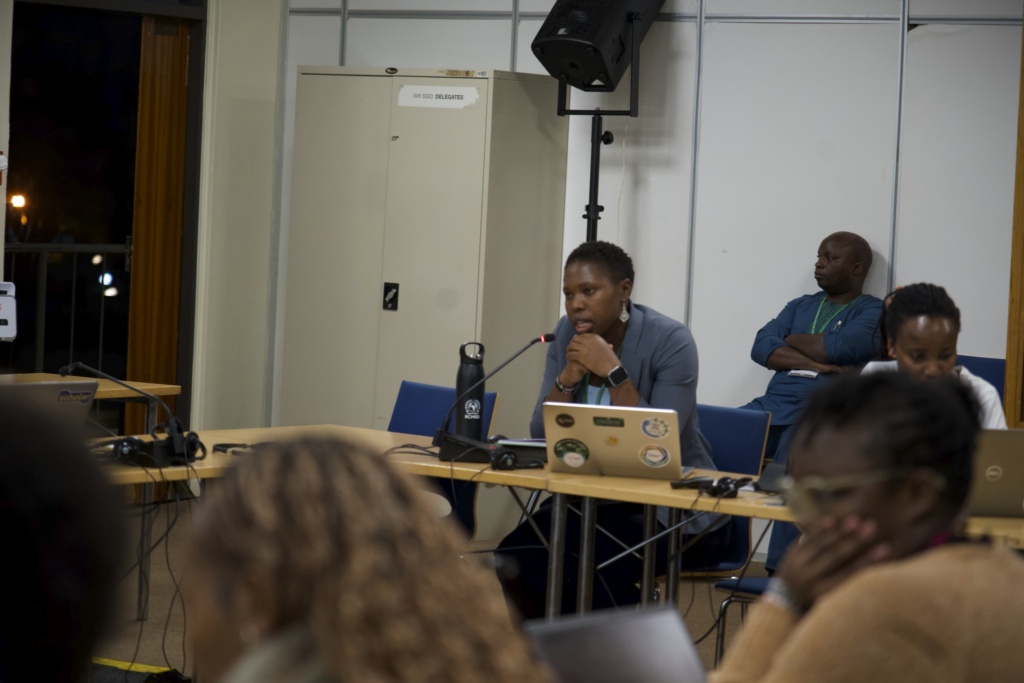
That concern emerged during a biodiversity side event convened by the African Wildlife Foundation, the African Civil Society Biodiversity Alliance and the Global Youth Biodiversity Network, where African youth representatives, civil society organisations and government officials examined how young people’s contributions are being reflected in national biodiversity reporting.
At the centre of the discussion was Target 22 of the Global Biodiversity Framework, which calls for the full, equitable and inclusive representation and participation of women and girls, children and youth, Indigenous Peoples and local communities, people with disabilities and environmental defenders in biodiversity decision-making.
Its adoption in 2022 was widely regarded as an important step towards making biodiversity governance more inclusive. Although recognition in a global framework does not automatically translate into evidence in national data.
From Participation to Evidence
The concern raised by youth organisations is that countries can report that young people participated in consultations, workshops, or awareness-raising activities without demonstrating whether these activities influenced decisions or led to biodiversity action.
For youth groups, the distinction matters.
Being invited to a meeting is different from helping design a national biodiversity strategy. Being consulted is different from having recommendations reflected in policy, and attending a workshop does not necessarily demonstrate that young people are leading conservation work in their communities.
Without indicators capable of capturing these differences, meaningful youth participation can become difficult to measure, and what is difficult to measure can also be difficult to prioritise in policy and financing.
A rapid review of 42 African seventh national reports conducted by the organisers found that youth were increasingly recognised in national biodiversity reporting. Their contributions appeared across areas including restoration, education, research, monitoring and green economy activities.
However, the depth of that participation varied considerably. Some reports focused largely on information sharing and consultation, while fewer provided evidence of youth involvement in co-design, shared decision-making or recognised leadership.
DRC’s Attempt to Close the Gap
The Democratic Republic of Congo provides one example of how countries could begin addressing the problem.
Daniel Mukubi, the country’s CBD national focal point at the Ministry of Environment and Sustainable Development, said youth participation in the DRC is increasingly being incorporated into biodiversity planning and implementation.
Young people, he explained, are involved in wildlife monitoring, community biodiversity activities and peer-to-peer awareness campaigns.
The approach is particularly important at community level, where environmental action is often undertaken informally and may not immediately enter government reporting systems.
Mukubi said the DRC has sought to incorporate youth indicators directly into its National Biodiversity Strategy and Action Plan (NBSAP), allowing the country to track not only participation but also the contribution and outcomes of youth engagement.
The objective is to create a pathway for evidence generated by communities to enter national monitoring and reporting systems.
For countries struggling to capture grassroots conservation efforts, that could offer an important lesson: national systems do not necessarily have to wait for global indicators to become more detailed before improving how they document youth contributions.
Only Nine Described Their NBSAP Participation as Meaningful
The gap becomes more apparent in data collected by the Global Youth Biodiversity Network (GYBN) Africa.
Irene Kananura, GYBN Africa’s Regional Coordinator from Uganda, said a survey covering the network’s national chapters found that only 16 chapters reported being involved in their country’s NBSAP revision process. Of those, only nine described their involvement as meaningful.
For GYBN Africa, meaningful participation means being involved from the beginning of the process and seeing youth input reflected in the resulting strategy and targets.
The remaining seven groups, Kananura said, were largely involved at the beginning or end of the process rather than throughout its development. The barriers are not necessarily a lack of interest among young people.
They include difficulties building relationships with national biodiversity authorities and limited public access to NBSAPs in some countries, making it harder for youth groups to know what governments are planning and where they can contribute.
Yet the same organisations are already implementing projects on the ground.
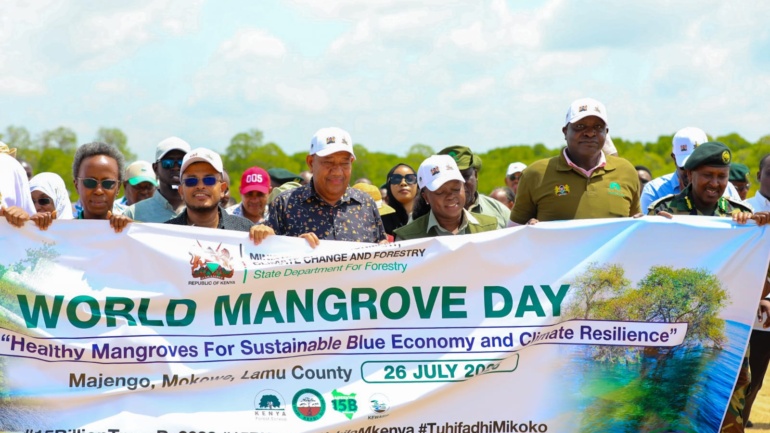
GYBN Africa chapters are involved in activities including mangrove restoration, indigenous-species reforestation and the development of project proposals intended to attract conservation financing.
The challenge, therefore, is not simply getting young people to participate. It is creating systems capable of recognising and recording what they are already doing.
The Data Question Behind Youth Participation
Africa’s demographic reality makes the issue difficult to ignore. The continent has the world’s youngest population, meaning today’s young people will increasingly shape how biodiversity is governed, financed and conserved over the coming decades.
Even though demographic importance alone does not guarantee influence.
For youth representatives at the Nairobi discussion, the next step is to move beyond counting attendance and towards documenting outcomes.
That means stronger national indicators, clearer reporting mechanisms and greater access to biodiversity planning processes. It also means recognising that young people are not a single constituency.
Youth participation intersects with Indigenous Peoples and local communities, women, people with disabilities and other groups whose experiences and contributions can overlap.
As countries continue implementing the Kunming-Montreal Framework, the question is therefore becoming less about whether young people are participating and more about whether existing systems can adequately record the nature and impact of that participation.
The first global review of the Framework will provide an important measure of where countries stand. However, for Africa’s youth biodiversity movement, the larger test goes beyond one review.
If conservation data is meant to guide policy, investment and implementation, then the work already being done by young people needs to become visible within the evidence itself.
What is not captured in the data can easily become invisible in the decisions that follow.