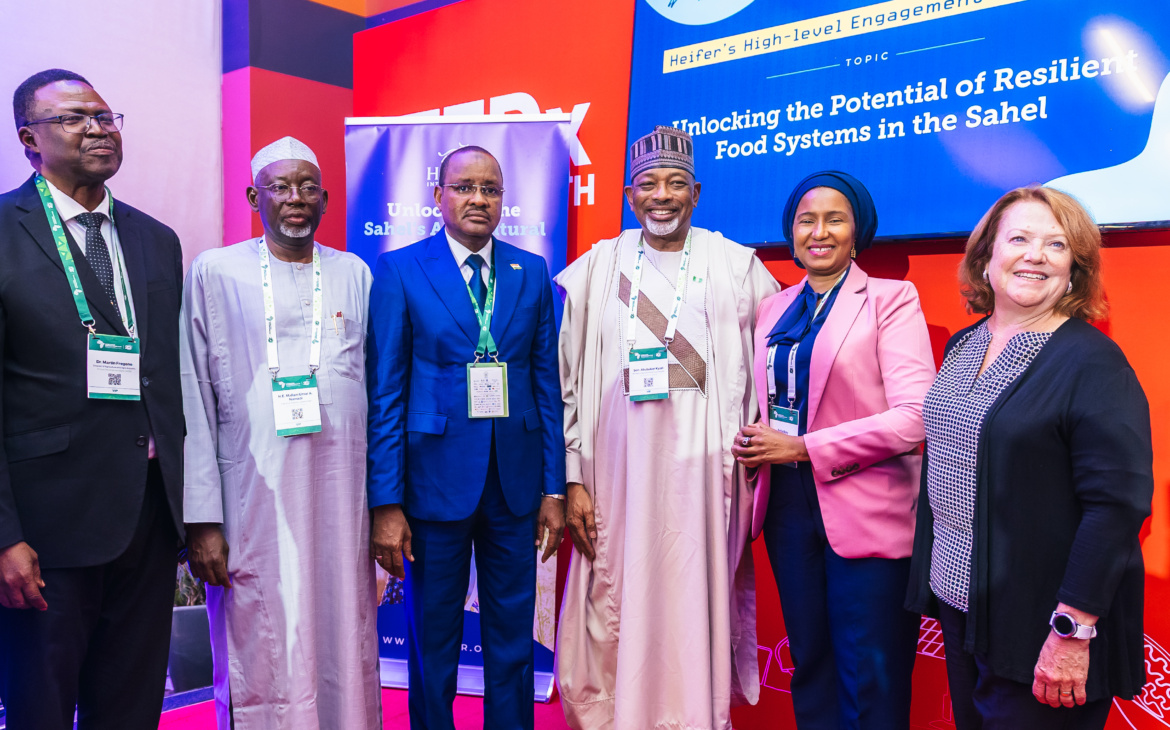
At AFSF 2026, ministers and financiers made the case that the Sahel’s agriculture and livestock sectors are an investment opportunity hiding behind a humanitarian headline, if the region’s chronic financing gap can be closed.
For a region more often discussed in terms of crisis than capital, the tone inside the High-Level Ministerial Roundtable on the Sahel was strikingly transactional and policy-focused; discussions focused on solutions to issues on the continent.
Convened by Heifer International on the sidelines of the Africa Food Systems Forum 2026, the 90-minute session brought ministers from Niger, Mali, Senegal and Nigeria together with the World Bank, the African Development Bank (AfDB), the Mastercard Foundation and the International Livestock Research Institute (ILRI) to answer a narrower, harder question: what would it actually take to move money into Sahelian agrifood systems at scale?
The numbers set up the stakes. Nearly 400 million people live in the Sahel, 65 per cent of them under 25, and roughly two-thirds of the region depends on agriculture and livestock for a living.
Yet producers and agribusinesses across the region remain locked out of the capital, markets and risk-sharing instruments that would let that dependency translate into growth.
“The Sahel brings a formidable economic opportunity that is little known,” said Safia Boly, Senior Vice President for Africa at Heifer International, framing the region’s demographic weight as a source of demand for jobs, income and markets, rather than only a vulnerability.
The financing gap, itemised
Where the discussion earned its “investment roundtable” billing was in how specific ministers got. Rather than general appeals for support, several came with figures attached to named projects, treating the session less as a diplomatic courtesy and more as a pitch.
Mali’s delegation, led by Minister Youba Ba, put forward an estimated 215 billion CFA francs (roughly $360 million) in proposed livestock and fisheries investments: 75,000 hectares of irrigated agriculture, 125 new water points and 10 livestock markets, which the delegation said could generate around 80,000 jobs.
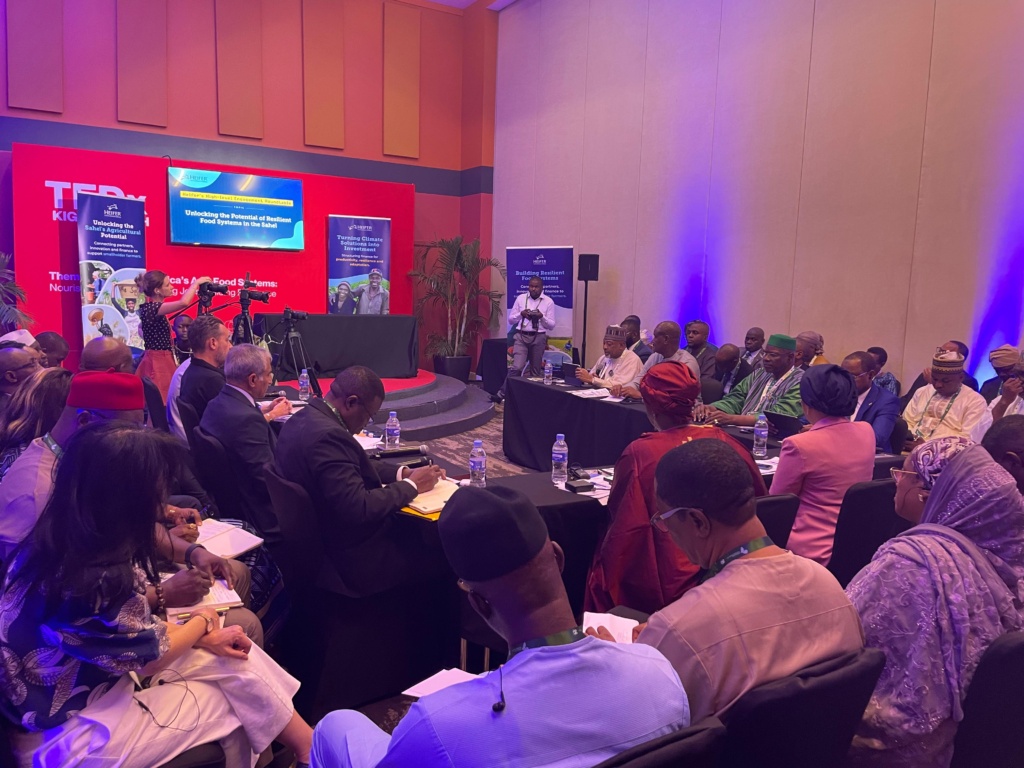
Niger, represented by Minister Colonel Mahamane Elhadj Ousmane, pointed to irrigation, livestock feed systems, dairy processing and poultry as priority areas, but with a specific ask: that partners engage through co-investment structures rather than traditional aid.
Senegal’s Minister Cheikhou Oumar Ba drew on lessons from the Meliteji-WASU program to argue for capturing more value domestically, rather than importing processed agricultural products the country could produce itself.
Nigeria, represented by both Minister Alhaji Idi Mukhtar Maiha and Minister Abubakar Kyari, pressed the case for greater private-sector participation in its livestock and agriculture sectors.
The throughline across all four was a shift in ask, from funding fragmented, standalone projects to financing whole value chains that connect producers to processing, infrastructure and markets in one investable package.
The development-finance representatives didn’t just receive the pitches; they answered with conditions.
Anup Jagwani of the World Bank spoke to what needs to be true for private capital to follow public investment into Sahelian agrifood systems, while Martin Fregene of AfDB addressed how blended public-private structures could be mobilised around the specific national priorities just presented.
From pledges to pipeline
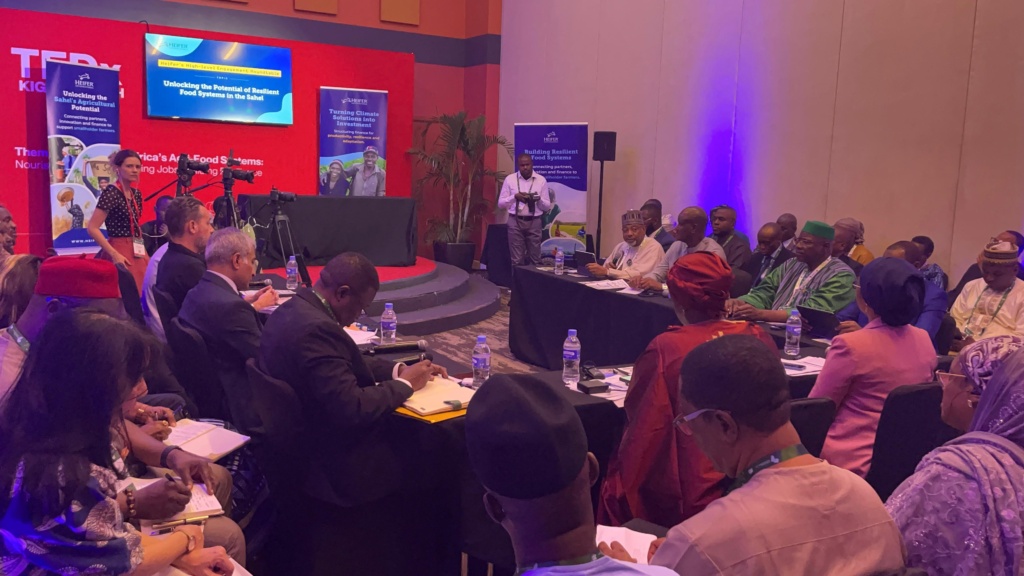
What distinguished this roundtable from a standard convening was its explicit sequencing: ministerial priorities first, investment presentations second, financier response third, designed so that Niger and Mali’s project pitches landed directly in front of the institutions positioned to fund them, rather than as background context for a general discussion.
Boly summarised the operating premise: “The partnership is at the heart of the way we operate.”
The roundtable’s stated next step is to convert Thursday’s discussion into structured follow-up among governments, development finance institutions and private investors on the specific opportunities raised, with an explicit focus on the coordination gaps in infrastructure, financing and market access that speakers identified as the real constraint, more than any single missing check.
Whether that follow-through happens will be the real test of whether the Sahel’s investment case, laid out with unusual specificity, converts into capital on the ground.
Author Profile

-
Seeker.
Inspire AFRIKA.
Latest entries
 Biodiversity23 October 2026Inside Kobe’s Grassroots Effort to Train the Next Generation of Biodiversity Leaders
 Animals23 October 2026As COP17 Meets, World’s Rarest Great Ape Faces a Make-or-Break Test in Indonesia
 Biodiversity22 October 2026One in Five Tropical Biodiversity Sites Overlapped by Mining Concessions, COP17 Report Finds
 Biodiversity21 October 2026COP17 Opens in Armenia with Global Biodiversity Progress Under Scrutiny