Twenty-seven conservation and welfare groups say Vantara’s 12-month moratorium falls short, ahead of a CITES Standing Committee meeting in Geneva on 2 to 6 November.
In four years, Vantara, a privately funded wildlife rescue and rehabilitation initiative in Jamnagar, Gujarat, India, backed by Reliance Industries, has reportedly received more than 60,000 live animals representing approximately 2,000 species, according to a coalition of conservation and animal welfare organisations.
Among the animals cited are great apes, Spix’s macaws, Galápagos iguanas and shoebills. Vantara describes its facilities as rescue and rehabilitation centres, while critics have questioned the scale of its operations.
A September 2025 report by the Secretariat of the Convention on International Trade in Endangered Species of Wild Fauna and Flora (CITES) recorded 47,633 animals across Vantara’s two facilities. India’s Central Zoo Authority had approved the acquisition of 84,822 animals, a figure distinct from animals actually received.
The scale has drawn international scrutiny.
“In our decades of work on wildlife trade issues, we have never encountered anything comparable to the scale and diversity of live animal imports to Vantara,” 27 organisations wrote in an open letter dated 22 September 2026.
Signatories include Born Free Foundation, Four Paws International, Pro Wildlife, the Jane Goodall Institute Global, the Pan African Sanctuary Alliance and Kenya’s Ulinzi Africa Foundation.
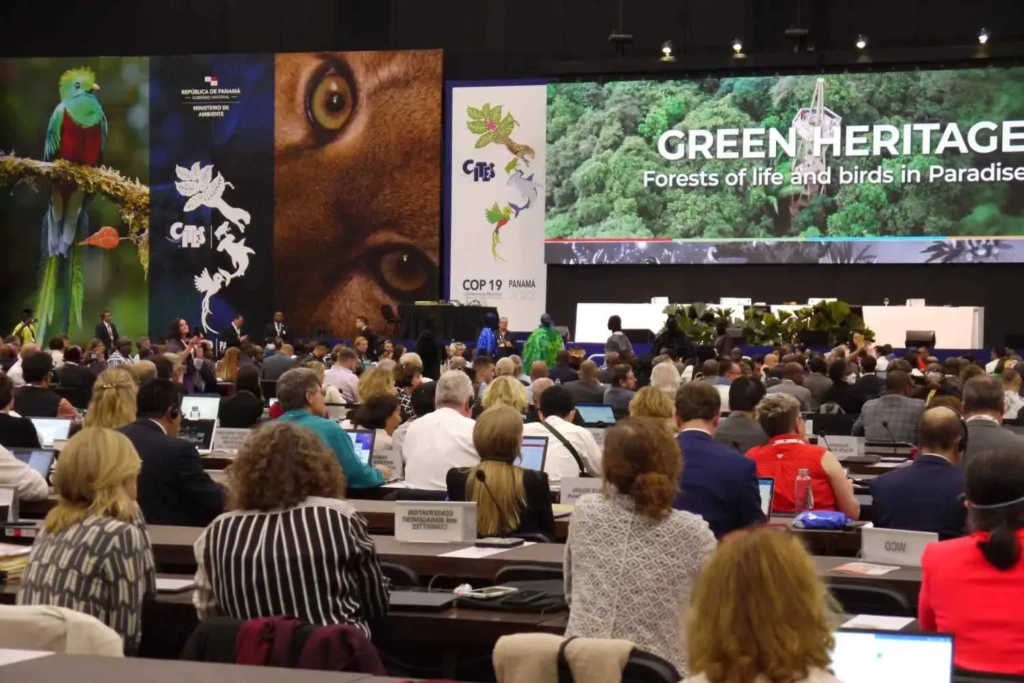
Their concerns come ahead of the 81st CITES Standing Committee meeting, scheduled for 2–6 November 2026 in Geneva, Switzerland, where India’s response to international concerns over wildlife imports will be considered.
A temporary pause, but questions remain
On 19 August, Vantara announced reforms in a submission to India’s CITES Management Authority, also filed with the country’s Supreme Court.
Among them was a voluntary 12-month moratorium on new animal import applications, effective from 5 June 2026. Vantara also announced restrictions on imports of great apes, big cats, animals sourced from the wild and species listed under CITES Appendix I, which covers animals and plants threatened with extinction and subject to particularly strict international trade controls.
Proposed acquisitions would undergo scrutiny by a CITES Due Diligence Committee, an Advisory Board and a Governing Council. Re-exports would be permitted only after at least seven years had passed since the animals were first imported.
Vantara describes the reforms as a shift towards supporting wildlife conservation in natural habitats and countries of origin rather than expanding its rescue facilities through international acquisitions.
However, the coalition argues that the commitments leave significant gaps. Its first concern is the moratorium’s duration. The organisations warn that a temporary suspension could encourage exporters and traders to stockpile animals in anticipation of imports resuming in June 2027.
They want a permanent end to wild animal imports, with narrowly defined exceptions for independently verified conservation or animal welfare needs.
The groups also question exemptions allowing imports from certain exporting countries and accredited institutions, warning that animals of questionable origin could be misrepresented as captive-bred.
Another concern is the definition of rescue. According to the letter, Vantara previously imported hundreds of primates, birds and reptiles from commercial entities. The organisations question whether all these animals could reasonably have been rescued or bred in captivity.
They oppose arrangements in which donors purchase animals from commercial suppliers before transferring them to Vantara as rescues, arguing that such transactions could incentivise wildlife trade.
Their 14 requests include prohibiting payments for animal acquisitions, establishing clear rescue criteria, restricting breeding and publishing an independently verified animal inventory documenting origins, transfers, births and deaths.
They also seek independent oversight, financial transparency and guarantees for the lifetime care of animals already held at Vantara.
The coalition argues that funding for local rescue centres should not depend on donors obtaining governance authority or receiving animals in return. Repatriation should also occur only where appropriate rehabilitation and long-term welfare can be guaranteed.
What the international investigation found
The debate is complicated by findings that recognise Vantara’s animal care standards while questioning aspects of the international trade supplying its facilities.
A CITES Secretariat verification mission visited India from 15 to 20 September 2025. Its report found that Vantara’s two facilities operated to exceptionally high standards and identified no evidence of undocumented imports or sales of animals or their offspring.
However, the Secretariat raised concerns about how Indian authorities verified the origins of imported animals.
According to the report, India had sometimes accepted foreign export permits without conducting additional checks beyond confirming their validity with exporting countries.
Of the 2,132 Appendix I specimens imported by Vantara’s Greens Zoological Rescue and Rehabilitation Centre, 2,049 were declared captive-bred. The Secretariat questioned whether some animals genuinely met that definition.
The report also identified great apes and other protected species imported through the United Arab Emirates, which appeared to have served as a transit hub. Their reported origins, the Secretariat said, warranted stricter verification.
It documented forged Cameroon export permits involving eight chimpanzees. Indian authorities maintained that they were unaware of the forgery, had cancelled the permissions and that no animals had arrived.
The Secretariat warned that large-scale acquisitions could attract wildlife traffickers and potentially encourage the capture of wild animals subsequently declared captive-bred.
It recommended that India urgently strengthen its import procedures and proposed suspending further Appendix I import permits until adequate safeguards were demonstrated.
Indian authorities and Vantara have pointed to other findings in the official record.
India’s Supreme Court dismissed a petition seeking another independent investigation after considering the findings of a court-appointed Special Investigation Team. The court also noted that the CITES report had identified no evidence of imports without the required documentation or for commercial purposes.
Nevertheless, questions about the accuracy of documents issued abroad and the origins of animals declared captive-bred remain central to the international debate.
Geneva puts the reforms under scrutiny
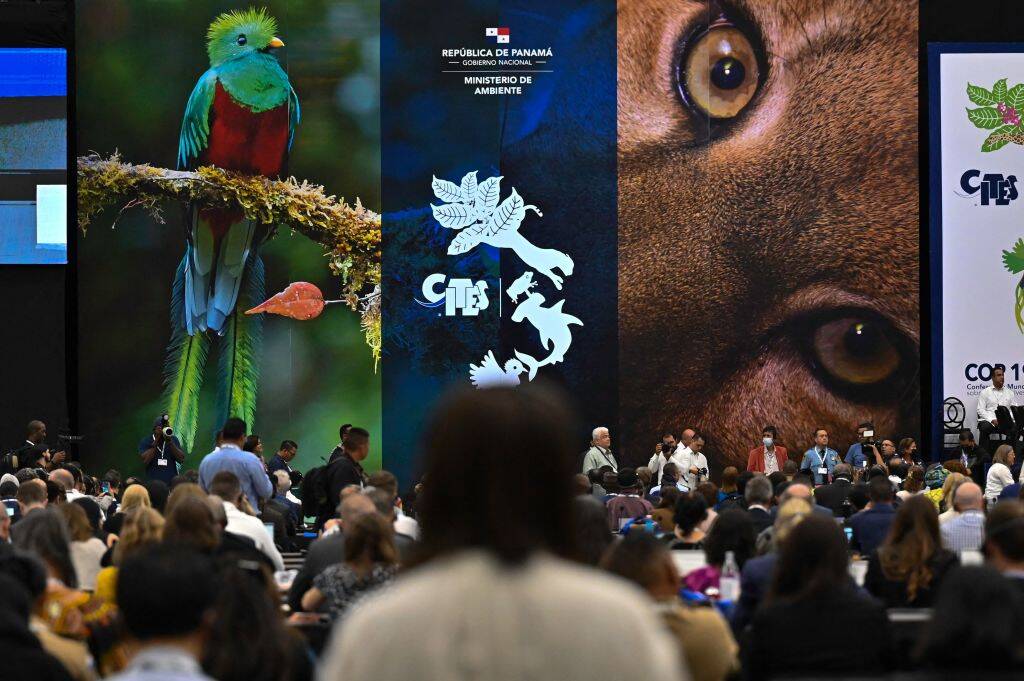
The dispute now moves to Geneva, where the CITES Standing Committee will consider India’s response to the Secretariat’s findings.
For the organisations, the issue extends beyond compliance with existing import requirements. They want assurances that Vantara’s future operations will not create additional demand for wildlife or undermine conservation efforts in countries of origin.
As the November meeting approaches, attention will turn to India’s strengthened verification procedures, the independence of Vantara’s oversight arrangements and the long-term welfare of thousands of animals already in its care.
The question is whether the temporary suspension of imports will translate into lasting changes in wildlife conservation, transparency and accountability.