A number in a conservation report can look deceptively simple. 36,280 elephants. A mortality figure. A population trend. A map showing a wildlife corridor.
Behind each number, however, is a costly system of field surveys, trained personnel, equipment, data verification, digital infrastructure and years of consistent observation.
The question facing African conservation authorities is increasingly not whether they need better data. It is whether they can afford to keep producing it.
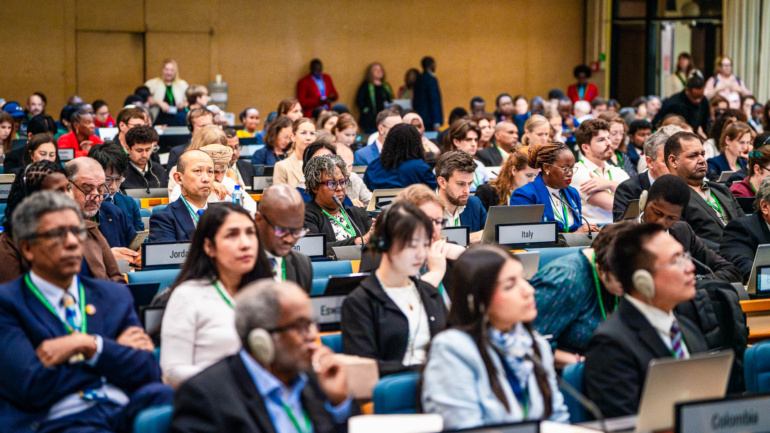
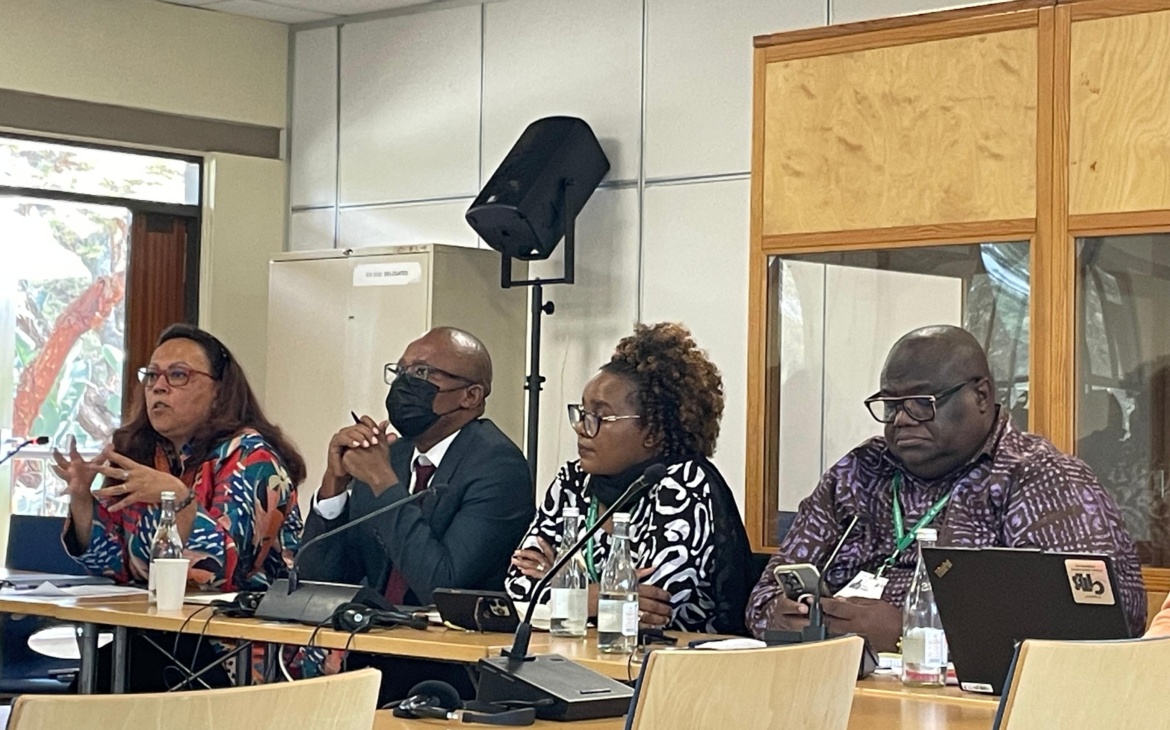
“Sustainable monitoring goes with sustainable investment,” emphasises Dr Patrick Omondi, CEO of the Kenya Wildlife Research and Training Institute, during a recent discussion on elephant monitoring at the 28th meeting of the Subsidiary Body on Scientific, Technical and Technological Advice (SBSTTA28) under the Convention on Biological Diversity (CBD).
Omondi argues that wildlife monitoring cannot remain dependent on short-term donor projects if governments are expected to use the resulting information to make long-term decisions.
Kenya provides a sense of the scale.
The country’s National Elephant Action Plan records an estimated 36,280 elephants in 2021, with the population distributed across multiple ecosystems and conservation landscapes.
Omondi highlighted the Tsavo Conservation Area of elephants, describing a single conservation landscape larger than Rwanda and containing Kenya’s largest elephant population and largest protected area.
“For a country like Kenya, one of our sites, the Tsavo Conservation Area, is bigger than Rwanda as a country,” he said. “And for you to collect this data, it is an investment.”
The challenge is not simply collecting information. It is maintaining systems that make information comparable and reliable over time.
The same principle applies at the international level.
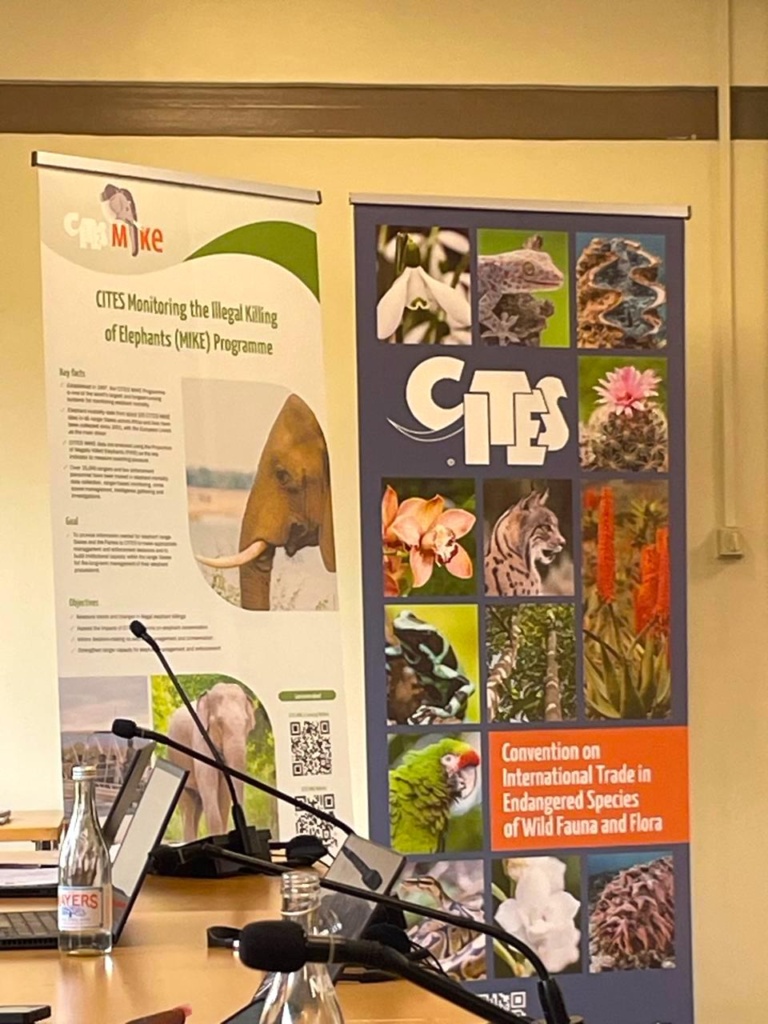
The CITES MIKE programme has spent more than two decades building standardised methods for monitoring the illegal killing of elephants. As of 2021, its African network had 69 sites representing more than half of the continent’s elephant population.
That long-term continuity is precisely what makes monitoring useful.
A single survey can show a population at one point in time. Repeated surveys can reveal a trend. A standardised trend can show whether a policy is working, while a sufficiently long trend can reveal when the conservation problem itself is changing.
That is what happened with Africa’s elephant strategy.
Omondi said a decade of data helped reveal that human-elephant conflict had become the continent’s priority concern, a shift now reflected in the African Elephant Action Plan.
The implication is important: conservation data is not simply used to measure whether a strategy is succeeding. Over time, it can tell policymakers when the strategy itself needs to change.
But monitoring systems themselves are facing a sustainability problem.
According to Adriana Rivera of UNEP, work with countries developing biodiversity monitoring plans has shown that many systems remain more aspirational than operational.
“Most of the monitoring systems are just a plan; they are not being implemented,” Rivera said. “There are a few programs like MIKE working, but not an integrated monitoring system.”
The underlying issue is financing.
“Monitoring is often funded without a long-term financing plan,” Rivera said.
That creates a mismatch between the nature of biodiversity and the way conservation projects are often financed.
Wildlife populations change over decades. Land-use decisions can affect ecosystems for generations. Species recovery can take years. Yet funding programmes can operate on much shorter cycles.
When a project ends, the animals do not stop moving. The threats do not disappear. Yet the people and systems tracking those changes can lose the resources required to continue.
For Omondi, national ownership is therefore essential.
He argues that donors can help sustain international systems, but countries themselves must finance the collection and verification of their national data.
“Our monitoring is too intense that it will not rely on the donor,” he said. “How we collect that data, how we verify it, is an investment that national governments must put money into.”
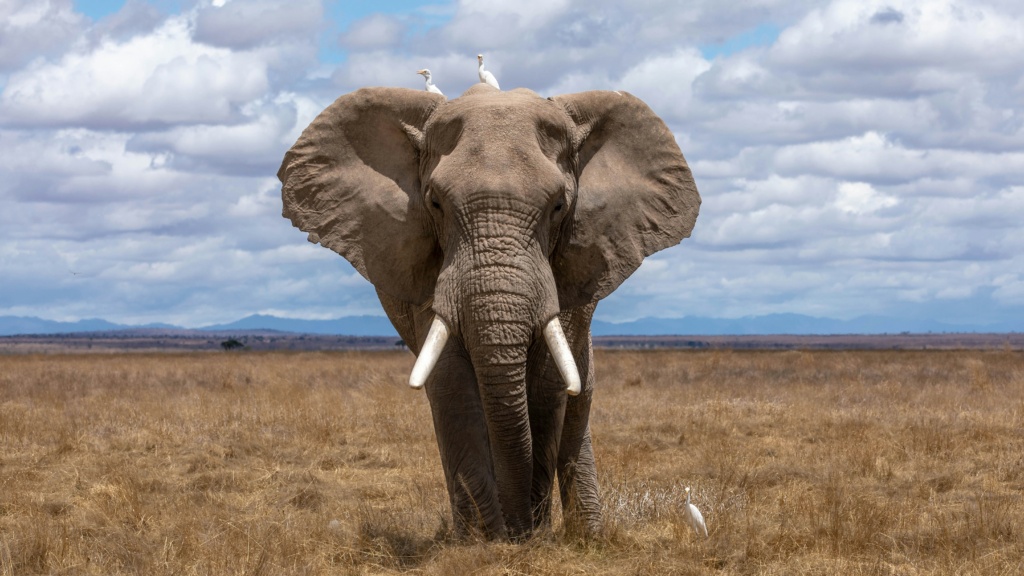
The Data on Elephants is Only as Valuable as the Decisions it Informs
The financing question, however, is also a question of political language.
Prof. Patience Gandiwa argued that conservationists need to change how governments understand the value of wildlife.
“What is most important above any initiative that we can think of is really having an investing-in mindset transformation across different sectors about the attitude that we have towards wildlife,” she said.
The problem, she argued, is that governments do not always have a clear picture of the economic value of wildlife.
That makes biodiversity compete for funding from a weaker starting position.
Health, education, roads and other sectors can often present their claims in terms of jobs, public services, economic growth and measurable returns.
Conservation, by contrast, too often presents its case in terms of ecological importance without translating that importance into the language of public investment.
Omondi believes conservation institutions have compounded the problem by talking primarily to people who already understand the argument.
“We tend to speak to ourselves,” he said. “We do not talk to people who matter,” including cabinet ministers, members of parliament and others who control funding and policy.
His example is Nairobi National Park.
Conservationists may understand the ecological value of the park, he said, but have not necessarily translated that value into terms that can compete with other demands on urban land.
“We have not sold its value to that person that wants to build real estate,” Omondi said.
That is where biodiversity data becomes political.
A map can show a wildlife corridor. A monitoring system can demonstrate that the corridor is shrinking. Neither, however, automatically guarantees that a government will protect it.
The information has to reach the people who make land-use, infrastructure and budget decisions.
“You cannot manage what you don’t know,” Omondi said, linking the value of monitoring to the need to communicate its findings beyond the conservation community.
The Kunming-Montreal Global Biodiversity Framework recognises this connection. Target 21 calls for the best available biodiversity data, information and knowledge to be accessible to decision-makers, practitioners and the public to guide governance and strengthen monitoring and knowledge management.
However, access is only one part of the equation.
The data must exist. The system producing it must be maintained. And the information must ultimately be translated into decisions.
Rivera argues that countries will need to diversify financing beyond donor and global-environment funds and bring biodiversity monitoring into domestic budgets.
The challenge, she acknowledged, is that conservation is competing with sectors such as health, education and infrastructure for limited public resources.
“We need to learn to compete with the other sectors,” she said.
That competition may ultimately determine whether Africa’s next generation of biodiversity monitoring systems survives.
The price of counting elephants is not simply the cost of sending people into the field or maintaining a database. It is the cost of building an evidence system capable of telling governments what is changing before the opportunity to respond disappears.
For a continent managing expanding human populations, changing land use, climate pressures and recovering wildlife populations, that may be one of conservation’s most important investments.
The real test is whether governments begin to treat biodiversity data not as a reporting expense, but as infrastructure for deciding what, and who, the future landscape can accommodate.