
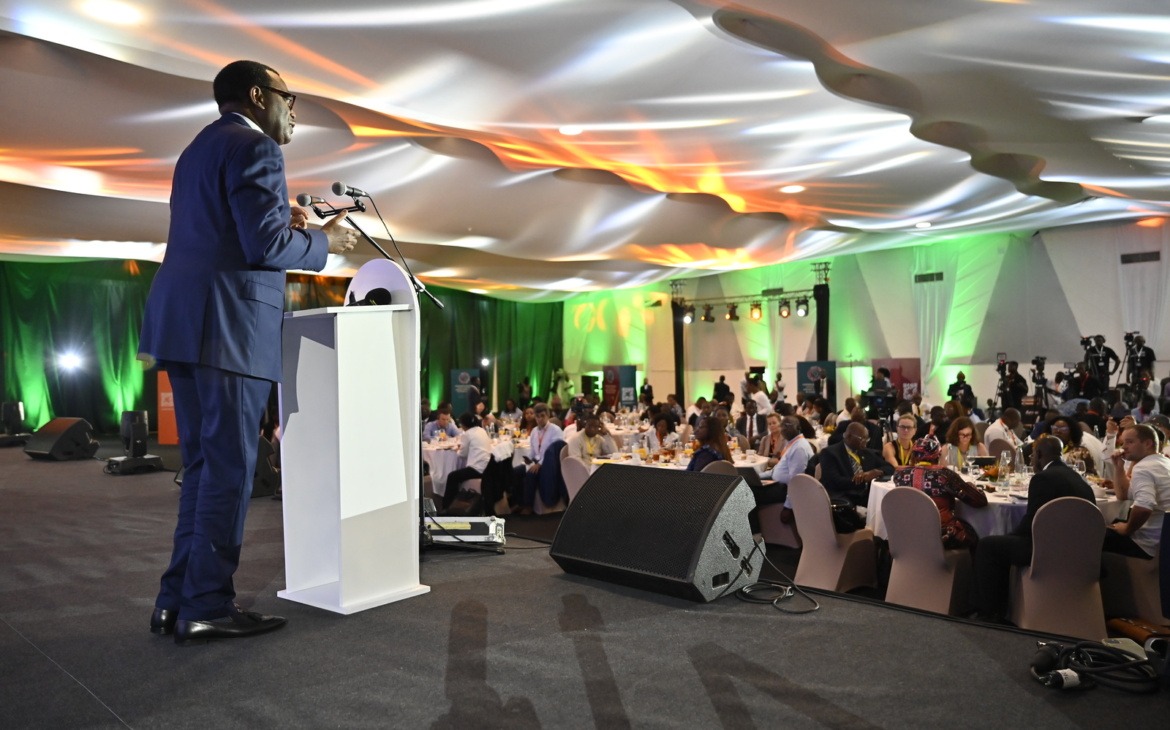
Continent Leaders convene under AfDB to strategize on building Africa from Within
The African Development Bank Group’s (AfDB) 2025 Annual Meetings commenced yesterday and will continue throughout the week, amid shifting winds in global trade.
The convention has acknowledged that over 47 of Africa’s 54 countries have been affected by new U.S. trade measures, with 22 facing tariffs of up to 50 percent on a wide range of exports.
In light of evolving U.S. foreign assistance priorities and reduced USAID funding, African nations are navigating a changing landscape where traditional forms of support can no longer be taken for granted.
With the theme “Making Africa’s Capital Work Better for Africa’s Development,” the meeting aims to unite nations and stakeholders in forging a collective approach to advancing the continent’s development.
This strategic theme urges African member countries to look within the continent, to identify and harness Africa’s diverse capital resources, including human, natural, financial, and commercial, and use them to drive structural transformation.
Amid the current global climate, the meetings offer participants an opportunity to address challenges, boost domestic production, build regional value chains, and negotiate from a position of strength.
Some African pan-Africanists view this moment as an opportunity not only to strengthen internal markets but also to diversify trade partners and assert greater control over the continent’s economic destiny.
According to AfDB President Dr. Akinwumi Adesina, recent policy shocks have triggered significant economic disruptions.
“When those currencies weaken,” he noted, “you’re going to find that high inflation becomes a problem… and the cost of servicing foreign currency debt is going to get worse.”
Offering solutions, Dr. Adesina outlined strategies that the AfDB and African countries can adopt to overcome the current challenges. These include constructive engagement with the United States, diversification of export markets, and, most crucially, the acceleration of the African Continental Free Trade Area (AfCFTA). This $3.4 trillion internal market could reshape the continent’s economic future.
This approach also calls for deepening regional markets, boosting local value addition, and rethinking how Africa mobilizes and deploys its resources not as fragments of foreign assistance, but as catalysts for large-scale, self-driven development.
It extends to leveraging Africa’s human capital, green energy potential, and vast natural resources, from lithium to labor, to secure fairer deals and drive value addition at home.
In addition to that Adesina reeled out the Bank’s biggest achievements, including the largest capital increase in its history, from $93 billion in 2015 to $318 billion; the record replenishment of the African Development Fund, raising $8.9 billion; and the half a billion Africans who have benefited from the Bank’s investments under his leadership.
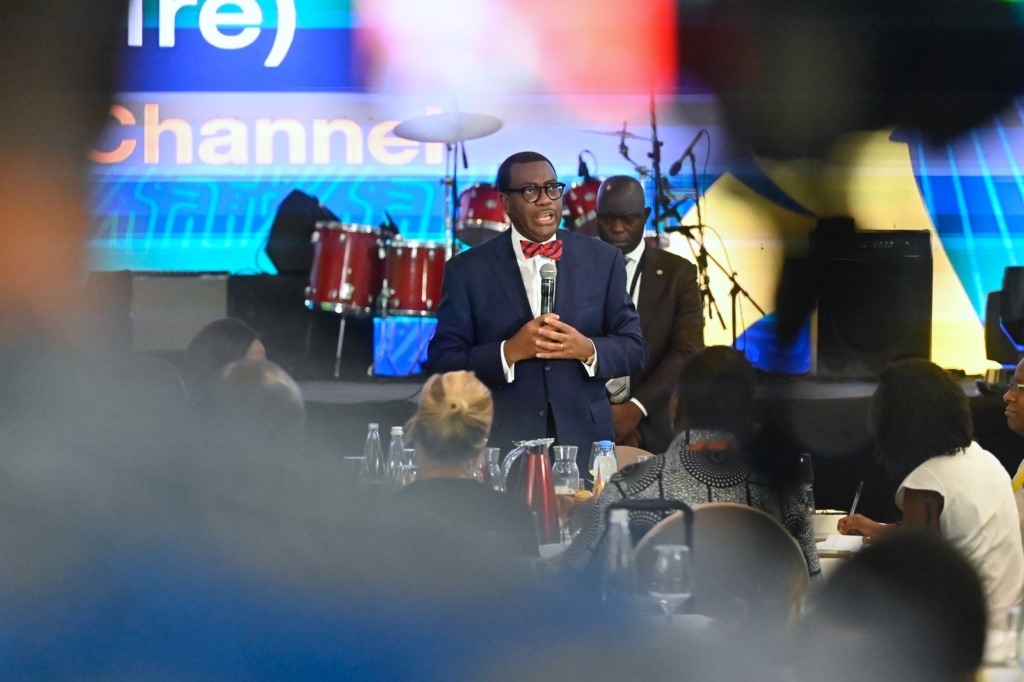
The AfDB Ascertains Its Role as a Premier Development Partner
For over a decade, the African Development Bank has laid the foundation for such a transformation. Since introducing the “High 5s” agenda, focusing on power, food, industry, integration, and quality of life, Dr. Adesina’s leadership has impacted over half a billion lives.
“The High 5s have impacted the lives of over 565 million people across Africa,” Adesina said. “These are not just figures. They are futures. They are hopes realized.”
The Bank has invested over $55 billion in infrastructure and mobilized more than $225 billion in investment interest through the Africa Investment Forum. It is also leveraging partnerships with multilateral development banks for transformative projects like Mission 300—an initiative aimed at bringing electricity access to 300 million Africans by 2030.
More than 6,000 delegates are expected to attend the meetings, including African heads of state and government, finance ministers, central bank governors, development partners, private sector representatives, civil society leaders, academics, think tanks, NGOs, and other key stakeholders.
“The African Development Bank you have today is not the African Development Bank you used to have. This is a global institution now,” he said about the impact and growth.
During the meetings, governors of the African Development Bank will elect a successor to current Group President Dr. Adesina, whose second five-year term ends on August 31.
As he finishes his term, Dr. Adesina emphasized that his successor has the responsibility as a leader to build on the past, to look far into the future, and to find within themselves what courage it takes to stand up for Africa’s interests.
“To make sure that Africa’s voice is never silenced on issues that matter globally and where it matters globally,” he said.


