As Africa prepares to host the Africa Climate Week and Africa Climate Summit in Addis Ababa, Ethiopia, the stakes could not be higher; hence, the Fossil Fuel Non-Proliferation Treaty will be on the ground advancing its call. The continent remains one of the most vulnerable to escalating climate impacts, yet global interventions continue to fall short of the urgency and scale required.
For African nations, this gathering is more than another high-level meeting, as it is a defining moment to champion Africa-led climate solutions that address both the crisis and the continent’s development aspirations.
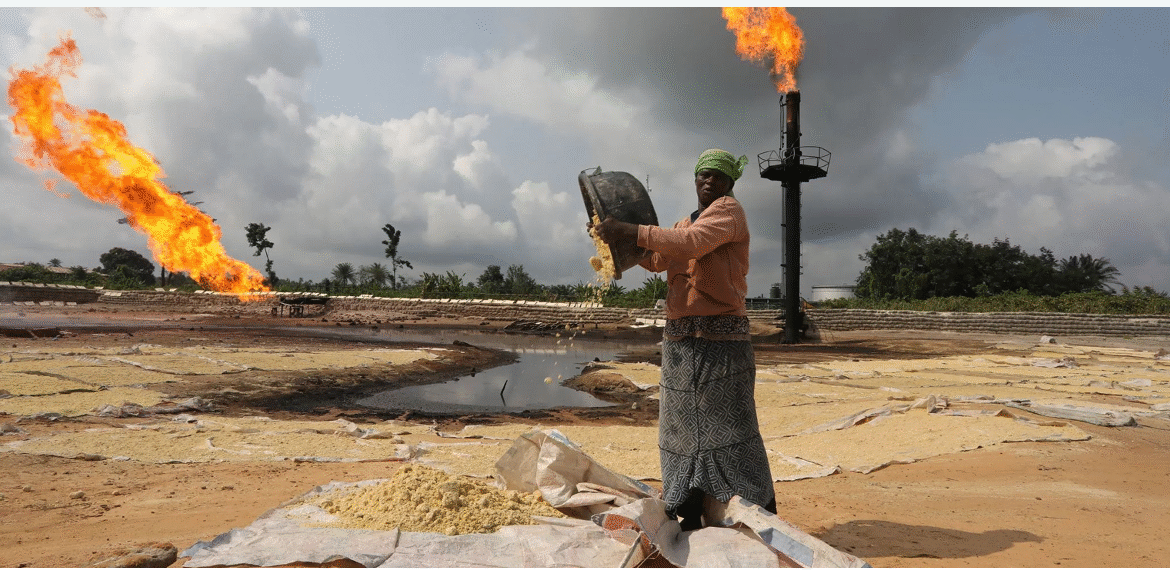
At the heart of the discussions lies a difficult truth: coal, oil, and gas remain the root drivers of the climate emergency. Tackling these fossil fuels head-on, while accelerating a people-centered transition to renewable energy, is vital for advancing universal energy access and sustainable development across Africa.
With COP30 on the horizon, African leaders now have the chance to set the global tone for bold climate action. By rejecting “false solutions” and advancing concrete, actionable plans for a fair and well-financed transition, they can inspire a global shift.
The Fossil Fuel Non-Proliferation Treaty Initiative, already supported by 17 nations from the Pacific, Latin America, the Caribbean, and Southeast Asia, is gaining momentum. Advocates see it as a framework that could complement the Paris Agreement while directly addressing the fossil-fueled crisis.
Throughout the week, the Treaty Initiative and partners will engage stakeholders in dialogues that connect art, activism, and policy. One highlight is the “All Power to the People – Pan-African Artists’ Pledge” gallery exhibit at Studio 11 Art Gallery in Addis Ababa.
Running from September 1st to 9th, the showcase unites creative voices from across the continent and the diaspora. Through bold imagery and cultural storytelling, the works remind audiences that art can both mirror lived realities and catalyze collective action for a just and sustainable future.
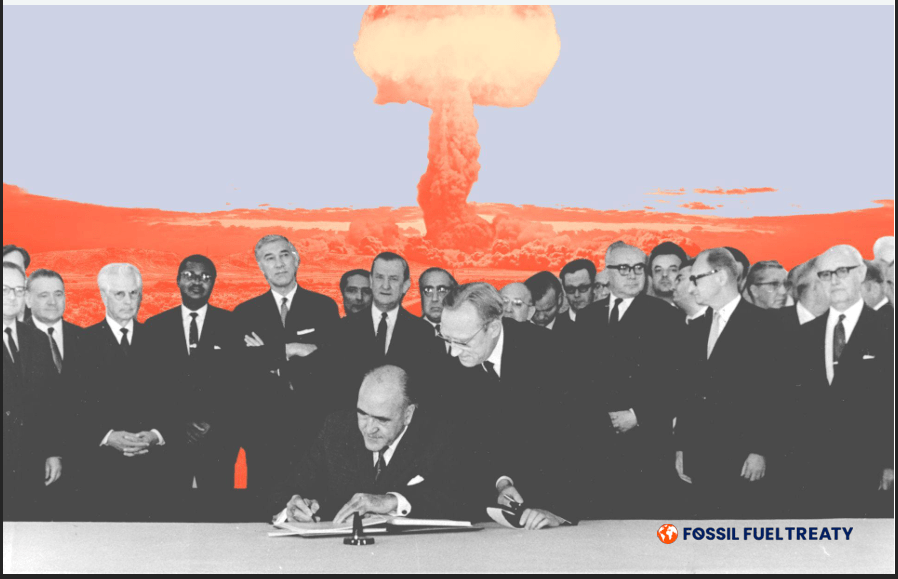
On September 9th, the summit will feature several side events exploring pathways for Africa’s just transition. “Beyond Emissions: Addressing the Supply Side of Climate Change for a 1.5°C Future” will highlight how multilateralism and frameworks such as the Fossil Fuel Treaty can complement existing climate agreements.
The Fossil Fuel Non-Proliferation Treaty will have another session called “Energy for Development: Financing Renewables for a Resilient African Future,” which will place the spotlight on financing renewables to strengthen resilience and deliver people-centred energy solutions.
Following it will be a session entitled “Transitioning Away from Fossil Fuels in Energy Systems,” which will bring together experts from academia, think tanks, and civil society to discuss national pathways for countries like Angola, Nigeria, and Kenya, and how cooperation can drive diversification and sustainable development.
Together, these dialogues are expected to amplify Africa’s voice in global climate politics. They will showcase how the continent can lead not just in highlighting vulnerability but in offering practical, justice-based solutions to the world’s greatest challenge.
For Africa, the summit in Addis Ababa is more than a meeting; it is an opportunity to reframe the global narrative and anchor climate action firmly in the principles of justice, equity, and resilience.
Author Profile

-
Seeker.
Inspire AFRIKA.
Latest entries
 Corporate15 October 2026Water, Sanitation and Digital Learning at the Centre of Garissa School Upgrade
 Agriculture14 October 2026Africa’s Food Systems Future Depends on Listening to Farmers
 Weather Forecasts13 October 2026Rain and Rising Temperatures Forecast Across the Greater Horn of Africa
 Climate9 October 2026Beyond Negotiations: Africa Expects Concrete Outcomes from Antalya