
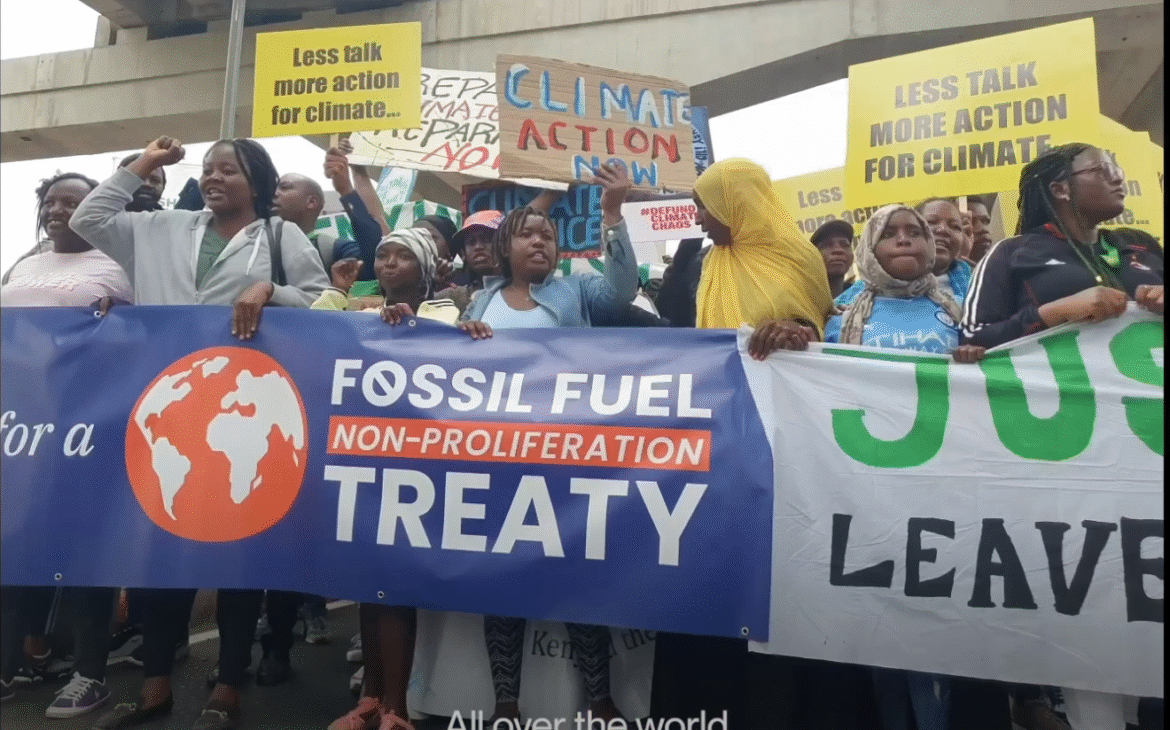
While Africa bears the least responsibility for greenhouse gas emissions from industrialization, it faces significant contention as it seeks to fully deploy clean energy. The Fossil Fuel Non-Proliferation Treaty is at the forefront of this effort, advocating for a complete shift to clean energy. The continent must, however, overcome pressing challenges, including financing inadequacies and limited technology transfers
Despite these hurdles, African leaders have issued a powerful call for deeper collaboration, bold action, and increased investment to accelerate climate solutions. Africa stands at a crossroads, keenly aware of its immense potential: abundant raw materials, a growing human capital, and vast tracts of arable land, all essential foundations for a prosperous green economy.
Ethiopian Prime Minister Abiy Ahmed, highlighting the continent’s potential to drive climate solutions, has proposed the launch of an African Climate Innovation Compact. This initiative aims to unite universities, startups, rural communities, and innovators in delivering 1,000 African solutions by 2030 across key sectors, including energy, agriculture, transportation, and climate resilience.
“To turn vision into reality, Innovation Compact I propose the launch of an African Climate, a bold, continent-wide partnership uniting our universities, research institutions, startups, rural communities, and innovators. By 2030, the Compact should aim to deliver 1,000 African solutions to tackle climate challenges in energy, agriculture, water, transport, and resilience,” said H.E. Abiy.
Prime Minister Abiy further emphasized the need for the world to view Africa as an investment partner, urging global players to invest in visionary African climate solutions and to replace climate aid with climate investment.
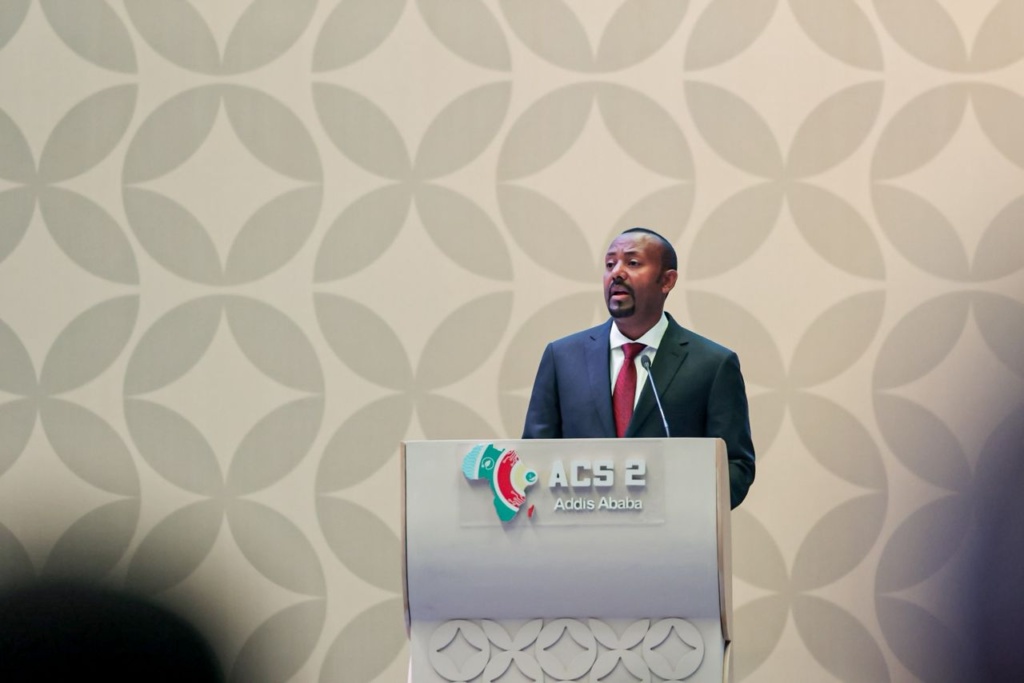
As the inaugural Africa Climate Summit began, it set the stage for critical discussions on finance, implementation, and Africa’s leadership in shaping global climate strategies.
Leaders stressed the importance of linking climate action with debt reform, fiscal space, nature restoration, and industrial transformation. This integrated approach is vital to ensure Africa receives fair value for its resources and secures a resilient future.
This message was echoed by Kenyan President William Ruto, the Summit’s host. He warned against isolationism in addressing the climate crisis, pointing to the urgent need for bold and sustained collaboration at regional and global levels.
These calls for collaboration from African leaders, coupled with their focus on improved investment and the intersecting climate and debt crises, powerfully strengthen the case for international cooperation through the proposed Fossil Fuel Non-Proliferation Treaty.
The Treaty proposal calls for precisely this kind of global collaboration to ensure a fair and financed transition from fossil fuels, specifically through debt alleviation, improved investment in renewable energy, and support for fossil fuel-dependent nations.
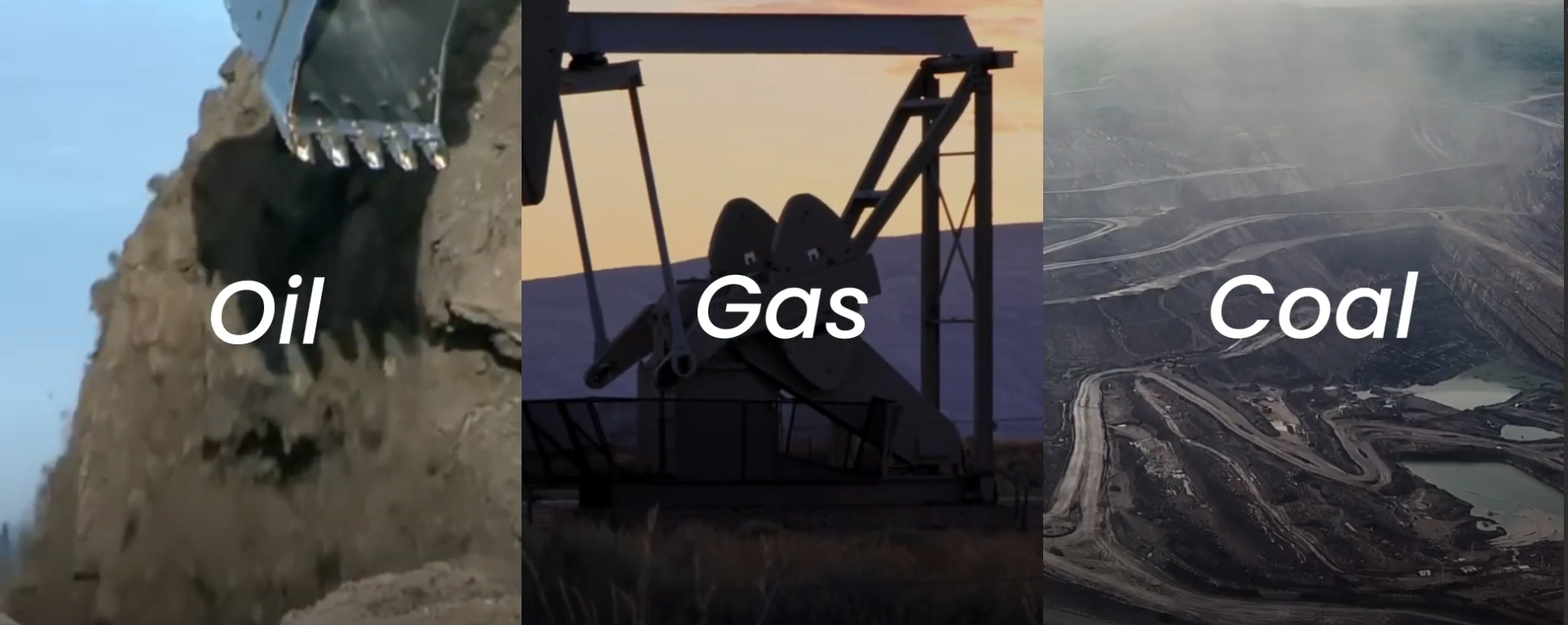
It aims to reinforce the Paris Agreement by providing a clearer pathway to stay within the 1.5°C climate target.
The proposed Treaty is anchored on three core pillars:
- A global just transition where wealthy nations provide technical support and finance to help developing nations transition, equitably expand renewable energy access, diversify their economies, and harness alternative development pathways.
- A fair phase-out requiring wealthy nations to phase out existing fossil fuel extraction first and fastest, while providing support to dependent developing nations.
- An end to the expansion of new fossil fuel projects globally.
As explained by Seble Samuel, Head of Africa Campaigns & Advocacy for the Fossil Fuel Non-Proliferation Treaty Initiative, there is no shortage of solutions to the climate crisis on the African continent.
“We have an abundance of renewable energy potential to power our communities and drive development, all while protecting our ecosystems and equitably shifting away from fossil fuels. However, Africa’s opportunities to harness this massive potential are mired by systemic barriers,” she stated.
Reiterating the call by President Ruto, the scale of the climate crisis calls for greater collaboration at all levels to enhance partnerships that support local innovation.
Seble emphasized that the proposed Fossil Fuel Treaty can be the platform to build meaningful, just, international cooperation to make the equitable phase-out of fossil fuels possible.
“It prioritises mechanisms to finance a just transition to renewable energy in the Global South, bringing communities, governments, and other stakeholders closer together in a collective vision of change,” Samuel said.
She further remarked that the Treaty could unlock the finance needed to scale African innovation and secure investments specifically geared towards a just transition to renewable energy.


