
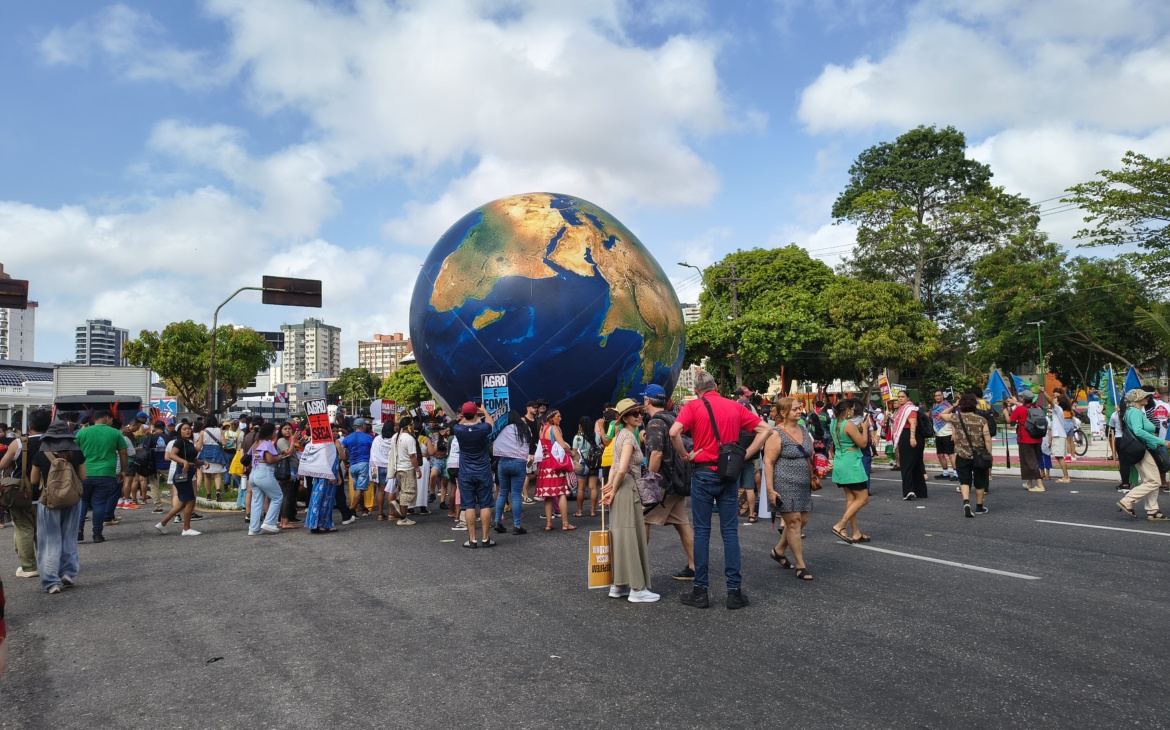
In a significant move to break the international impasse on fossil fuels, the COP30 Presidency has announced its support for the First International Conference on the Just Transition Away from Fossil Fuels. This endorsement positions the upcoming summit as the primary venue to develop a concrete roadmap for a managed phase-out of oil, gas, and coal extraction.
This decision comes after the UNFCCC’s consensus-based process once again proved a barrier to progress. The lack of a specific proposal to create a phase-out framework for developing countries ultimately led to the omission of a fossil fuel roadmap from the final COP cover decision text.
Attention now turns to Colombia, where this historic parallel conference will be held from April 28-29, 2026, in Santa Marta. Co-hosted by the government of the Netherlands, the summit aims to unite a coalition of ambitious countries ready to advance a fossil fuel phase-out plan based on increased international cooperation, including through the negotiation of a Fossil Fuel Non-Proliferation Treaty.
The stalemate in Brazil further strengthens the case for such a treaty, which is envisioned as a complementary framework for a just transition aligned with the 1.5°C goal.
The proposed Treaty would specifically unlock what COP30 could not: equitable phase-out timelines based on historical responsibility, robust financial frameworks to ensure a just transition for developing countries, and a binding non-proliferation mechanism to halt the expansion of new fossil fuels.
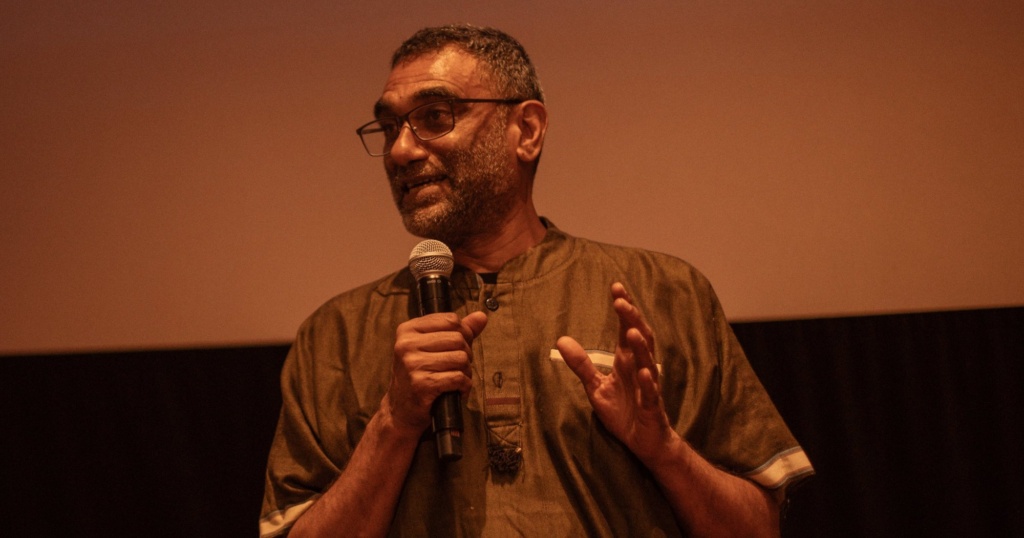
This growing momentum for a parallel track was emphasized by Kumi Naidoo, President of the Fossil Fuel Treaty Initiative, who lauded COP30 as the needed and relevant space to start building a fossil fuel-free future based on equity.
“The UNFCCC rules of procedure are clearly broken. We cannot afford to wait another year for another weak political signal while communities burn and drown. That’s precisely why Colombia and the Netherlands launched a parallel conference… for those willing to tackle these issues head on,” added Kumi.
Kumi Naidoo further added that the Treaty proposal is the highest just transition ambition roadmap available as it steps in as one that centres justice, equity, finance, and urgency.
Despite the failure on a fossil fuel roadmap, governments at COP30 did agree to develop a new Just Transition Mechanism, a significant step in operationalising justice within the UNFCCC process. This mechanism is designed to underpin the global transition through international cooperation, knowledge exchange, and technical support.
However, civil society voices were quick to highlight the gap between this procedural progress and the stark reality of the crisis.
Amiera Sawas, Head of Policy and Research of the Fossil Fuel Treaty Initiative, welcomed the fact that parties heard what communities, Indigenous peoples, women, and workers were calling for. In the remarks, Amiera pointed out that the Just Transition mechanism is a step in the right direction.
“However, we cannot sugarcoat the reality: global emissions and fossil fuel infrastructure are heading in the wrong direction, and this COP has done little to stop them,” Amiera added.
For many vulnerable nations, the proposed Fossil Fuel Treaty represents the most concrete, actionable, and financed pathway forward. This perspective was powerfully articulated by ministers from nations on the front lines of the climate crisis, who are championing the treaty initiative.
Maina Talia, Minister of Climate Change of Tuvalu, expressed the profound disappointment of small island states, revealing that Tuvalu and other AOSIS nations came to COP30 demanding a survival roadmap, yet left with an outcome that doesn’t even mention the main threats to our survival.
“The Fossil Fuel Treaty process is where real cooperation will happen… The logic is very simple: when we talk about the Treaty, we are talking about achieving the 1.5ºC climate goal,” said Talia
Echoing this urgency, Ralph Regenvanu, Minister of Climate Change of Vanuatu, framed the treaty not as a novel idea, but as a necessary application of proven multilateralism.
“For small island states, weak and empty promises mean existential threats… A Fossil Fuel Treaty is our best hope for securing a concrete plan,” he said. “We are trying to bring ambition back into this process… Multilateralism is the way to solve this. We have done it before, for nuclear weapons, landmines, and saving the ozone layer; there are precedents. We are here at COP30 to say get off this pathway to hell and help us all.”
The proposed Treaty’s momentum is bolstered by a growing bloc of 18 nation-states, including Cambodia, which joined during COP30, and by the recent historic Advisory Opinion from the International Court of Justice.
The ICJAO, by making the ruling, affirmed that states have a legal obligation to protect the climate and that international cooperation, including through treaties, is the foundation of meaningful climate action.


