
Under the intense heat of Belém, global leaders convened at COP30 to address one of the most pressing climate challenges of our time, extreme heat.
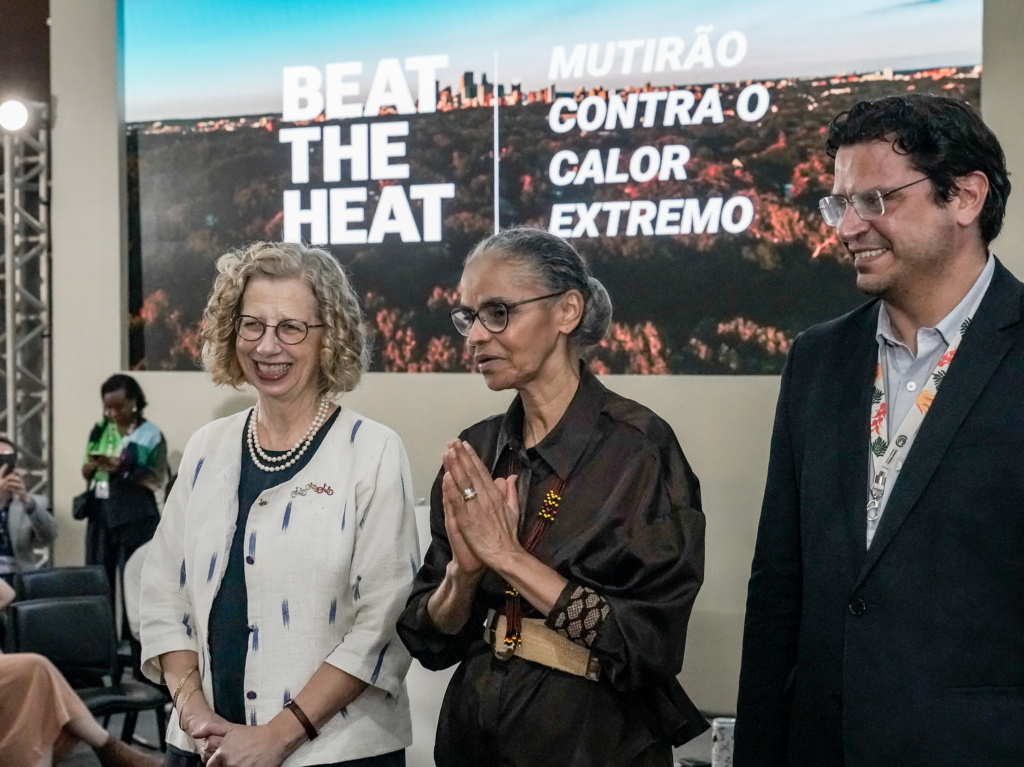
From these discussions emerged a coordinated call to action: Mutirão Contra o Calor Extremo in the local language, which translates as Beat the Heat, a global initiative grounded in Brazil’s tradition of community-driven collaboration.
Jointly launched by Brazil’s COP30 Presidency and the UN Environment Programme (UNEP), the campaign is designed to support cities, partners, and governments in implementing the Global Cooling Pledge.
Its objective is to close policy gaps, expand sustainable cooling solutions, and ensure that protecting communities from rising temperatures does not worsen global warming.
To date, 185 cities, 83 partners, and 72 national governments have joined the initiative. African cities are playing a notable role, with Nairobi, Kigali, Accra, and Dakar advancing heat resilience projects through the UNEP-led Cool Coalition.
“Beat the Heat is one of those initiatives that shows that mutirão works; people have to come together and work on what they understand,” said Ambassador André Corrêa do Lago, COP30 President-Designate.
Africa’s Cooling Imperative
For Africa, sustainable cooling is integral to core national priorities: energy access, public health, urban planning, and economic stability.
It’s notable how rising temperatures are already affecting productivity, health outcomes, and living conditions across rapidly growing urban areas. As such, with more than 600 million people still lacking reliable electricity, conventional air conditioning remains inaccessible to the majority.
Beat the Heat offers a practical path for countries to translate global commitments into local action. Passive cooling, such as reflective building materials, expanded tree cover, improved building design, and natural ventilation, provides immediate, low-cost benefits. It also supports job creation in architecture, construction, and urban forestry while reducing pressure on constrained energy systems.
In Kenya, early interventions, including cool roofing pilots, natural ventilation standards, and urban greening initiatives under the National Climate Change Action Plan (NCCAP), demonstrate the potential for scalable, locally relevant solutions.
Global Mutirão Lessons in Local Innovations
Despite growing momentum, global cooling policies remain uneven. Only 54 countries have robust frameworks covering building codes, appliance standards, and refrigerant transitions.
For many African nations, turning commitments into action will require accessible financing and technology support.
Nonetheless, progress is emerging, evidenced by several African countries integrating cooling into their Nationally Determined Contributions (NDCs) and National Adaptation Plans (NAPs). Regional institutions such as IGAD and the African Union are also beginning to prioritize cooling as a core component of climate resilience and public health.
In Nairobi’s informal settlements, residents and community groups are implementing small-scale solutions such as reflective roofing paint, ventilated housing prototypes, and micro-greening. These efforts align closely with the global emphasis on equitable and people-centered cooling.
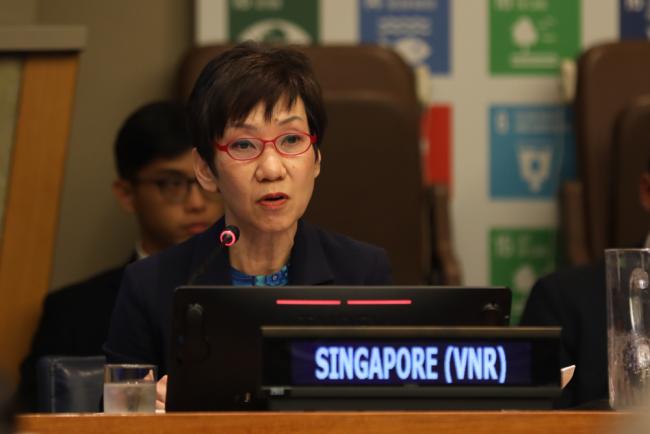
Cities worldwide are now sharing data, best practices, and technologies to strengthen urban heat resilience. “Through our Digital Urban Climate Twin, we aim to empower cities globally to model, predict, and mitigate urban heat,” noted H.E. Grace Fu, Singapore’s Minister for Sustainability and the Environment.
In India, the State of Tamil Nadu has adopted a structured approach to heat governance. “From declaring heat as a state-specific disaster to developing Heat Action Plans, Tamil Nadu has built a comprehensive model for heat management,” said Dr. J. Jeyaranjan, Executive Vice-Chairman of the State Planning Commission.
“By joining Beat the Heat, we can share our data-driven approaches and learn from others.”
Beat the Heat emphasizes a critical message: cooling is a basic need linked to health, productivity, and safety. Africa’s growing involvement reflects both its vulnerability and its potential to lead in shaping sustainable and inclusive cooling solutions.
“We have no excuse,” UNEP Executive Director Inger Andersen stated. “It’s time we beat the heat.”
As COP30 highlighted the urgency of rising temperatures, one consensus became clear: the global response to extreme heat will be a defining factor in the next phase of climate action.
For Africa, the Mutirão is more than a campaign; it represents an opportunity to lead, innovate, and define a fair and sustainable cooling future.


