
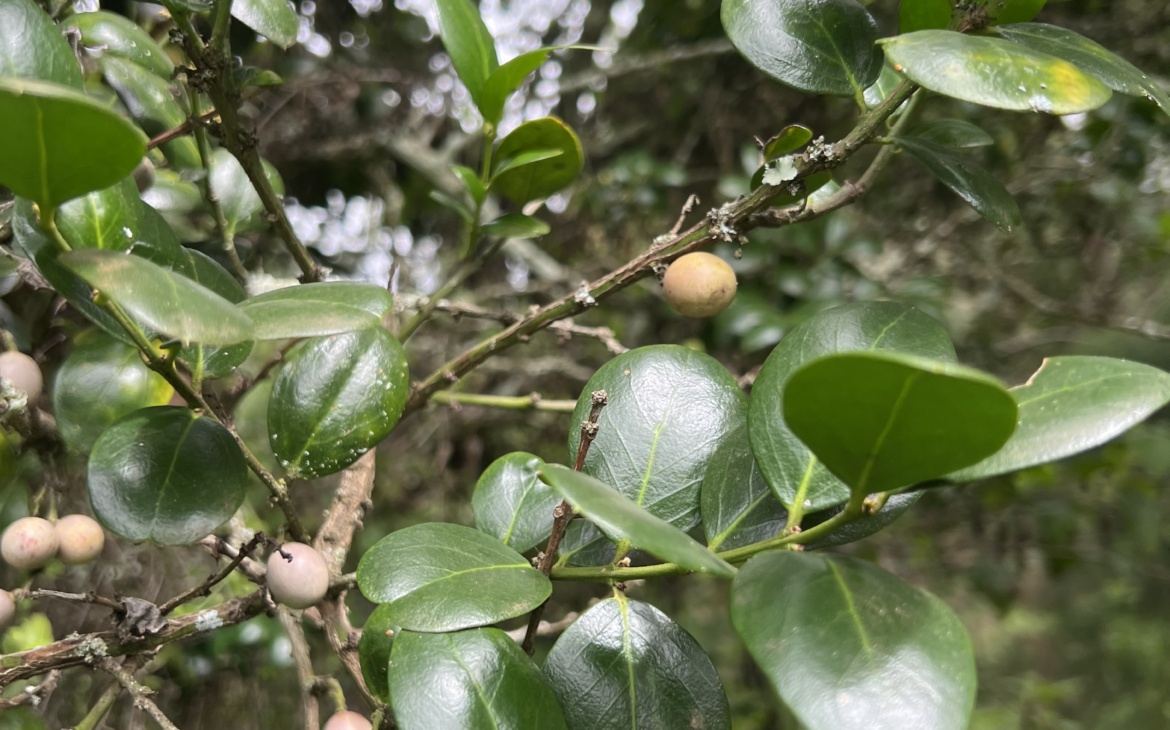
In the semi-arid landscapes of Machakos County, where rainfall is as unpredictable as livelihoods are fragile, climate action has often been framed as something delivered to communities. Over the past five years, one women- and youth-led organisation has been quietly proving that lasting climate solutions work best when they grow from within.
The Greening Mua Environmental Initiative (GMEI), a community-based organisation rooted in Machakos, has spent half a decade implementing climate action initiatives that blend environmental restoration with livelihoods, health, and energy access.
A newly completed impact evaluation now offers rare, evidence-backed insight into what community-led climate action can achieve when local people, especially women and youth, are placed at the centre.
Operating across Kitanga, Kaseve, and Kyasila zones, GMEI’s work is anchored in five interlinked initiatives: reforestation, agroforestry, agribusiness, water and sanitation, and clean energy.
Together, these interventions target sustainable land management at the landscape level, recognising that climate resilience, food security, and household wellbeing are inseparable.
The evaluation set out to measure more than tree survival or technology uptake. It examined how GMEI’s interventions have shaped environmental restoration, community participation, income generation, access to basic services, and energy use, while also assessing poverty levels among beneficiary and non-beneficiary households using the Poverty Probability Index (PPI).
Women at the Centre of Change
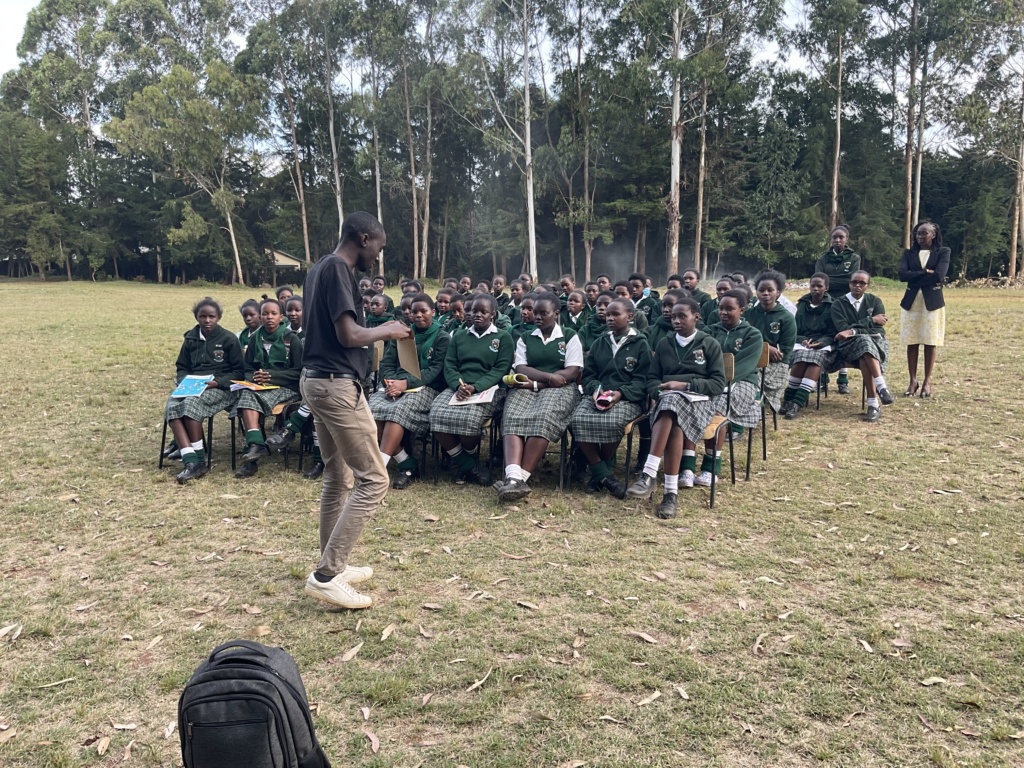
One of the most striking findings is who is driving this transformation. Women accounted for 56.6 per cent of all respondents, with particularly strong representation in Kaseve, where three out of every four respondents were female.
This, the study notes, reflects women’s central role in farming, conservation, and household decision-making across the project area.
Farming remains the main occupation for more than half of respondents, underscoring agriculture’s continued dominance in rural livelihoods.
At the same time, a significant proportion of households reported self-employment, signalling growing income diversification, an important buffer against climate shocks.
Education levels also shaped the programme’s outcomes. Most respondents had primary or secondary education, a factor that informed how training, climate information, and clean energy awareness were delivered at the community level.
Working With the Climate, Not Against It
Machakos County’s climate presents both opportunity and risk. The region experiences a bimodal rainfall pattern, with long rains from March to May and short rains between October and December.
These seasons are critical for rain-fed agriculture, yet are increasingly erratic. Peak rainfall months, April and November, are often followed by prolonged dry spells, particularly in June and August.
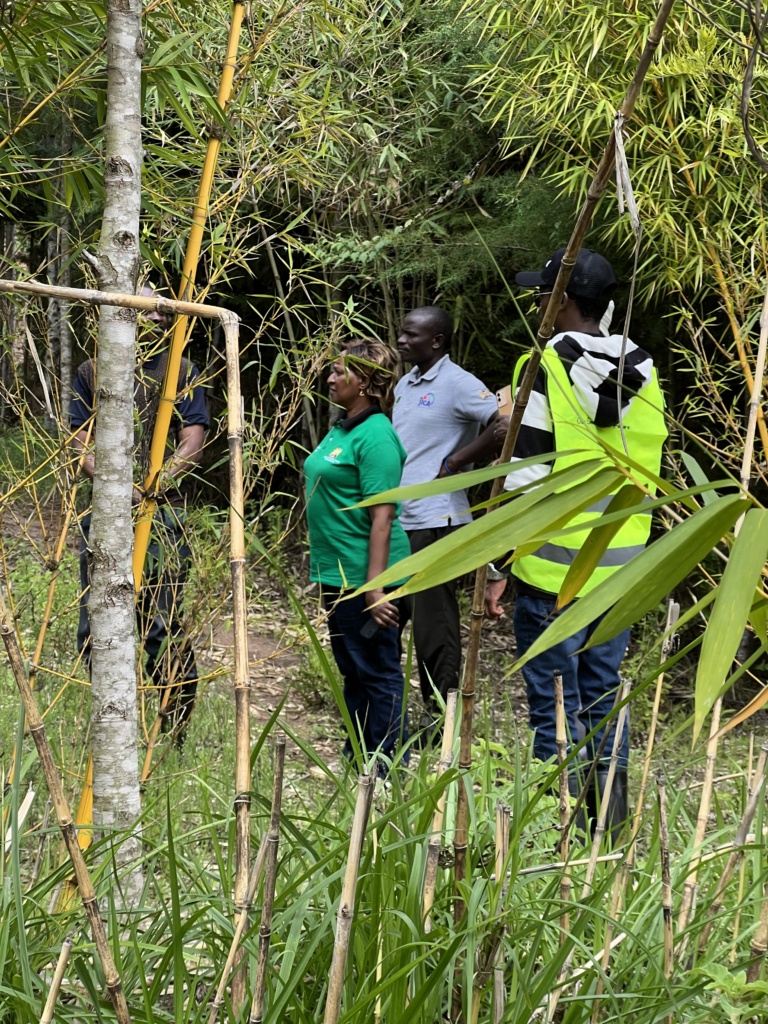
Against this backdrop, GMEI’s reforestation and agroforestry interventions were designed not only to restore degraded land but also to strengthen community engagement with sustainable land-use practices.
Trees and agroforestry systems became tools for soil conservation, microclimate regulation, and long-term productivity, rather than stand-alone environmental projects.
The evaluation also highlights how environmental gains were reinforced through agribusiness, water and sanitation, and clean energy initiatives.
Agribusiness interventions focused on improving livelihoods by strengthening value chains and promoting income-generating activities linked to sustainable land management.
Water and sanitation efforts addressed access to basic services, an often overlooked but critical dimension of climate resilience, particularly for women and children.
Meanwhile, clean energy technologies promoted under the GMEI project delivered multiple benefits. Households adopting these technologies reported improvements not only in environmental sustainability but also in health outcomes and household income, reducing dependence on costly and harmful energy sources.
Evidence From the Ground- Lessons for Community-Led Climate Action
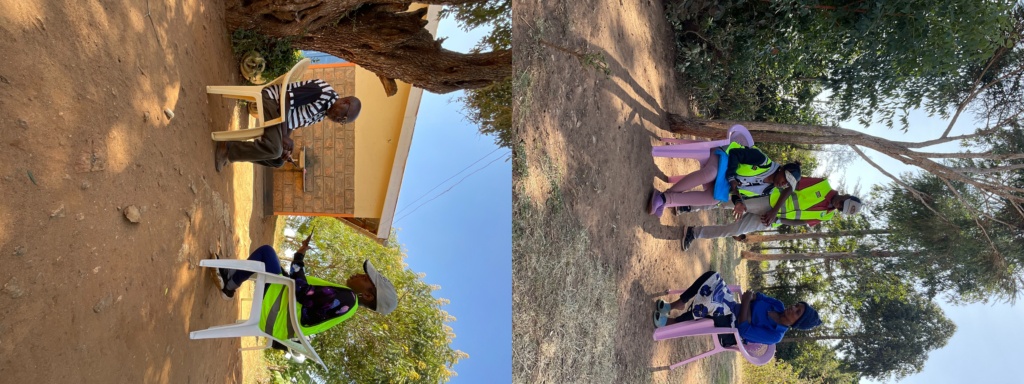
To ensure credibility, the evaluation employed a rigorous methodology. A proportionate sampling approach was used across the three zones, with 345 households sampled from a total population of 3,352. Households were randomly selected from village-level sampling frames, allowing for meaningful comparison between beneficiaries and non-beneficiaries.
This evidence-based approach enabled the assessment to identify gaps and lessons alongside successes, offering a roadmap for strengthening future interventions.
Five years on, GMEI’s experience offers a compelling lesson: climate action is most effective when it reflects local realities, seasonal patterns, and social structures. By integrating environmental restoration with livelihoods, basic services, and clean energy, and by placing women and youth at the centre, GMEI has demonstrated that grassroots initiatives can deliver measurable, multidimensional impact.
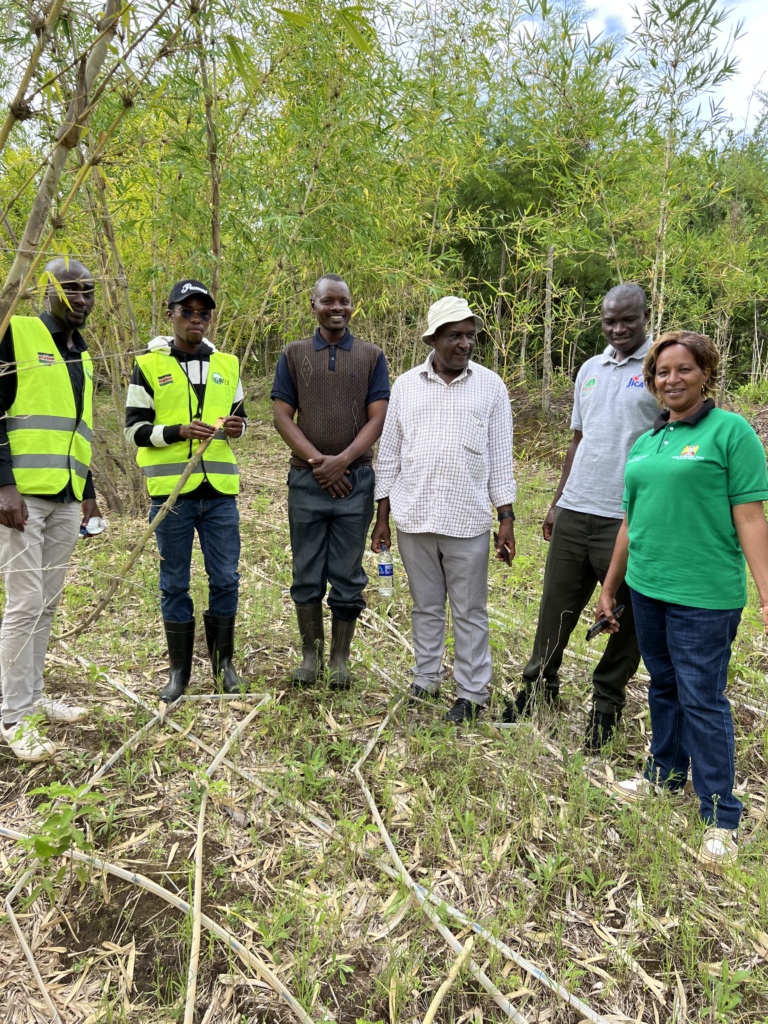
As climate pressures intensify across Kenya’s drylands, the findings underscore the importance of scaling community-led models that are rooted in evidence, inclusive by design, and responsive to both people and place.
From roots in local action to results backed by data, GMEI’s journey shows that climate resilience is not built overnight, but it can be built sustainably, one community at a time.
Author Profile

-
Seeker.
Inspire AFRIKA.
Latest entries
 Agriculture14 October 2026Africa’s Food Systems Future Depends on Listening to Farmers
 Weather Forecasts13 October 2026Rain and Rising Temperatures Forecast Across the Greater Horn of Africa
 Climate9 October 2026Beyond Negotiations: Africa Expects Concrete Outcomes from Antalya
 Animals7 October 2026In Kajiado’s Drylands, Collective Selling of Small Herds Is Changing the Livestock Trade


