
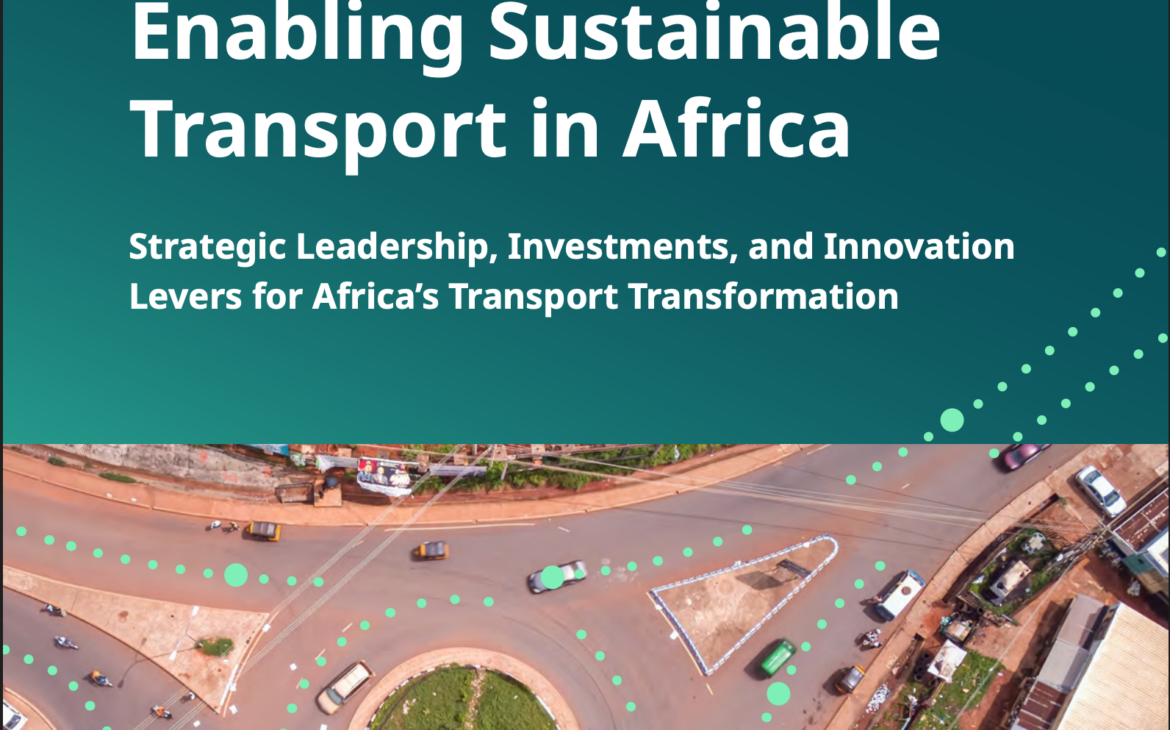
Africa’s transition to cleaner transport will not be decided by electric vehicles alone but by a whole value chain and systems approach that is entirely inclusive.
A new strategy backed by roughly 50 organisations across the continent identifies 12 critical turning points that could shape how Africa’s transport systems develop this decade, from the way governments plan cities and finance infrastructure to how countries approach electric mobility, freight and renewable energy.
Instead, it identifies moments where coordinated decisions could push African transport systems towards a cleaner, more inclusive and resilient future.
The central message is clear: isolated projects and small-scale pilots will not be enough, as the authors put it: “incremental progress, fragmented pilots and isolated projects will not deliver the scale of change required.”
For a continent where transport demand is expected to continue growing alongside urbanisation, population growth and expanding trade, the choices made now could lock in infrastructure and technologies for decades.
The report groups its 12 turning points around four broad priorities that involve leadership and policy reform, with a focus on how countries plan and govern transport; the second being the energy transition in transport, particularly the foundations needed for electric mobility; the third being sustainable and inclusive investment, with recognition that cleaner transport will require new approaches to financing on flagship initiatives that can help move promising ideas from individual projects to larger-scale implementation.
The individual interventions range from integrating popular transport into formal urban planning to developing regional automotive value chains, expanding domestic financing for electric mobility, creating investment and innovation hubs, and developing renewable-powered freight corridors.
Taken together, they point to a transport transition that is as much about institutions, finance and energy systems as it is about vehicles.
The transport Africa already has: Embracing Electric Mobility
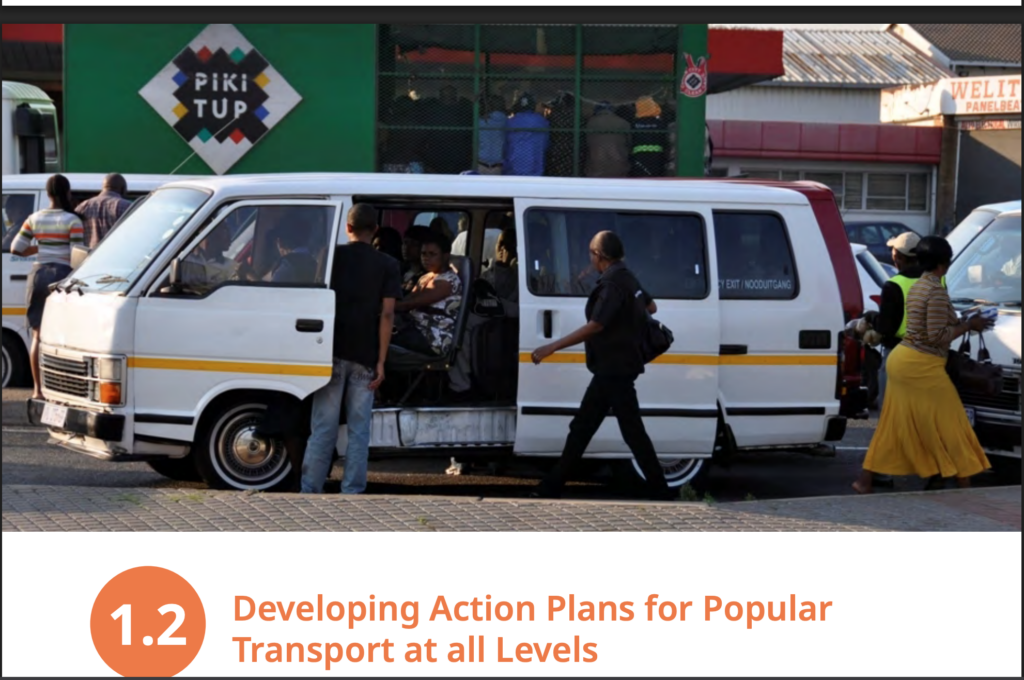
One of the report’s important observations is that Africa’s transport transition cannot simply be built around replacing conventional cars and buses with electric alternatives. Millions of Africans already depend on privately operated and demand-driven transport systems commonly described as paratransit.
The strategy calls for action plans on what it describes as “popular transport”, bringing these systems more deliberately into transport planning.
That matters because a transition that overlooks the transport systems already serving African cities risks creating policies that look good on paper but struggle to work on the ground.
The question is therefore not simply how quickly Africa can introduce electric buses or cars, but how existing operators, commuters and businesses can participate in the transition.
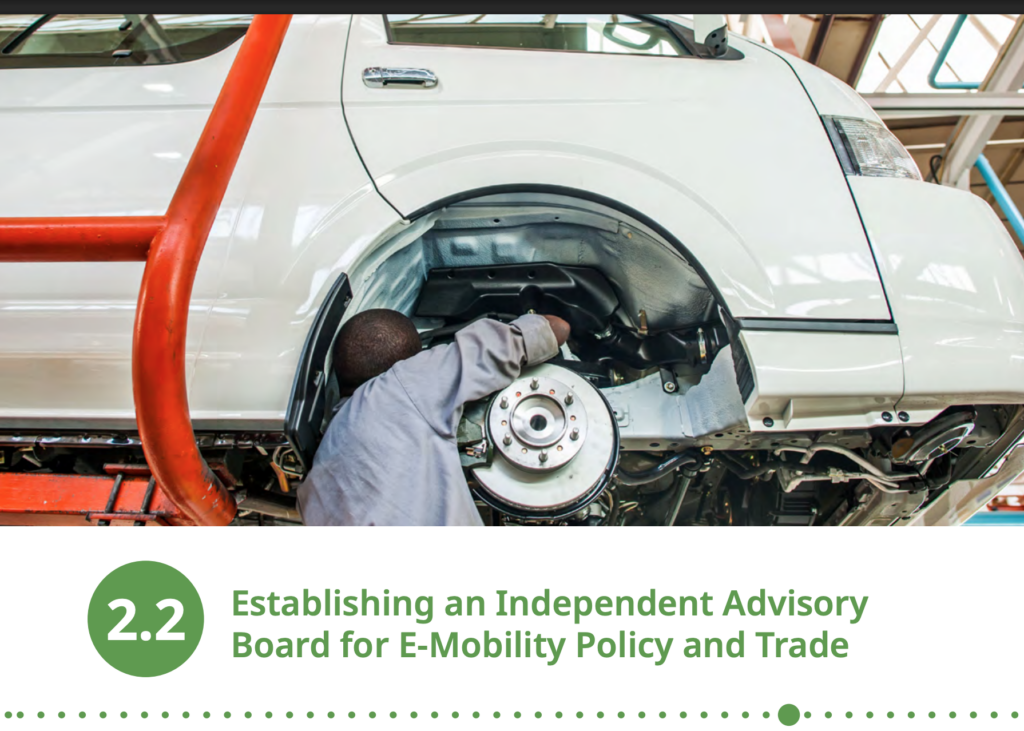
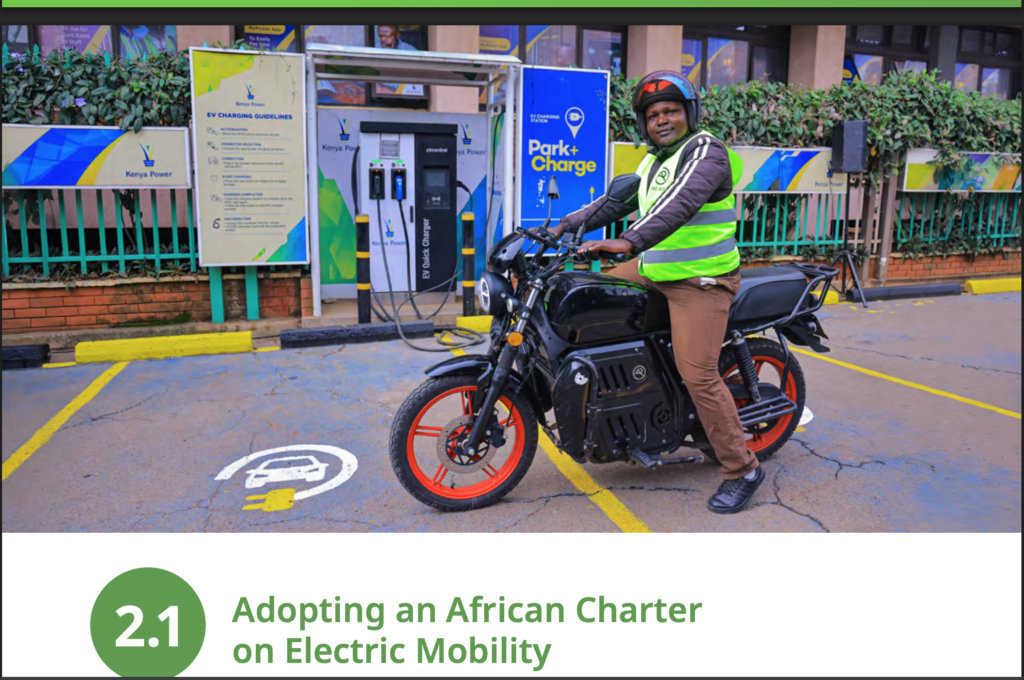
Electric mobility is one of the strongest threads running through the strategy. The report proposes a high-level advisory board to help accelerate electric mobility through common standards, coordinated investment and regional automotive value chains.
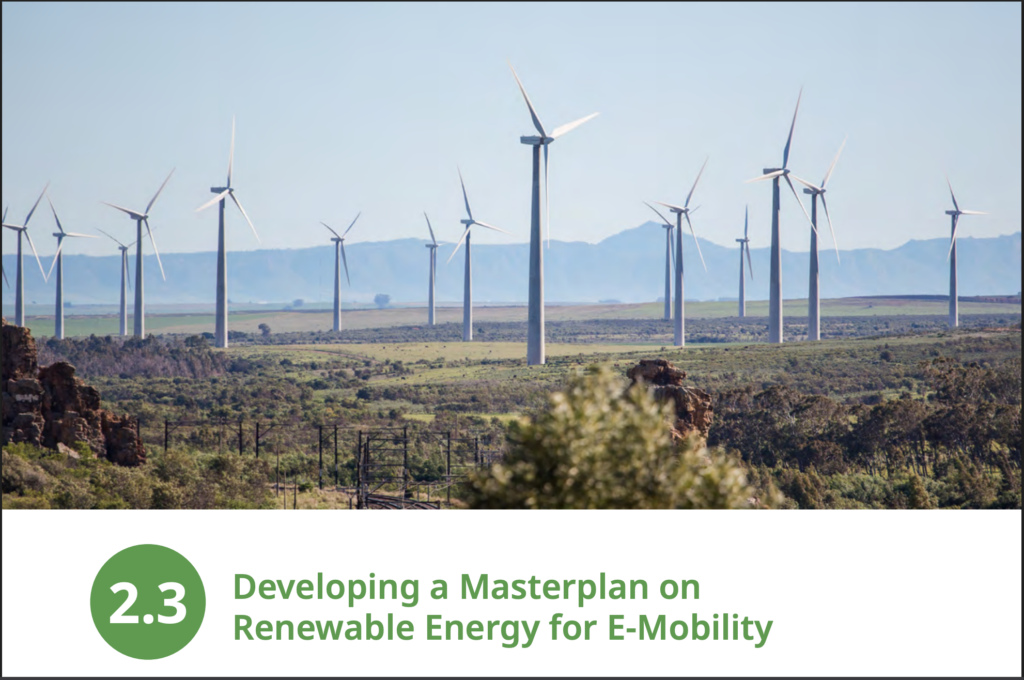
It also proposes a pan-African master plan for renewable energy for electric mobility, linking transport electrification with generation capacity, electricity grids and smart charging infrastructure.
That connection is critical. Electrifying transport without addressing where the electricity comes from, whether grids can support new demand and how charging infrastructure will be financed could leave countries with electric vehicles but weak systems to support them.
The opportunity, however, is broader than cleaner transport as the report sees electric mobility as a potential driver of green industrialisation, with African countries able to participate in emerging vehicle and component value chains rather than remaining only markets for imported technologies.
The African Union’s endorsement of the Continental Framework for E-Mobility at the end of April is cited by the report as one of the turning points already underway.
The challenge now is to turn continental commitments into national policies, infrastructure, investment, and markets.
Finance Hurdle as Freight Remains part of the transition
Transport transformation will also depend on money. Considering what the strategy calls for earmarked public budgets, regional pooling of infrastructure funds and dedicated credit systems that can expand domestic financing for electric mobility. It also proposes special economic zones and investment and innovation hubs focused on sustainable transport.
The emphasis on domestic finance is significant since African transport projects have often depended heavily on international development finance.
Expanding local financial systems could give governments and businesses greater capacity to support transport investments while reducing dependence on individual external projects. However, the scale of investment required means international partnerships will remain important.
The report therefore places financing within a wider system of cooperation involving governments, development partners, financial institutions, businesses and regional organisations.
Passenger transport often dominates conversations about electric mobility, but Africa’s transport future also depends on how goods move across the continent. The strategy highlights integrated freight corridors powered by renewable electricity.
That links transport with Africa’s wider push for regional trade and economic integration. Efficient freight systems could lower transport costs, strengthen regional supply chains and support the movement of agricultural and manufactured goods between countries.
Achieving that will require more than cleaner trucks. It will require infrastructure that crosses borders, compatible standards, reliable electricity, investment and stronger coordination between countries. This is where the report’s emphasis on regional action becomes important.
A continental strategy, but a national test
The report was developed through two stages. GIZ and Agora Verkehrswende, working with researchers from the University of Cape Coast in Ghana and the University of Cape Town in South Africa, first reviewed policy debates, evidence and emerging transport practices across African countries.
The findings were then tested and refined with around 50 decision-makers, experts, researchers, private-sector representatives and regional organisations.
Those involved included the African Union, national ministries, city governments, academia, civil society, UNEP and the African Development Bank.
The breadth of the process reflects one of the report’s central arguments: transport cannot be transformed by one ministry or one institution acting alone.
Transport decisions affect energy, trade, industry, cities, public health, jobs and climate policy. That makes coordination essential.
In her foreword, H.E. Ms Lerato Dorothy Mataboge, African Union Commissioner for Infrastructure and Energy, describes the 12 turning points as potential triggers for wider change across the continent.
For her, the benefits extend beyond transport to regional trade, green industry, energy security, inequality, public health and employment.
Christian Hochfeld, Director of Agora Verkehrswende, also argues that Europe has a role to play through investment partnerships with African countries.
The opportunity, he says, is to make the shift to electric mobility beneficial for economies and livelihoods in both regions.
Daniel Bongardt, GIZ’s Team Leader for Infrastructure and Mobility, points to the growing number of African countries already seeing more electric buses, motorcycles and cars.
The momentum, he argues, can now be used to accelerate implementation, but momentum alone will not be enough.
The road ahead
The 12 turning points are ultimately less about predicting Africa’s transport future than identifying where decisions made today could influence it.
The choices include how cities plan for growing populations, how governments finance infrastructure, how informal transport is brought into formal systems, how electricity networks support vehicle electrification and whether African countries can capture some of the industrial value created by the transition.
For Africa, that makes the transport question much bigger than moving from petrol and diesel to electricity. It is about deciding what kind of transport systems the continent wants to build, and who benefits from them.
The strategy puts the responsibility on governments, cities, businesses, development partners and civil society to act together. The turning points are already appearing.
The bigger question is whether Africa can connect them.
Author Profile

-
Seeker.
Inspire AFRIKA.
Latest entries
 Biodiversity22 October 2026One in Five Tropical Biodiversity Sites Overlapped by Mining Concessions, COP17 Report Finds
 Biodiversity21 October 2026COP17 Opens in Armenia with Global Biodiversity Progress Under Scrutiny
 Biodiversity19 October 2026Yerevan Declaration Sets Tone for COP17 as World Leaders Demand Real Action on Biodiversity
 Changemakers19 October 2026How Earth Wise Storage Plans to Expand Smallholder Poultry Farming in Rwanda


