
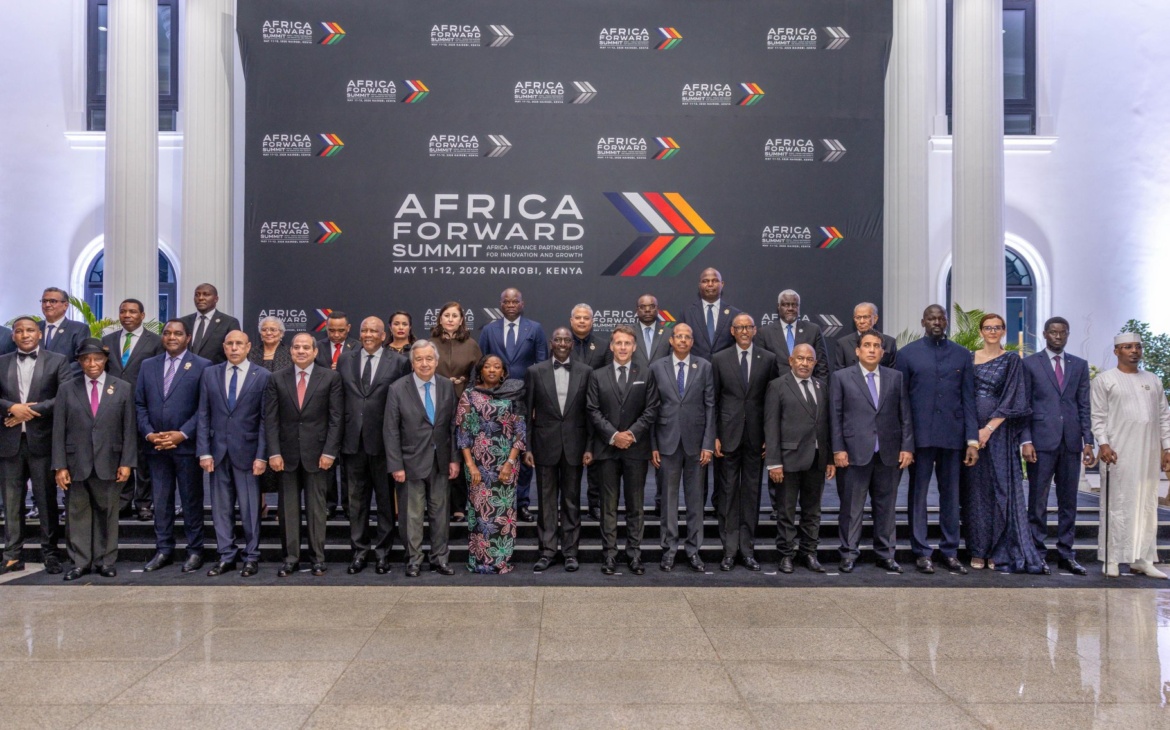
“The foundations of international order are being reshaped by geopolitics, persistent conflict, climate pressures, and widening inequalities,” President William Ruto told delegates at the Africa Forward Summit (AFS) in Nairobi.
Held at a pivotal moment in global affairs, the Africa Forward Summit, hosted outside traditional francophone centers, comes amid mixed sentiments across the continent about external influence.
President Ruto rejected fragmentation or isolation as viable paths, instead calling for renewed multilateralism and partnerships based on “sovereign equality, mutual respect, shared responsibility, and win-win engagements.”
Africa, Ruto emphasized, is a strategic partner in its own right, armed with the world’s youngest population and vast natural resources.
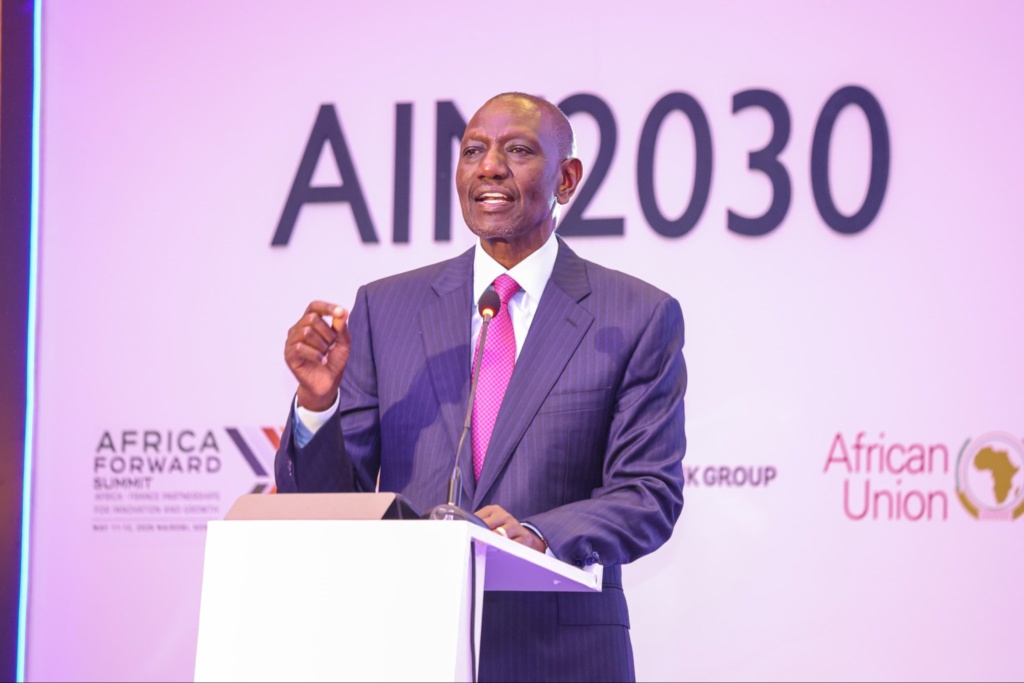
Key priorities discussed include scaling domestic resource mobilization, reforming the international financial architecture, improving transport and logistics, advancing energy transition and green industrialization, and empowering youth.
The green opportunity, and the financing gap
The continent is richly endowed with renewable energy potential that could underpin a transformative green industrialization drive.
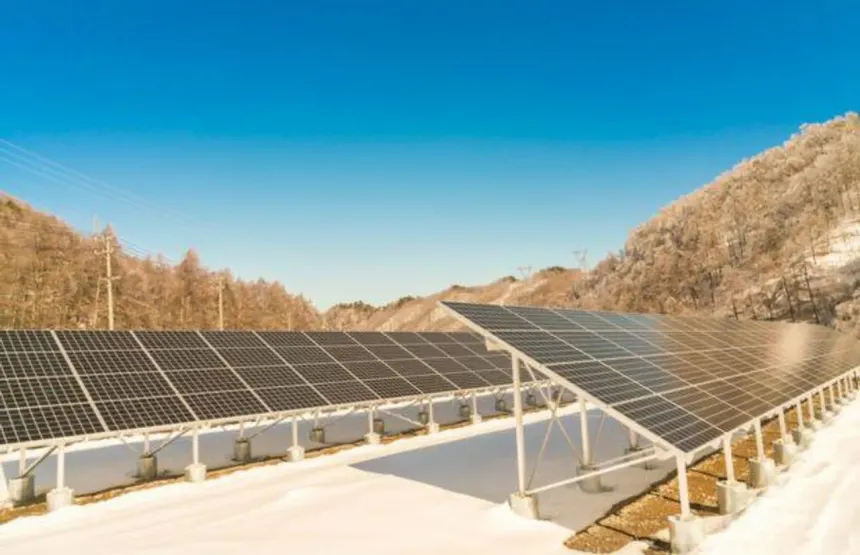
Africa possesses some of the world’s best solar resources, accounting for about 60% of global potential, yet holds only around 1% of installed solar PV capacity globally. Theoretically, its solar potential alone exceeds 10 terawatts (TW), with significant additional scope in wind, hydro, and geothermal.
Yet investment remains severely limited. International lenders often view African projects as high-risk, resulting in elevated interest rates that make borrowing expensive and unsustainable.
African governments typically pay a premium of roughly 4 percentage points higher on Eurobonds compared to Asian and Latin American countries with similar credit ratings, adding billions annually in extra debt servicing costs.
This structural inequality in the global financial system restricts Africa’s access to affordable capital precisely when it is needed most for climate-resilient development. As President Ruto noted, these asymmetric relationships are “neither sustainable nor just.”
Reforming risk and unlocking capital
One promising step is the establishment of the African Credit Rating Agency, which aims to counter longstanding distortions in risk perception that inflate the cost of capital for African nations.
Fairer ratings could narrow the spread between African and comparable emerging market borrowing costs, potentially saving billions in debt service.
“Africa must increasingly finance Africa,” Ruto declared. This vision requires both bolder domestic resource mobilization and smarter international partnerships that prioritize concessional financing, green bonds, debt-for-climate swaps, and blended finance instruments tailored to the green transition.
Path forward
For the green industrialization agenda to succeed, multilateral institutions and bilateral partners must move beyond rhetoric.
Reforms to the international financial architecture, such as those advocated in the Bridgetown Initiative and by the African Union, should include climate-sensitive debt sustainability analysis, increased SDR allocations, and dedicated facilities for green infrastructure with longer tenors and lower rates.
Africa’s leaders, for their part, must continue improving governance, policy predictability, and project bankability to reduce genuine risks and attract capital on better terms. The Africa Forward Summit offers a platform to translate these aspirations into concrete commitments.
Turning talk of sovereign equality into tangible financial equity will determine whether the continent’s green potential becomes reality or remains another missed opportunity.
Author Profile

- How can we learn if we don't question?
Latest entries
 Opinion & Analysis8 October 2026Why Africa Must Look to What Already Exists in Its Blue Economy
 Agriculture5 October 2026The Search for a Smarter Way to Feed Crops
 Events30 September 2026The Goat, the Market and the Dryland: Heifer International’s Push for Livestock Resilience
 Agriculture30 September 2026Digital Tools for Export-Ready Farming in Kenya


