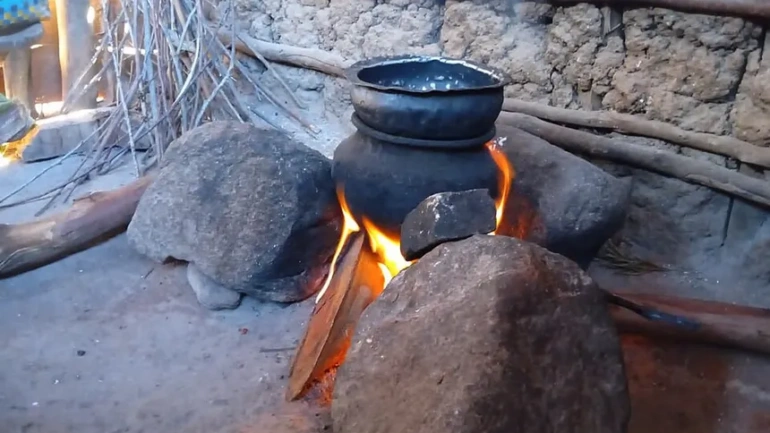
The African continent, renowned for its vulnerability to climate change, faces mounting challenges from the triple planetary crisis, climate change, pollution, and biodiversity loss, with a question lingering about how the Bamako Convention can be an answer.
A vital regional instrument addressing these issues is the Bamako Convention, formally known as the Bamako Convention on the Ban of the Import into Africa and the Control of Transboundary Movement and Management of Hazardous Wastes within Africa.
This treaty emerged in 1991 as a bold response by African nations to the global injustice of hazardous waste dumping. Developed countries, exploiting weaker regulations and economic vulnerabilities in Africa, had for years exported toxic waste, often illegally, to the continent.
The Bamako Convention was Africa’s unified stance against this practice, aiming to protect both human health and the environment by prohibiting the import of hazardous and radioactive waste, regulating its movement across borders, and promoting environmentally sound waste management.
According to Oludayo Dada, of African Expert on chemicals and waste-related multilateral earth agreements (MEAs) said providing a historical background on the problem of hazardous waste, exhorts African countries to take ownership of the effective implementation of the Bamako Convention, as the Basel Convention is not playing its role.
Despite its ambitious objectives, the implementation of the Convention has faced significant setbacks. Chief among these is the slow pace of ratification by member states.
Based on discussions at a side event during the 2025 Basel, Rotterdam, and Stockholm Conventions Conference of Parties (COPs), more work is needed to make the Convention fully operational. The event highlighted potential synergies between the Bamako and Basel Conventions but also revealed that overall ratification remains low.
As of 2020, only 29 African countries had ratified the Bamako Convention, with the most recent additions, including Angola, Guinea-Bissau, Liberia, and Rwanda, joining between 2018 and 2020. Environmental leaders have consistently urged more countries to ratify the treaty to broaden its continental impact and better shield Africa from toxic imports masked as trade.
Dr. Dawda Badgie of The Gambia emphasized that “environmental pollution knows no boundaries,” stressing that the Bamako Convention must act as a continental shield against disguised toxic dumping. His sentiments underscore the urgency of collaborative environmental governance across Africa.
The Convention defines hazardous waste to include substances with characteristics such as toxicity, flammability, and corrosiveness; radioactive materials from human activity; products banned or severely restricted for health or environmental reasons; and other waste categories defined by national regulations. This broad scope empowers countries to define additional waste types as hazardous based on their local contexts.
Originally negotiated by 12 African nations under the former Organization of African Unity (OAU) and adopted in Bamako, Mali on January 30, 1991, the Convention entered into force on April 22, 1998. Its Secretariat is hosted by the United Nations Environment Programme (UNEP) in Nairobi, following a decision made during the first Conference of the Parties (COP) in 2013.
Speaking during COP 3 in 2020, Arlette Soudan-Nonault reminded attendees of the intrinsic link between a healthy environment and human wellbeing. “With the commitment and concrete actions of everyone, I am sure that we will be able to meet the challenge of implementing the Bamako Convention,” she said.
As Africa continues to face climate threats and environmental degradation, the Bamako Convention remains a powerful tool, one that needs robust political will, stronger institutional frameworks, and continent-wide commitment to unlock its full potential in addressing the triple planetary crisis.
Author Profile

-
Seeker.
Inspire AFRIKA.
Latest entries
 Biodiversity23 October 2026Inside Kobe’s Grassroots Effort to Train the Next Generation of Biodiversity Leaders
 Animals23 October 2026As COP17 Meets, World’s Rarest Great Ape Faces a Make-or-Break Test in Indonesia
 Biodiversity22 October 2026One in Five Tropical Biodiversity Sites Overlapped by Mining Concessions, COP17 Report Finds
 Biodiversity21 October 2026COP17 Opens in Armenia with Global Biodiversity Progress Under Scrutiny