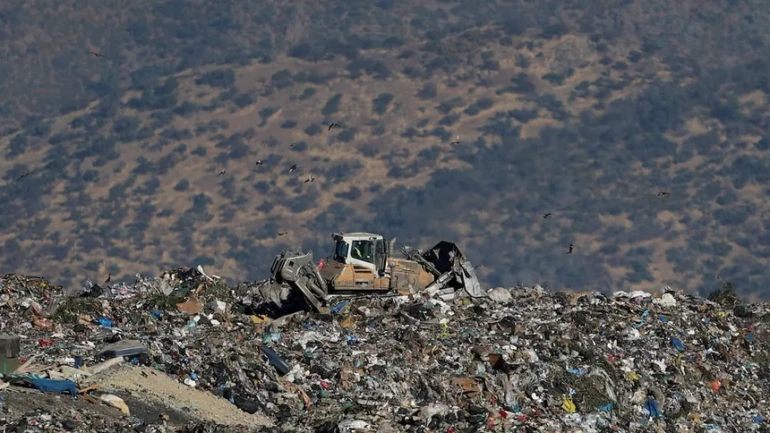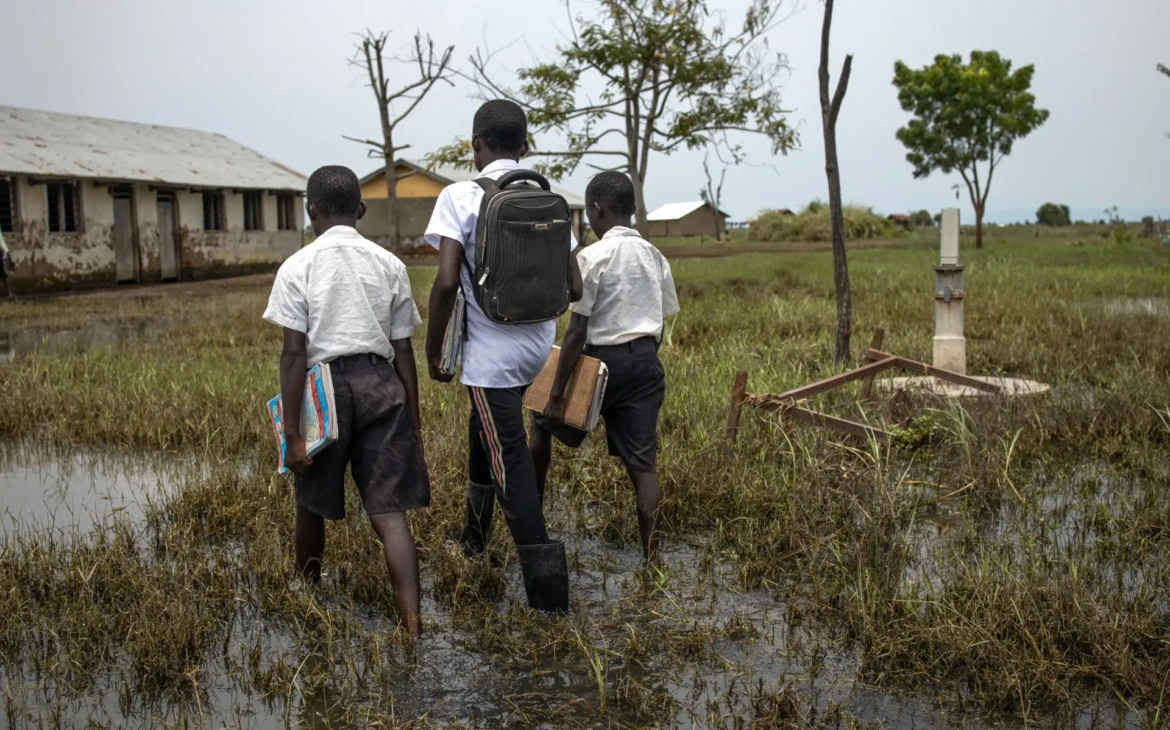
Climate-related disruptions to education could cost Eastern and Southern Africa up to $380 billion in future earnings by 2050, a new report by UNICEF and Dalberg warns, highlighting a growing but often overlooked consequence of the climate crisis.
The report, Protecting Children’s Learning Futures: Quantifying Climate-Related Loss and Damage in Eastern and Southern Africa, finds that climate-related disasters have already caused $1.3 billion in direct damage to schools and education infrastructure, while disrupting learning for 130 million children across the region.
The analysis estimates they have already resulted in up to $140 billion in lost future earnings, an economic toll that could rise sharply as climate impacts intensify.
“Children are paying the highest price for a crisis they did not create,” said Etleva Kadilli.
“For the first time, this report shows the scale of climate-related loss and damage to education, yet the impact on children remains largely invisible in financing decisions. This must change.”
A Growing but Overlooked Burden
Across Eastern and Southern Africa, climate hazards are reshaping education systems in uneven but persistent ways. Floods and droughts dominate in the Horn of Africa and eastern subregions, while storms have had particularly severe impacts in the south.
Between 2005 and 2024, Kenya alone incurred an estimated $155 million in education-related losses due to climate-related disasters, largely driven by floods and droughts.
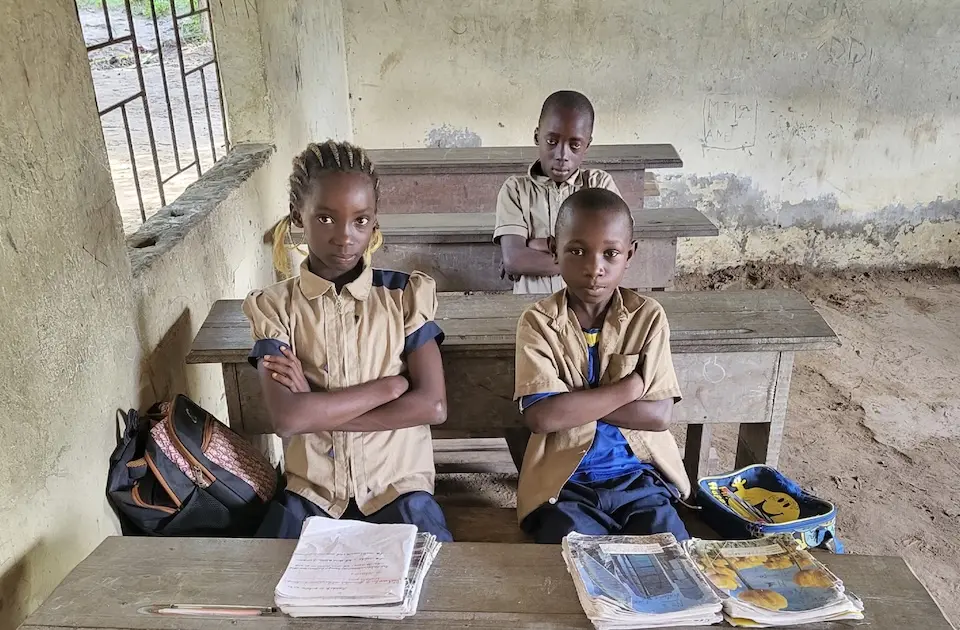
Extreme events are increasingly disrupting school calendars and learning continuity. The 2023–2024 El Niño, one of the worst in decades, left nearly 10 million people without food, water, or power. Schools were forced to shorten hours, close temporarily, or send students home.
In low-income countries, affected students lose an average of 18 days of schooling each year—equivalent to nearly 10 per cent of the academic calendar. For children in high-risk and marginalized contexts, including those in extreme poverty or informal settlements, losses are often significantly higher as multiple vulnerabilities compound the impact.
The Cost of Inaction
Despite these mounting pressures, education remains critically underfunded within climate responses, receiving less than 1.5 per cent of global climate finance.
Without stronger investment to anticipate and absorb climate shocks, losses are projected to escalate. Between 2025 and 2050, direct economic damage to education systems in the region is expected to reach between $3.3 billion and $3.8 billion.
Over the same period, climate-related learning disruptions could affect between 440 million and 520 million students, resulting in an additional $260 billion to $380 billion in lost future earnings.
The findings come as the Fund for Responding to Loss and Damage Board meets in Zambia, underscoring the urgency of mobilizing targeted financing to protect education systems from climate shocks.
Investing in Resilience
Strengthening education systems to withstand climate impacts not only protects learning but delivers significant returns, with every $1 invested generating up to $13 in benefits.
“These investments safeguard learning continuity and preserve children’s long-term development and productivity,” Kadilli noted.
“Without stronger prioritization in climate finance, education will continue to bear the brunt of climate impacts, driving repeated disruption.”
She added, “We must design education systems that anticipate shocks, protect early and foundational learning, and keep schools open. Otherwise, the true cost of climate loss and damage will be measured in lost human potential.”
The Policy Shift
The report calls for a fundamental shift in how education is integrated into climate policy and financing frameworks. Key recommendations include:
- Strengthening the inclusion of education in national climate strategies such as National Adaptation Plans (NAPs) and Nationally Determined Contributions (NDCs)
- Applying a climate-risk lens to domestic education financing, with a focus on protecting foundational learning
- Scaling international climate finance for education through mechanisms such as the Green Climate Fund, Adaptation Fund, and the Fund for Responding to Loss and Damage
You can also read: A Disaster Foretold