
From building climate-resilient infrastructure and improving access to clean energy to responding to floods, droughts and extreme heat, cities, counties and regional governments are increasingly central to delivering climate commitments.
Yet, the relationship between national climate ambitions and local implementation remains a challenge. While national governments establish climate targets and policies, local authorities are often responsible for translating these commitments into practical interventions, frequently without adequate resources, financing or involvement in decision-making.
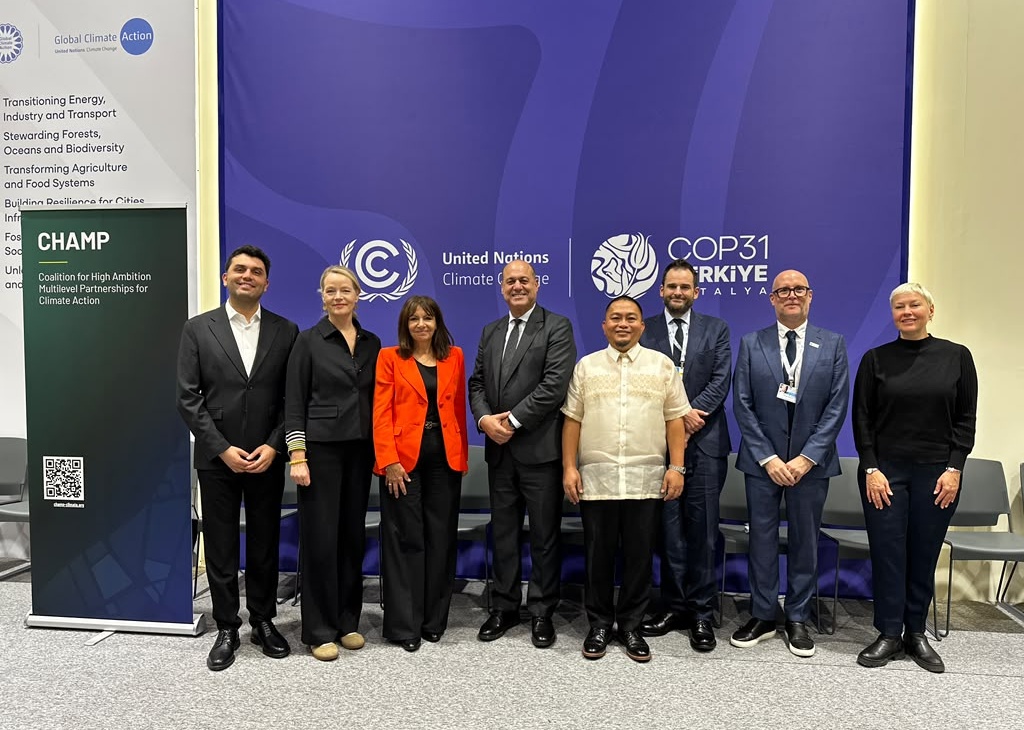
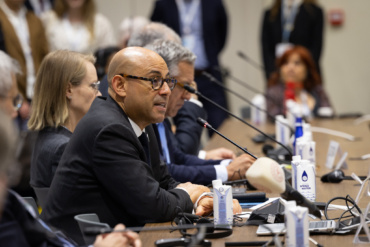
This disconnect was at the center of discussions during the second meeting of the Coalition for High Ambition Multilevel Partnerships (CHAMP) for Climate Action Subnational Advisory Council (SAC), convened on November 11, 2026, during the 31st United Nations Climate Change Conference (COP31) in Antalya, Türkiye.
Bringing together mayors, governors and regional leaders from five continents, the meeting sought to strengthen cooperation between national and subnational governments while identifying priorities for 2027.
It also saw the joint release of the CHAMP COP31 Statement by the Council and CHAMP Steering Group, marking the first time national and subnational leaders within the coalition had issued a common position on translating climate ambition into implementation.
The statement calls for stronger multilevel climate governance, deeper integration of local governments into international climate processes and increased investment in locally delivered climate action.
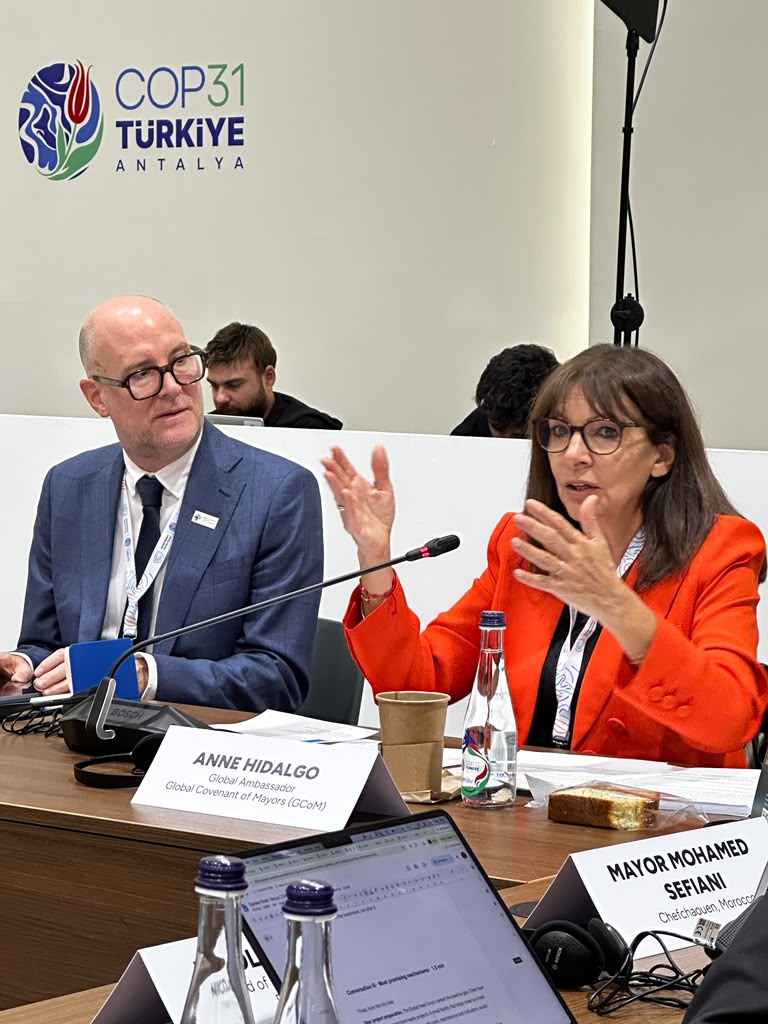
Anne Hidalgo, Chair of the CHAMP Subnational Advisory Council and Global Ambassador for the Global Covenant of Mayors for Climate & Energy (GCoM), said cities and regions were already delivering climate solutions, from affordable and resilient housing to addressing extreme weather and expanding access to clean energy.
“The Subnational Advisory Council exists to ensure this ambitious local action helps shape international goals and priorities, and that national governments and subnational leaders plan, finance and deliver together,” she said.
Bringing Local Governments into Climate Decision-making
Moreover, the statement prioritizes strengthening multilevel climate governance by ensuring that the experiences and expertise of local authorities inform international climate assessments and national policy decisions.
CHAMP is calling for greater recognition of subnational governments within the Second Global Stocktake (GST2), the process through which countries collectively assess progress towards the goals of the Paris Agreement.
The argument is that assessing climate progress should not rely exclusively on national commitments and reported achievements. Local evidence is equally important in understanding whether climate policies are delivering results on the ground.
Minister Thekla Walker of Baden-Württemberg, Germany, emphasized the importance of involving subnational leaders in shaping climate decisions rather than simply informing them of decisions made elsewhere.
“Climate commitments made at the national level are only as strong as the systems in place to implement them locally,” she said. “That is the kind of multilevel governance the Paris Agreement requires.”
For African countries, this discussion carries particular significance. Devolution and decentralized governance provide opportunities to bring climate planning closer to communities, particularly where local authorities understand the environmental pressures, development priorities and vulnerabilities affecting their populations.
Kenya offers an example through its county-level climate governance framework. The country’s Climate Change Act, 2016, requires county governments to integrate climate action into their development plans and policies.
County Climate Change Funds have also created mechanisms through which communities can participate in identifying and prioritizing local adaptation investments.
According to Kenya’s Financing Locally-Led Climate Action (FLLoCA) programme, all 47 county governments are participating in efforts to strengthen locally led climate resilience, including community-level planning, budgeting and implementation.
Such approaches demonstrate why local authorities need to be involved in shaping national climate priorities, rather than being treated merely as implementing agencies.
Turning national climate plans into local action

Beyond representation in decision-making, CHAMP is calling for stronger partnerships to translate Nationally Determined Contributions (NDCs), National Adaptation Plans (NAPs) and sectoral climate initiatives into coordinated action.
NDCs outline the climate commitments countries make under the Paris Agreement, while NAPs establish how they intend to prepare for and adapt to climate impacts. However, achieving these commitments requires coordination between national institutions and the governments responsible for delivering many interventions locally.
Ambassador Antônio Da Costa, CHAMP Co-Chair and Chief International Advisor at Brazil’s Ministry of Cities, said climate commitments must ultimately improve people’s lives.
“Cities, states and regions are where many climate solutions are delivered, from resilient infrastructure to clean mobility and adaptation,” he said.
“The CHAMP COP31 Statement is a call for national governments and subnational leaders to work as true partners, aligning ambition with implementation and turning climate commitments into tangible results for communities.”
Governor Eduardo Leite of Rio Grande do Sul, Brazil, similarly stressed that national ambition and local delivery must move together if climate targets are to produce tangible results.
For African governments, this coordination is particularly relevant as countries seek to address climate vulnerabilities while pursuing development priorities. County and municipal authorities are central to interventions involving water management, agriculture, urban infrastructure, natural resource protection and community resilience.
Unlocking Climate Finance for Local Governments

However, effective local implementation depends on more than policy coordination. Financing remains a significant obstacle for many cities and regional governments seeking to develop and implement climate projects.
CHAMP’s third priority therefore focuses on scaling up and unlocking climate finance. Its proposals include strengthening project preparation support, connecting local investment pipelines with financing opportunities and improving access to climate finance for cities, states and regions.
The challenge is particularly relevant in Africa, where local authorities face competing development priorities and limited resources for climate investments.
A CHAMP-led African dialogue on subnational climate finance in June 2026 highlighted the financing gap facing the continent. Africa requires an estimated US$155 billion annually to meet its climate and development goals, while approximately US$30 billion is mobilized each year.
The discussion identified limited access to financing, fragmented institutional arrangements and regulatory constraints as some of the barriers preventing local governments from attracting and deploying climate investments.
Kenya’s FLLoCA programme illustrates one approach to addressing this challenge by supporting county-level climate planning, strengthening institutional capacity and providing financing for community-prioritized resilience investments.
Mayor Mohamed Sefiani of Chefchaouen, Morocco, underscored the importance of making climate finance accessible to local authorities.
“Unlocking climate finance for cities and regions is a critical priority that CHAMP endorsing countries must seriously work towards. This is a subnational priority that requires communication with national governments to achieve,” he said.
Putting Vulnerable Communities at the Centre
Ultimately, the push for stronger multilevel climate governance is about ensuring that climate action responds to the needs of communities.
Local governments are often closest to populations experiencing climate impacts, including vulnerable coastal settlements, small island communities and areas exposed to droughts, floods and extreme temperatures.
Mayor Alfredo Coro of Del Carmen, Philippines, highlighted the importance of ensuring that frontline communities and local authorities have a place in climate decision-making.
“National climate targets cannot be achieved without frontline, vulnerable and active local governments at the decision-making table,” he said.
He pointed to PhilLOCAL in the Philippines as an example of localised governance connecting climate science, culture, digital tools and financing opportunities with vulnerable island and coastal municipalities.
The experience reinforces a broader argument relevant to African coastal communities and municipalities: climate policies must account for local realities and provide communities with the resources and institutional support needed to respond.
Setting the direction for 2027
As CHAMP looks towards 2027, its Subnational Advisory Council is seeking to strengthen cooperation between national and subnational governments around three priorities: improved climate governance, stronger partnerships for local implementation and increased access to climate finance.
The challenge will be translating these priorities into practical commitments by the coalition’s endorsers, including mechanisms that allow local governments to influence climate planning, access financing and participate meaningfully in international climate processes.
For Africa, where county and municipal governments are central to delivering development and climate resilience, the discussion offers an important opportunity to reconsider how climate commitments are planned, financed and implemented.
As climate negotiations continue to establish global ambitions, the ability to translate those ambitions into action where people live will remain an important measure of progress.
Read Also: The Hidden Inequality Behind the World’s Urban Heat Crisis
Author Profile

- How can we learn if we don't question?
Latest entries
 Cities12 November 2026COP31: Why Local Governments Must Have a Bigger Voice in Climate Action
 COP3111 November 2026COP31 Ocean Dialogue Calls for Urgent Shift from Commitments to Action
 COP3110 November 2026COP31: Health Must Become a Central Pillar of Climate Adaptation, Stiell Says
 Cities6 November 2026The Hidden Inequality Behind the World’s Urban Heat Crisis


