
For decades, Africa’s food security debate has revolved around familiar questions: How can the continent produce more food? What technologies are needed? Who will fund agricultural transformation?
But at the inaugural World Food Prize Foundation DialogueNEXT Africa held in Nairobi, leading policymakers, scientists, and development experts emphasized that the technologies already exist. The challenge now is turning knowledge into action.
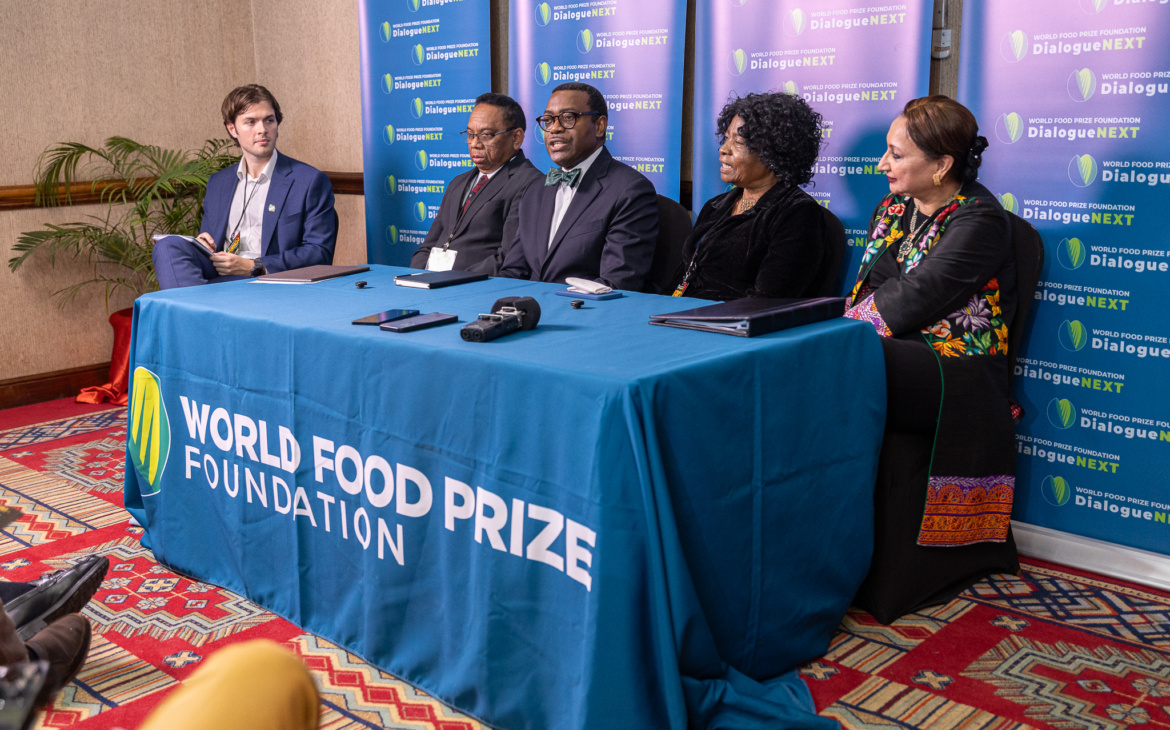
The conference brought together agricultural leaders from across the continent to explore practical solutions for building resilient food systems capable of feeding Africa’s rapidly growing population.
While discussions covered everything from livestock genetics and biotechnology to nutrition and aquaculture, it was clear that Africa must move beyond conversations and accelerate the adoption of proven innovations.
The Missing Ingredient: Political Will
According to Akinwumi Adesina, 2017 World Food Prize Laureate and Member of the World Food Prize Foundation Council of Advisors, the continent’s greatest obstacle is no longer scientific innovation but the political commitment to implement it.
“The challenge in Africa is not technology anymore,” he said. “It’s political will.”
Adesina pointed to numerous agricultural breakthroughs already transforming production across the continent.

“Improved cassava varieties are producing significantly higher yields, drought-tolerant crops are helping farmers adapt to climate change, and tissue-cultured bananas have dramatically increased productivity in East Africa, he highlighted.
Yet millions of African farmers remain unable to access these innovations because of slow adoption, weak extension systems and regulatory barriers.
According to Adesina, governments, research institutions and development partners must shift their focus from developing new technologies to ensuring existing ones reach farmers at scale.
He stressed that scientists also have a responsibility beyond research.
“Agricultural innovations should not remain confined to laboratories or academic publications but must be delivered directly to farming communities where they can improve livelihoods and strengthen food security,” he argued.
Removing Barriers to Innovation
Adesina challenged governments to remove unnecessary regulatory obstacles that delay the movement of improved crop varieties and technologies across borders.
Since pests, diseases, and climate conditions often extend beyond national boundaries, he argued that agricultural innovations should also move more freely across countries sharing similar agroecological zones.
He also made a strong case for embracing biotechnology and artificial intelligence as essential tools for transforming African agriculture.
While acknowledging the importance of biosafety regulations, he warned against allowing fear and misinformation to slow scientific progress.

“Africa will not feed itself by taking itself out of modern science and technology,” he said, urging policymakers to adopt evidence-based regulations that encourage responsible innovation.
Moreover, Agriculture, he noted, represents one of Africa’s greatest economic opportunities.
“The future millionaires and billionaires of Africa are not going to come from oil and gas,” he said. “They’re going to come from agriculture because everybody eats food.”
Unlocking the Potential of Livestock and Fisheries
The discussion also highlighted the often-overlooked role of livestock and fisheries in strengthening food systems.
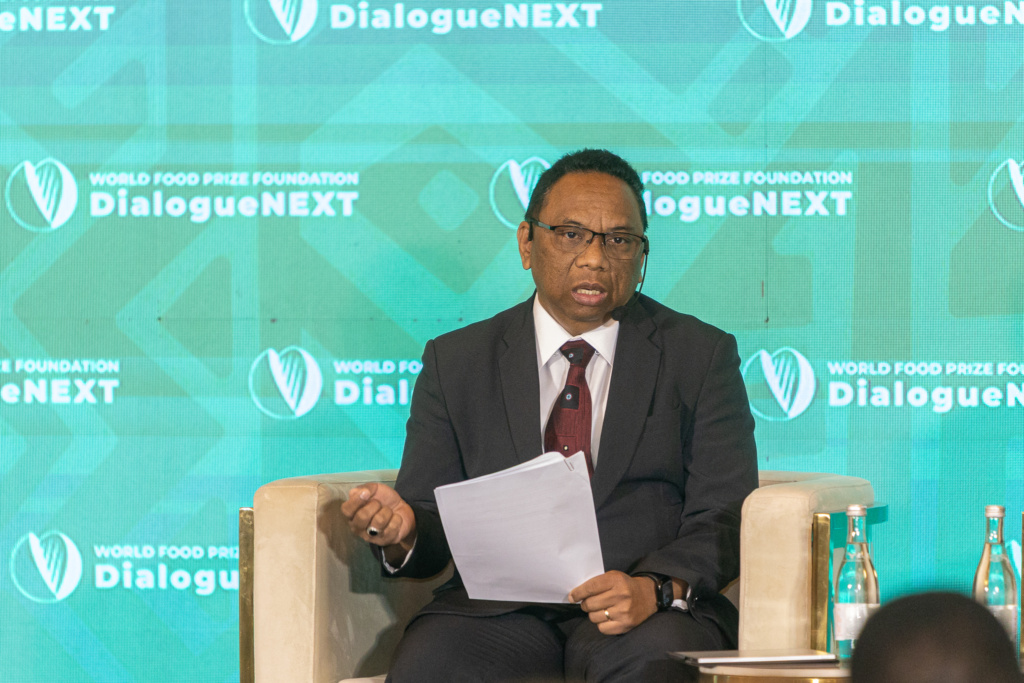
Dr. Riana Nantenaina Randrianomenjanahary, Minister of Livestock, Madagascar, shared examples of how genetic improvement programmes in Madagascar are increasing both milk production and meat yields using locally adapted cattle breeds.
“By combining improved genetics with natural grazing systems and expanding the use of artificial insemination, we hope to improve productivity while maintaining resilience under local conditions,” he said.
Beyond livestock, panelists emphasized that Africa’s blue economy offers enormous untapped potential.
Expanding sustainable aquaculture, improving fish breeding programmes and increasing access to finance for young entrepreneurs could significantly boost the continent’s supply of affordable animal protein as urban populations continue to grow.
Food Security Must Include Nutrition
While increasing food production dominated much of the discussion, the conference also reminded participants that food security cannot be measured by quantity alone.
Ruth Oniang’o, Founder and Editor-in-Chief at African Journal of Food, Agriculture, Nutrition and Development, urged policymakers to view food through a broader lens.
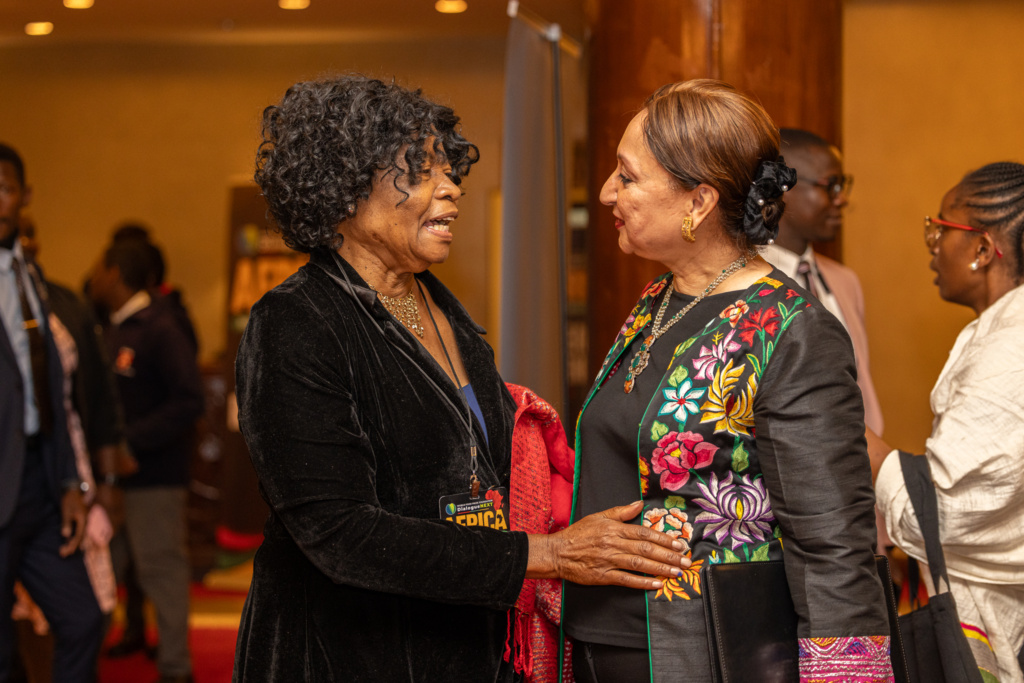
Food, she said, must not only be available but also nutritious, safe, culturally acceptable and diverse.
She emphasized that millions of Africans continue to suffer from malnutrition despite improvements in food production.
“Investments in biofortified crops, school feeding programmes, clean water and dietary diversity remain essential if agricultural transformation is to deliver healthier populations rather than simply larger harvests,” she said.
A New Chapter for DialogueNEXT Africa
The conference marks an important milestone for the World Food Prize Foundation, which is celebrating its 40th anniversary.
According to Mashal Husain, President, World Food Prize Foundation, this was the Foundation’s first DialogueNEXT convening on African soil, an acknowledgement that the continent must play a central role in shaping the future of global food systems.
“Rather than creating another forum for speeches, DialogueNEXT aims to bring together scientists, policymakers, agribusiness leaders and, most importantly, farmers to identify practical solutions and track progress over time,” she said.
For Husain, placing farmers at the centre of these conversations is essential if agricultural innovations are to translate into meaningful improvements in people’s lives.
From Conversation to Commitment
Across Africa, technologies capable of increasing yields, improving livestock, strengthening nutrition and building climate resilience are already available.
What remains is the determination to scale them, invest in them and ensure they reach the farmers who need them most.
The continent’s food future, the experts argued, will not be shaped by another conference alone. It will depend on the decisions governments make, the investments they prioritise and the partnerships they build long after the discussions have ended.
Read Also: Regenerative Agriculture Emerges as Key to Climate-Resilient Food Systems
Author Profile

- How can we learn if we don't question?
Latest entries
 Opinion & Analysis8 October 2026Why Africa Must Look to What Already Exists in Its Blue Economy
 Agriculture5 October 2026The Search for a Smarter Way to Feed Crops
 Events30 September 2026The Goat, the Market and the Dryland: Heifer International’s Push for Livestock Resilience
 Agriculture30 September 2026Digital Tools for Export-Ready Farming in Kenya


