
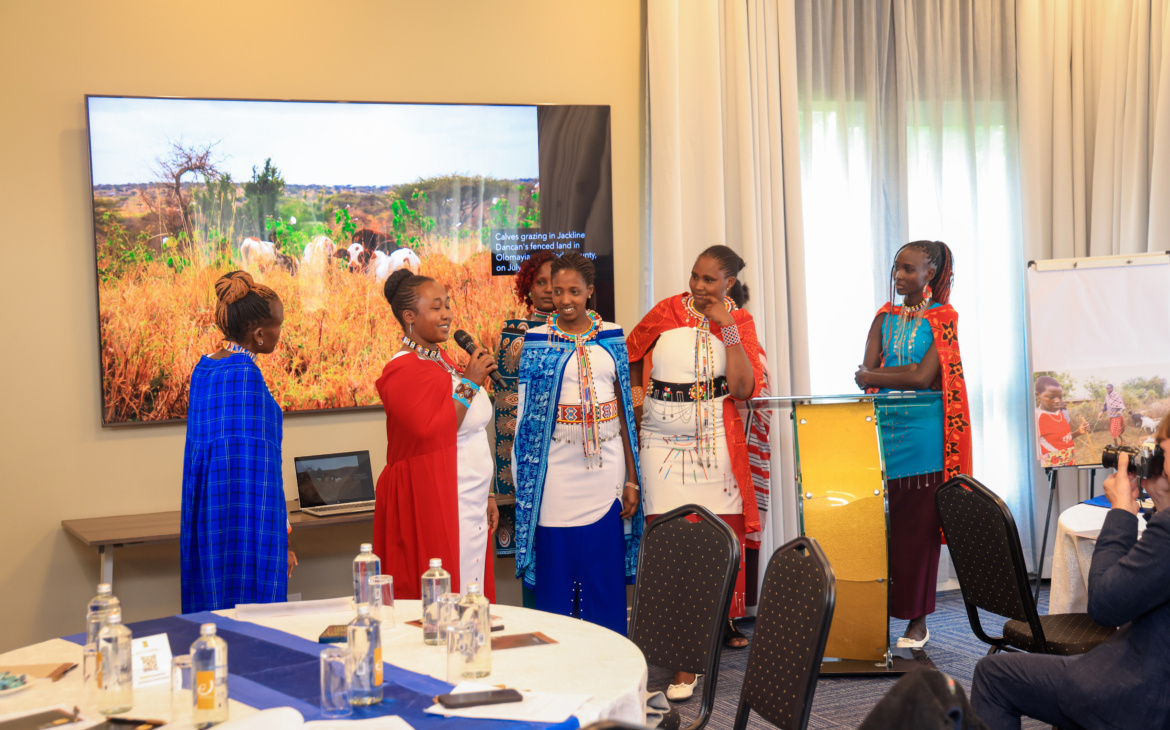
The second phase of the “Envisioning Resilience” initiative, a collaborative effort by Lensational, Spring of the Arid and Semi-Arid Lands (SASAL), the NAP Global Network, and the Climate Change Directorate of Kenya (CCD), empowered women photographers from local communities to document their challenges and triumphs.
This highly informative session provided a platform for these women to share their unique perspectives and stories through the powerful medium of photography.
Envisioning Resilience aims to amplify the voices of women who are underrepresented yet most vulnerable to climate shocks in policy dialogues.
To this end, the selected women are trained in photography, enabling them to document and showcase their experiences with climate change, their visions for the future, and the actions they are taking.
The initiative, previously piloted in Kenya and Ghana, was embraced and expanded to Jamaica and Rwanda. It is currently in its second phase in Kenya and Jamaica.
The photographs taken by the seven women from communities in Kajiado County not only communicate their challenges but also represent a key step in facilitating national adaptation plan processes between decision-makers and the most vulnerable people on the frontlines.
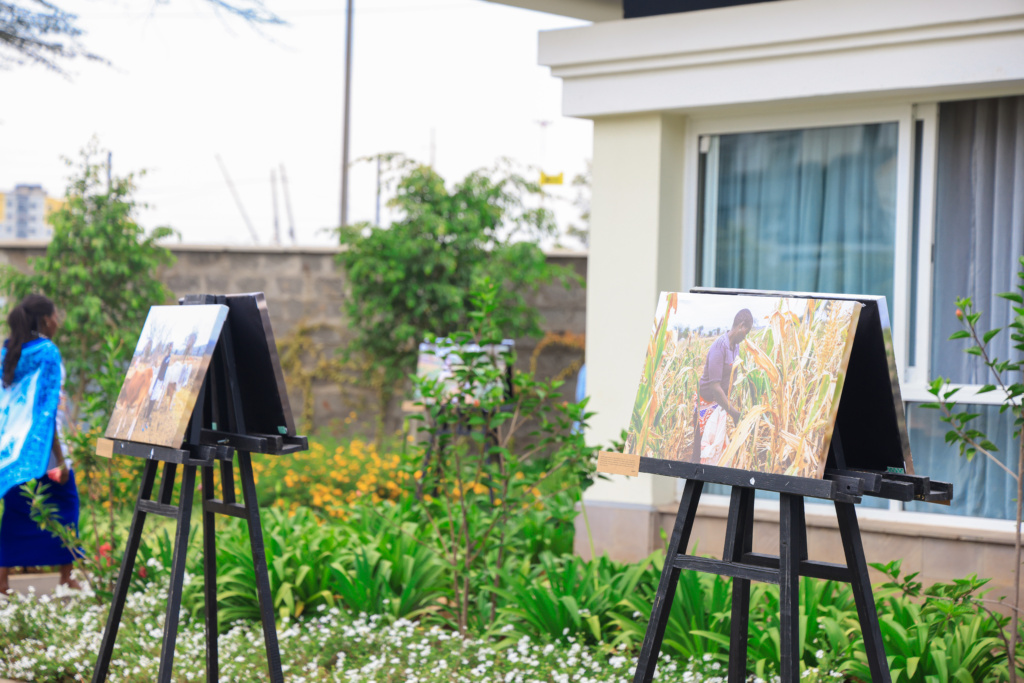
One of the photographers, Charity Namunyak from Olomayana in Kajiado County, explained that her training journey was highly insightful. It helped her understand that the key issues she faced were the impacts of climate change.
Her images tell the story of her neighbor Jackline, who lost 23 herds of cattle during a drought and was left with only one cow. This loss led to her decision to fence her land to grow animal feed while also running an animal fat sales business.
Mr. David Hoffmann, the coordinator of the National Adaptation Plan Global Network (NAP GN), stated that their vision is a world where the most vulnerable communities and countries can articulate and work toward their development aspirations in a changing climate.
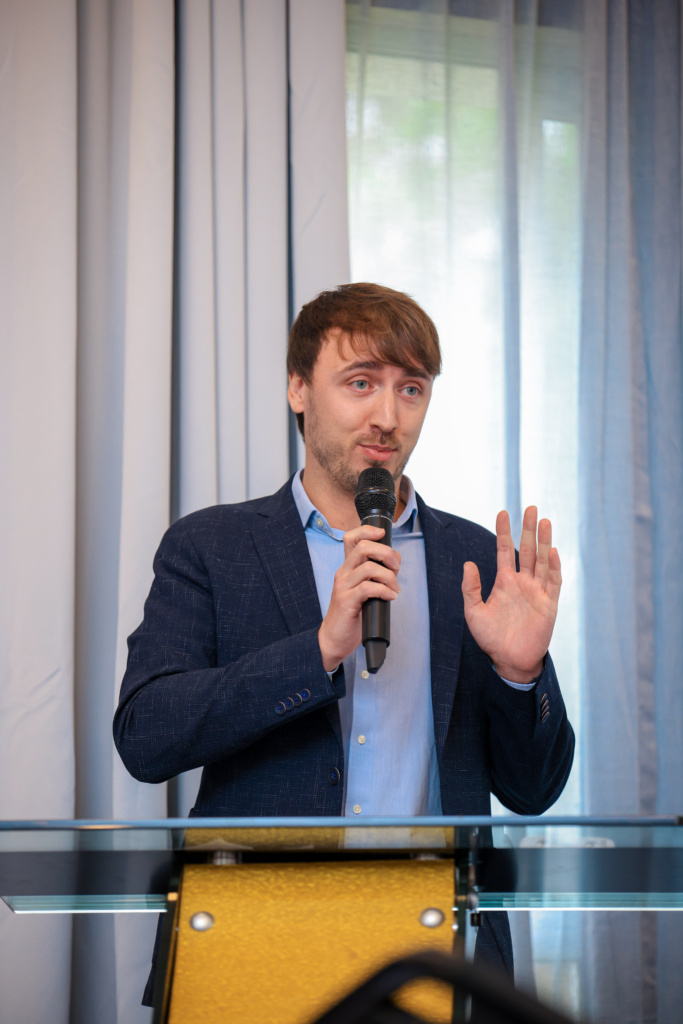
He lauded the seven women photographers for their courage and dedication, adding that their stories position them as long-term advisors to policymakers developing context-specific adaptation strategies.
This builds on the realization that for adaptation strategies to be effective, planning must be informed by a diversity of voices, particularly those of women who are often underrepresented.
According to Mr. Thomas Lerenten, Director at the Climate Change Directorate, Kenya, there is a linkage between this showcase by envisioning resilience and the national climate change Resource Center, which is complete with a library and an amphitheater for climate research.
“At the resource center, we have a showcase of these photographs from the first cohort, and most of these images from the second cohort will also be on display at the center. They are used to communicate and inform actions, even at policy levels,” said Mr. Lerenten.
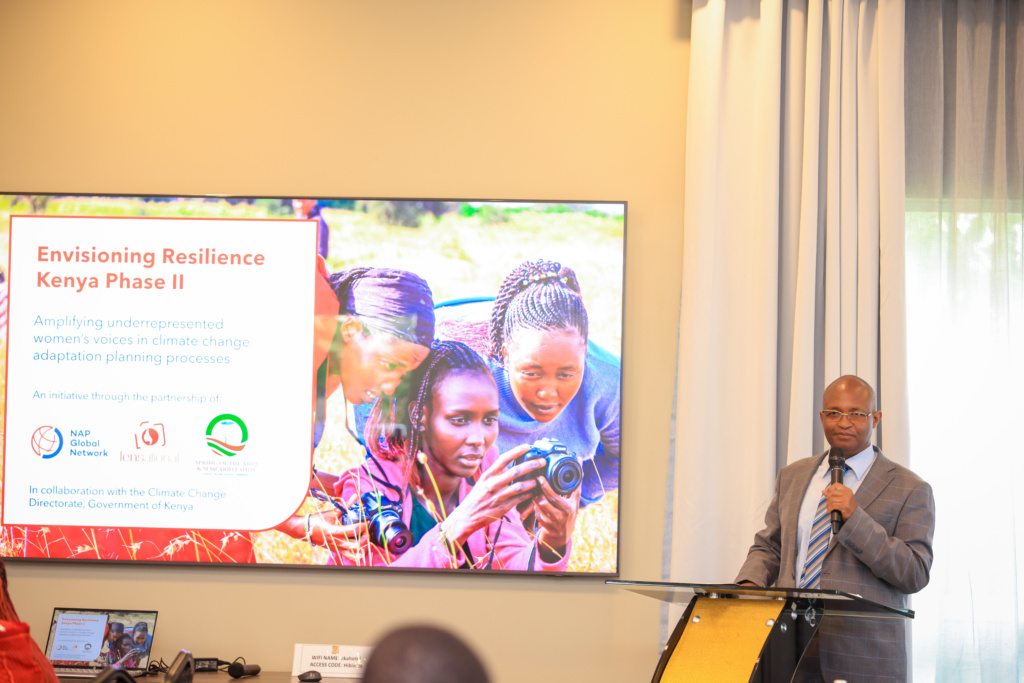
He emphasized that receiving information from people facing these issues firsthand is essential to ensure that policies address the most critical issues faced at the local community level.
Notably, these photographs play a crucial role in highlighting the stark reality on the ground. These stories provide a clear basis for dialogue with decision-makers, fostering a shared understanding of the effects of climate change on women’s lives and the adaptation priorities for their communities.
Miss Lydia Kibandi, the founder of Lensational, pointed out that photographs of such communities have traditionally been taken by outsiders narrating the stories on their behalf.
“Our goal is to change that. We are doing this by placing the skills, tools, and equipment in the hands of the women so that they can tell their stories in a dignified and accurate way,” she said.
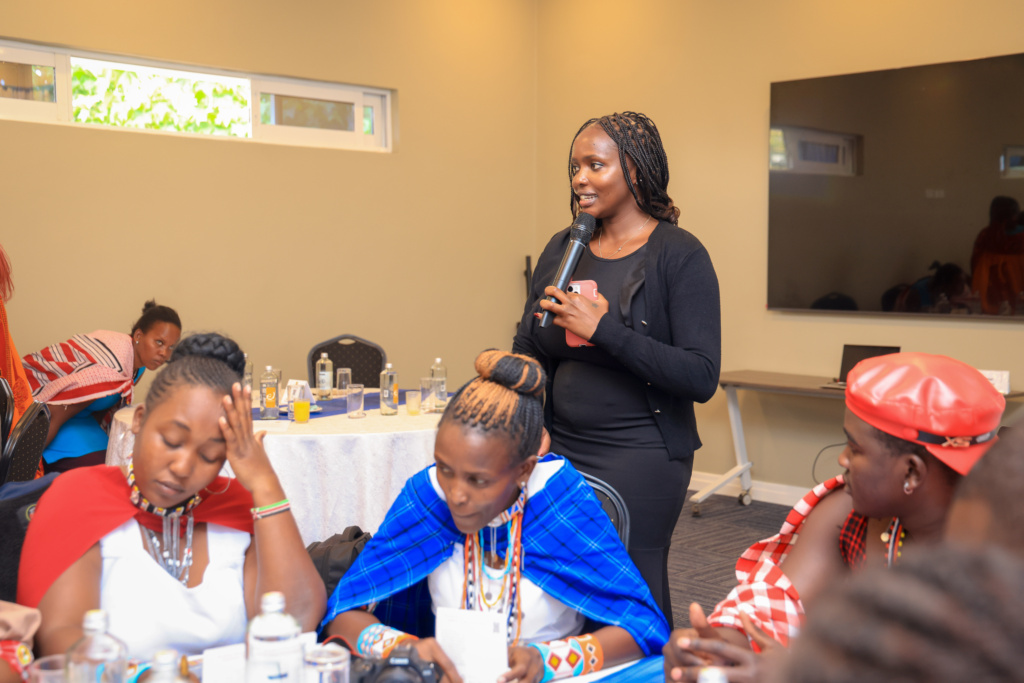
By providing these skills and tools to women in communities most affected by climate change, they are enabled to articulate what it means to them and document their responses to these challenges.
The envisioned goal is to find a common ground for these dialogues, ensuring they happen in a common language. This means using language the community is most conversant with to detail the impacts and strategies for building resilience.
Miss Mana Omar, the Executive Director of SASAL, revealed that the seven women received training on climate change, its meaning, and even multilateral systems and how they function as part of their envisioning resilience journey.
She added that, as the saying goes, photographs speak a thousand words, and this project has proven the possibility of merging creativity with local issues and merely presenting them.
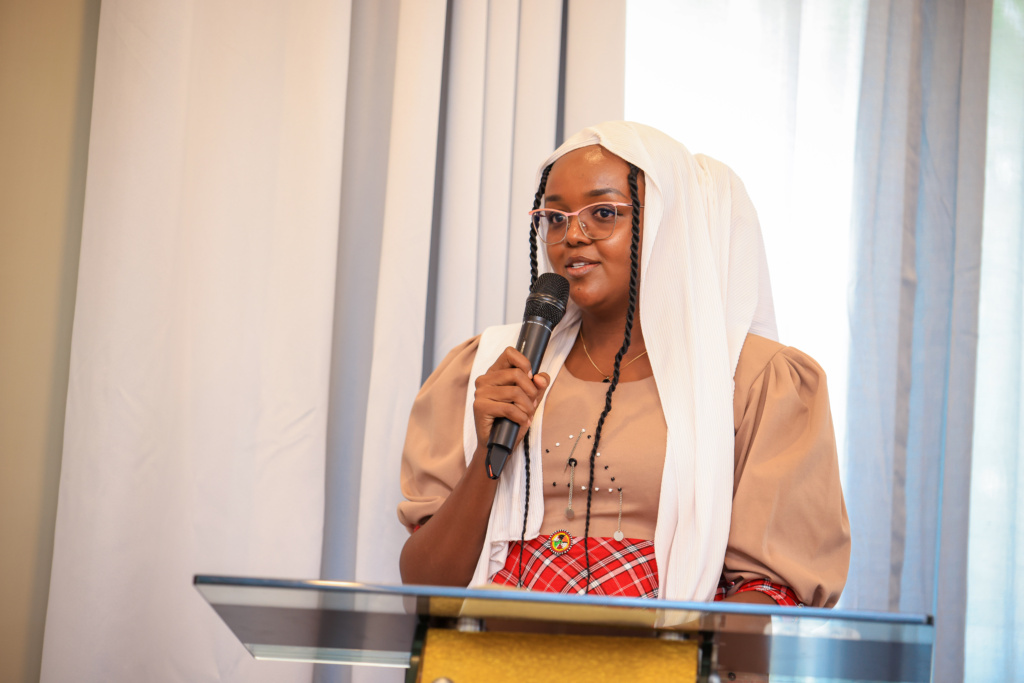
“This was truly a unique journey that has shown us clearly how creativity, storytelling, and local knowledge can shape climate adaptation,” said Ms. Mana.
Listening to the voices from the communities, it became apparent that the impacts of climate change are increasingly dire, frequent, and intense.
This is evident as pastoralist communities, renowned for their nomadic lifestyles, are now forced to venture into mixed farming, embracing agriculture and keeping fewer herds of livestock to become more resilient.


