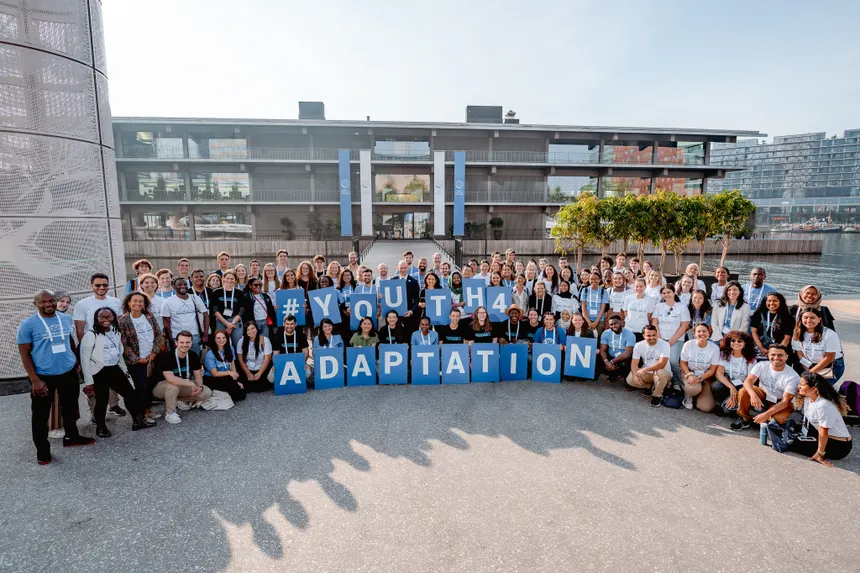
As climate change continues to threaten communities across the globe, churches are increasingly stepping beyond the pulpit to support practical environmental action.
One of the latest examples is the Lutheran World Federation (LWF), which has invited young people from its member churches to apply for funding to implement community-led climate projects.
Under the initiative, selected youth groups can receive grants of up to €2,000 to carry out small-scale climate projects between July 2026 and January 2027.
While the funding may appear modest, it reflects a growing recognition that local, youth-driven solutions can make a meaningful contribution to climate resilience.
Young People at the Centre of Climate Action
For the LWF, empowering young people is about nurturing a generation capable of responding to one of humanity’s greatest challenges.
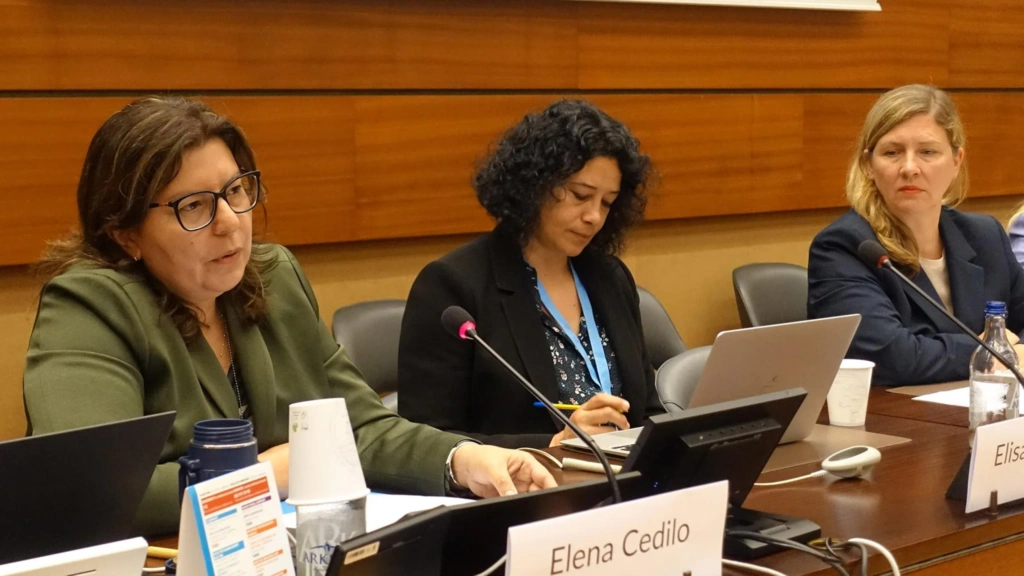
“We aim to harness the passion and creativity of young people to tackle one of the most urgent challenges of our time, climate change,” says Elena Cedillo, LWF Program Executive for Climate Justice.
“Their contributions, through thoughtful ideas and purposeful action, are essential to fostering a more sustainable and equitable future for all.”
The initiative encourages young people to develop practical solutions that respond to local environmental challenges while strengthening community participation and environmental stewardship.
Growing Change from the Ground Up
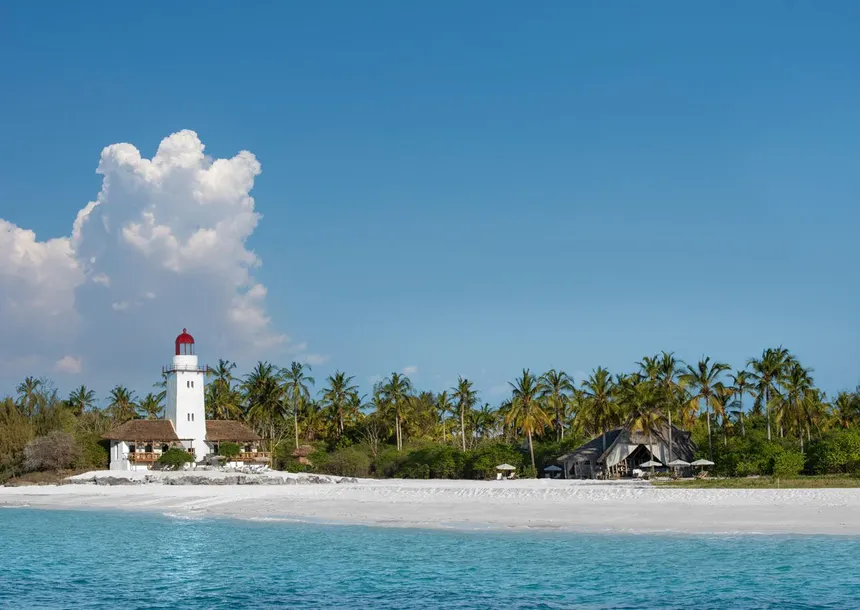
The impact of such initiatives is already evident in Tanzania, where the Evangelical Lutheran Church in Tanzania (ELCT) implemented the Together for Green Community project.
Working with secondary schools, colleges and church youth groups in Kilwa District, the project combined environmental education with practical conservation activities. Student environmental clubs promoted climate awareness while young volunteers planted thousands of trees and participated in restoring degraded coastal ecosystems.
Project coordinator Erick Kapira says the initiative reached more than 860 young people through schools, colleges and church youth groups.
“We planted 5,890 trees in schools and restored coastal ecosystems by planting more than 20,000 mangrove trees along the Kilwa Masoko coastline,” he says.
Beyond tree planting, the project partnered with local radio and television stations to raise public awareness and encourage wider community participation in environmental protection and sustainable natural resource management.
Faith as a Force for Climate Stewardship
Across many Christian communities, caring for the environment is increasingly viewed as a moral responsibility as much as an environmental one.
Pope Francis repeatedly reminded the world that humanity has inflicted unprecedented harm on the planet, describing Earth as “our common home.”
Marking the tenth anniversary of Laudato Si’, Pope Leo XIV also urged people to reject indifference and work together in caring for creation.
The late Archbishop Desmond Tutu similarly challenged faith communities to move beyond awareness and embrace action, observing that while ignorance about climate change may once have been understandable, “today we have no excuse.”
Their message highlights the growing commitment among churches to place climate justice alongside social justice, recognising that environmental degradation disproportionately affects vulnerable communities.
Small Projects, Lasting Impact
For young climate leaders, meaningful change often begins with simple community initiatives, planting trees, restoring ecosystems, educating neighbours and inspiring others to act.
As Carine Wendland, a youth leader with the Evangelical Church of the Lutheran Confession in Brazil (IECLB) and member of the LWF’s Latin America and Caribbean Climate Justice Forum, observes: “Caring for our common home begins where I set foot and becomes a collective effort when good practices are shared, cross-pollinate and inspire further good practices.”
As climate impacts continue to intensify, initiatives such as the LWF youth climate programme demonstrate that effective climate action does not always require large budgets.
Sometimes, lasting change begins with empowered young people, supportive communities and a shared commitment to protect the environment for future generations.
Read Also: Catholic Leaders Call for Fossil Fuel Phase-Out and True Justice