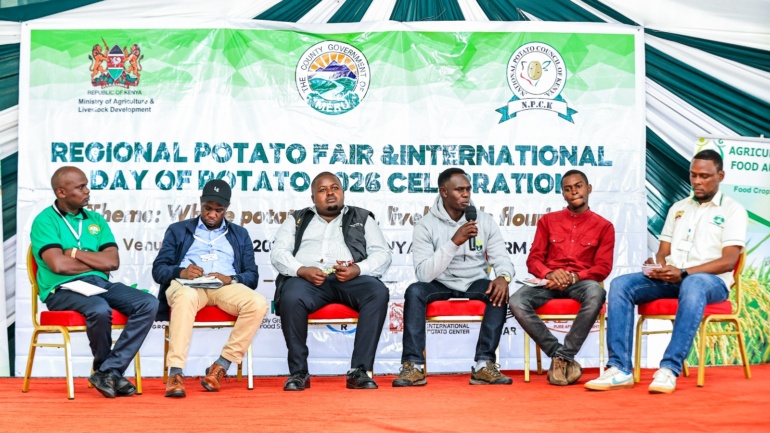
For generations, farming in Africa has been seen as back-breaking work, a last resort rather than a profession of innovation and opportunity. However, Felista Nyakio, an agripreneur from Kenya, is determined to change that notion as she boldly claims farmers sit at the table.
She points out that the perception of farming as degrading work is a false narrative that is doing more harm than good.
“Farming is perceived as degrading work. We need to start showing farmers that they are part of the nation and make children aware of the benefits of farming. Let’s get children to love agriculture,” she urged.
Her call for a shift in mindset would go on to set the tone as a central message at the 6th Africa Resilience Forum, emphasizing that it is time to stop designing policies for farmers and start designing them with farmers.
This message was echoed by agricultural experts and leaders who gathered in Abidjan from 1–3 October, as they unanimously urged African governments to place greater value on farmers, transforming them from recipients of food aid into providers.
According to Roland Fomundam, CEO of Greenhouse Ventures, a Cameroonian company specializing in greenhouse production, agriculture is a dominant activity in crisis zones. He noted that, as much as we are told that without peace there can be no development.
“Let’s remember that without food, there is no peace. It’s time to involve farmers in discussions on agriculture. Very often, policies are drawn up without farmers’ input, yet they are the people on the ground. Henceforth, we need to reach out to them and discuss solutions that concern them,“ said Roland.
Beth Bechdol, Deputy Director-General of the Food and Agriculture Organization of the United Nations (FAO), echoing this view, added that farmers represent the private sector, they invest and find solutions on their own.
“Understanding this, we know that there is a need to do better together. If we want to have a better impact on our populations, we need new matrices, for example, knowing how much we’ve improved producers’ incomes over a period of time,” opined Beth.
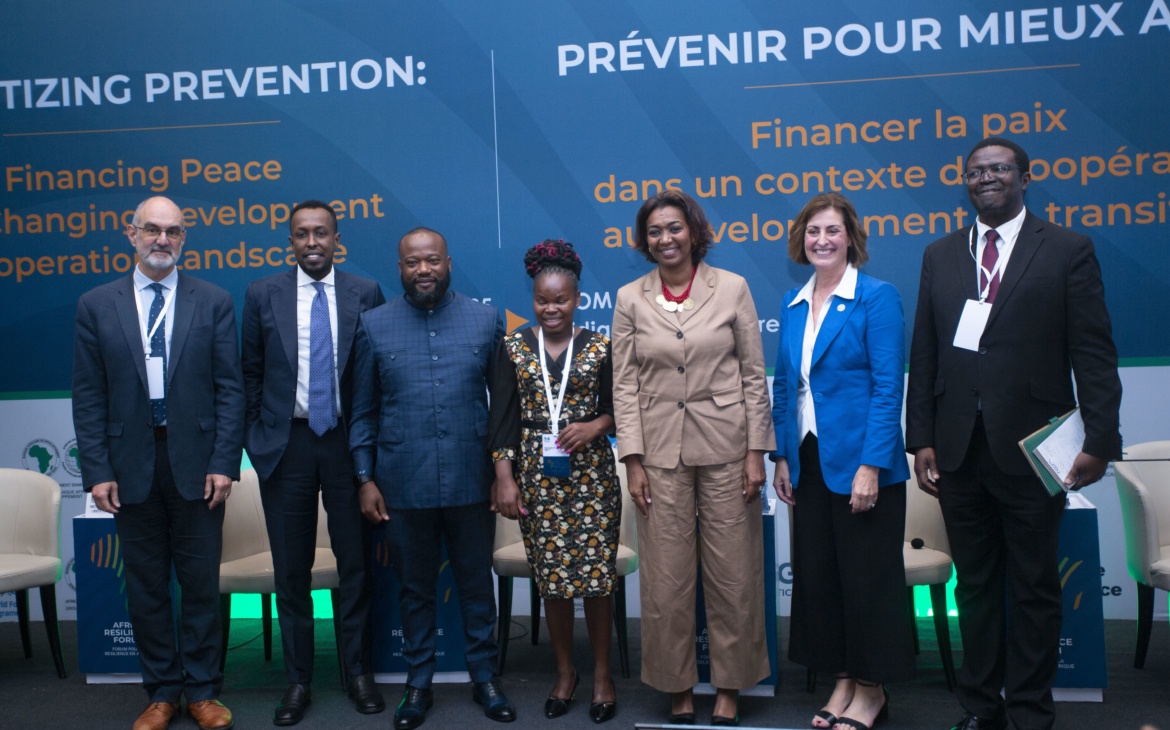
Both were speaking during a panel discussion titled “Achieving Resilient and Transformative Impact for Large-Scale Food Security in Africa” on the Forum’s second day.
The panel also featured Abdilhakim Yusuf Ali Ainte, Director of the Food Security and Climate Department in the Office of the Prime Minister of the Federal Government of Somalia; Martin Fregene, Director of the Agriculture and Agribusiness Department of the African Development Bank Group; and Rania Dagash-Kamara, Deputy Executive Director for Partnerships and Resource Mobilization of the World Food Programme.
Drawing on Somalia’s experience, Ainte noted that the country had relied on its private sector, a move that saw it mobilize up to $6 billion to boost human capital and save lives. Building on this experience, he shared best practices and remarked, “The most important resource is the private sector. We need a dynamic private sector invited around the table to provide sustainable solutions.“
Martin Fregene emphasized that rebuilding Africa’s food systems does not require reinventing the wheel.
“Above all, we need to build on the existing production system. Small and medium-sized enterprises produce all the food we eat. We need to see how we can get them to double their production and ensure their survival,” he declared.
He pointed out that the Bank Group involves agricultural producers in the implementation of its agricultural programs through direct financing, support for innovation, development of climate-resilient infrastructure, and facilitation of access to agricultural inputs. The Bank also focuses on training, extension, and networking for farmers, he added.
The sixth edition of the African Resilience Forum (ARF), organized by the African Development Bank Group under the theme “Prevention for Better Action: Financing Peace in a Context of Development Cooperation in Transition“, is a high-level event bringing together policymakers and practitioners from the humanitarian-development-peace nexus.
The forum provides an opportunity to explore strategies for intensifying prevention efforts and stimulating peace-promoting investments on the continent.
In a concrete step toward action, the panel concluded with a commitment to champion the creation of formal platforms that would ensure farmers and agripreneurs like Nyakio have a permanent seat at the policy-making table, turning the day’s dialogue into tomorrow’s tangible strategy.