
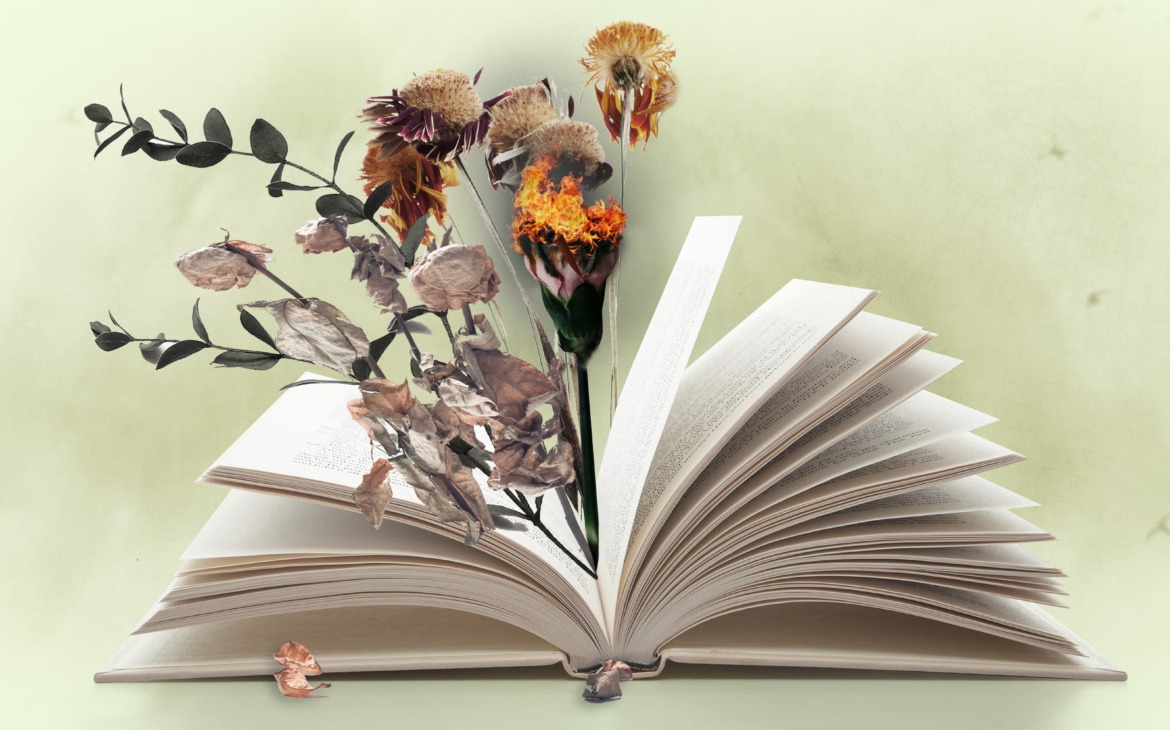
Fiction: A decade ago, the desert had taken over the jungle, and as the wagon bounced over pebbles in the once-raging riverbed, an eagle whistled high up in the blue sky, acknowledging the harsh sun.
“When I was your age, all this was a jungle, teeming with fruits and animals, then the bulldozers came for the treasure underneath…” Grandpa told the boys trudging beside him.
The excerpt above paints a fictional scene that mirrors very real fears like deforestation, natural resource exploitation, and loss of biodiversity. Climate fiction is the new frontier of literature in the conversation about climate change, and awards, such as the Climate Fiction Prize, inaugurally awarded on the 14th of this month, show that fiction can help us imagine what change can look like.
Rewriting the Climate Conversation
In a world drowning in data, climate fiction offers a lifeline of hope, rage, and imagination in the climate conversation. The Climate Fiction Prize is a literary award for climate fiction, aiming to showcase novels that engage with themes concerning climate change.
Launched in June 2024, with a prize of prize, of £10,000, supported by Climate Spring, the award announced Abi Daré as the first winner of the Climate Fiction prize for her novel, And So I Roar, a sequel to her bestselling debut, The Girl with the Louding Voice.
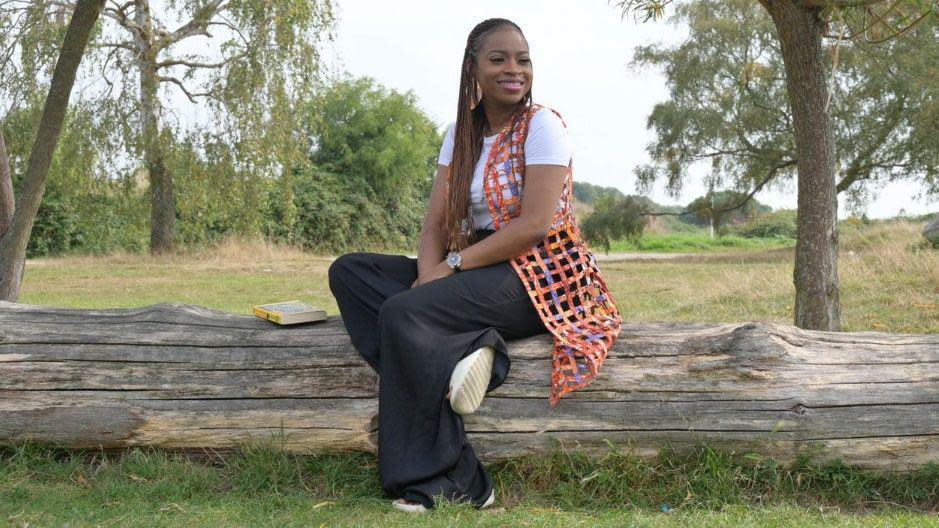
And So I Roar delves into the lives of rural women and girls in Nigeria, whose lives are impacted by environmental collapse. It was shortlisted alongside The Ministry of Time by Kaliane Bradley, Briefly Very Beautiful by Roz Dineen, The Morningside by Téa Obreht, and Orbital by Samantha Harvey, which won the 2024 Booker Prize.
On its official website, a spokesperson for the prize said, “For societies to fully grasp the climate change threat and to embrace its solutions, we need better stories. It’s not enough for audiences to know about climate change; they need to see an uncertain future and understand that change is urgent but possible.”
Author and judging chair Madeleine Bunting described the novel as a book of real energy and passion, which both horrifies and entertains with a cast of compelling characters, a story of how the climate crisis can provoke social crisis, where often women and children are the victims.
Daré, who lives in Benfleet, Essex, said: “As a Black British-Nigerian woman, receiving this prize is a reminder that we do not need to wait for permission to step into global conversations or to contort our stories to fit a certain lens.”
Inspiring Action Through Imagination
Climate literacy has grown over the decades to help people visualize climate change, and some have been adopted into film. The Pulitzer Prize-winning novel, The Overstory by Richard Powers, which intertwines the lives of individuals connected by their relationships with trees, is being adapted into a television series by Netflix.
Visual storytelling and podcasts are being widely adopted. For instance, “From Devil’s Breath,” a short documentary produced by Leonardo DiCaprio, tells the story of survivors of Portugal’s 2017 wildfires and introduces a scientific discovery that could aid in combating climate change.
Science tells us what is happening, but stories help us feel why it matters. Literary works have become part of a broader social impact campaign to promote discussions on climate resilience, climate justice, and environmental restoration, and readers and activists are using cli-fi in schools, book clubs, and even policy talks. You can explore cli-fi not just for entertainment but as a form of eco-activism.
Read Also: Living Library


