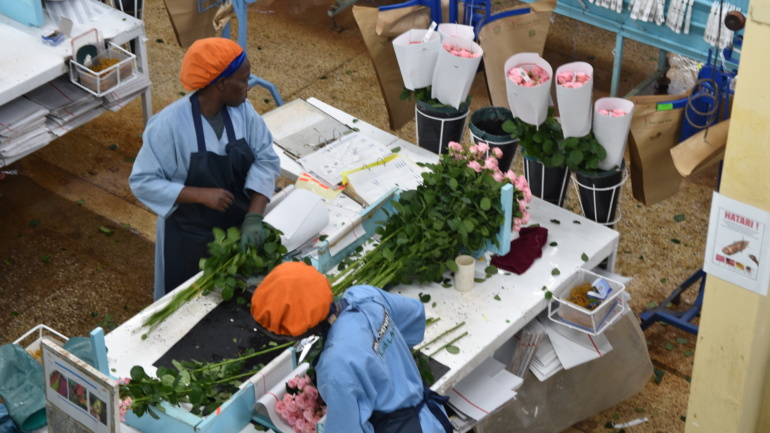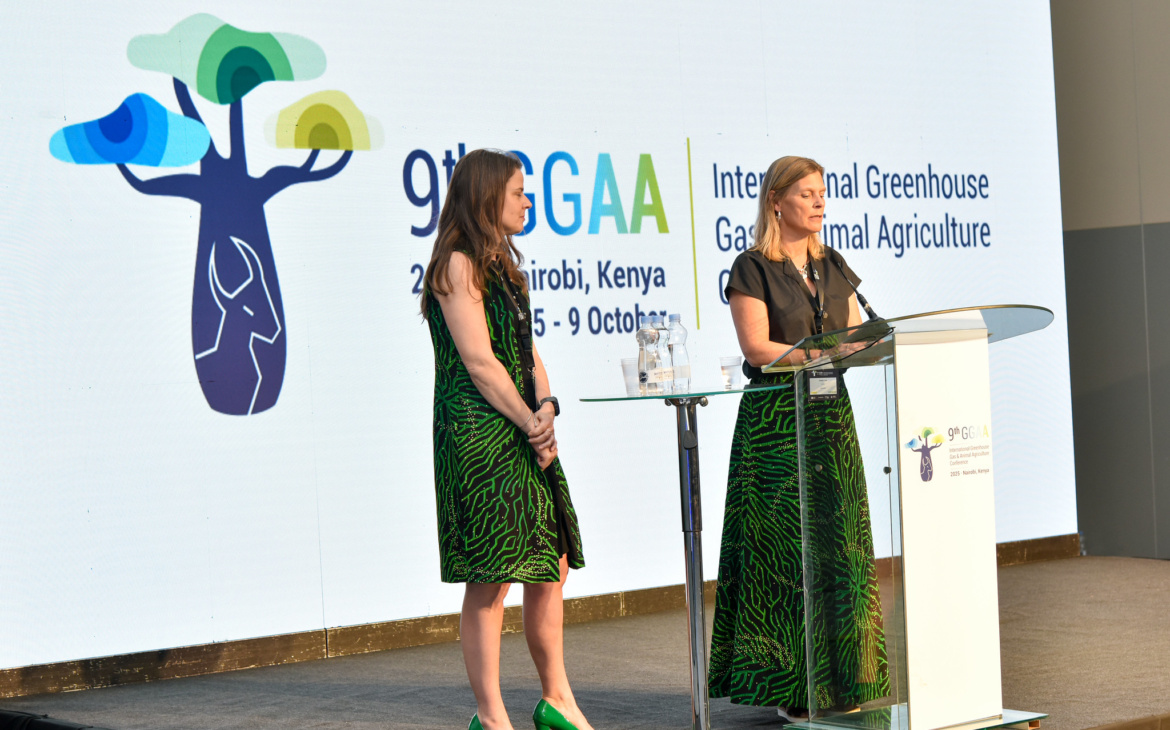
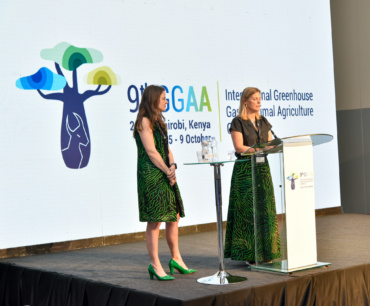
A continent, home to a third of the world’s livestock, Africa plays a vital role in shaping a sustainable future for livestock farming. And, for the first time, Africa, in Nairobi, Kenya, is hosting the 9th edition International Greenhouse Gas & Animal Agriculture Conference (GGAA).
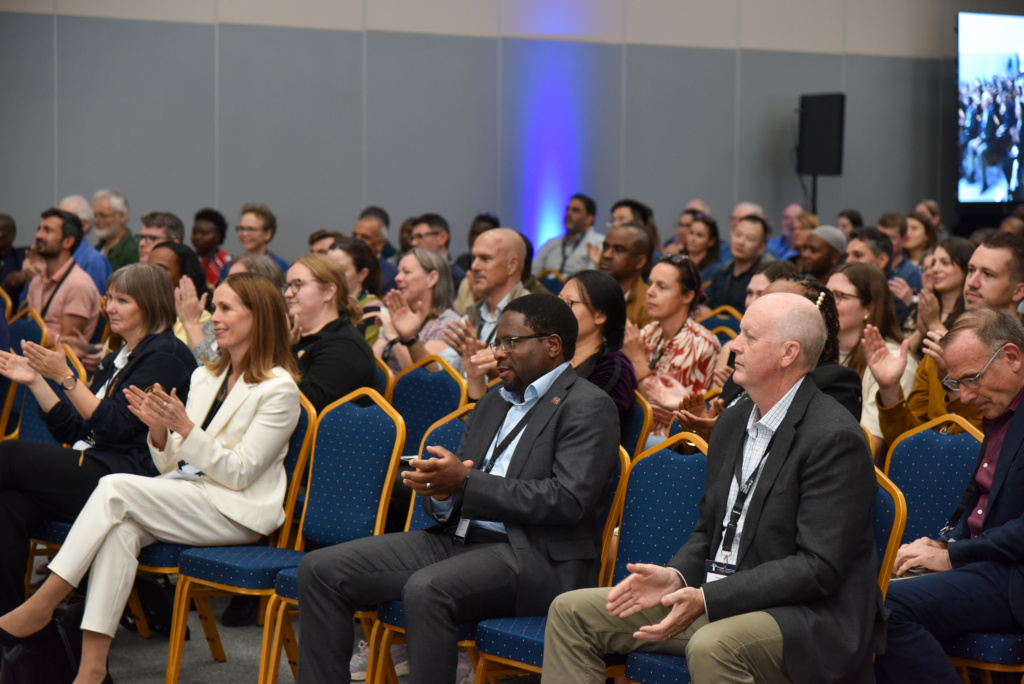
Co-hosted by the International Livestock Research Institute (ILRI) and the Norwegian Institute of Bioeconomy Research (NIBIO), GGAA2025 convenes over 500 leading scientists, policymakers, industry experts, and civil society representatives to address one of agriculture’s most urgent challenges: reducing greenhouse gas emissions from livestock while ensuring food security, rural livelihoods, and climate resilience.
According to FAO estimates, global livestock supply chains account for roughly 30–33% of anthropogenic methane emissions and produce about 7.1 gigatonnes of CO₂-equivalent each year, approximately 14.5% of all human-induced greenhouse gas emissions.
The global voluntary framework launched at COP26 aims for a 30% reduction in methane emissions by 2030 relative to 2020 levels.
By centering the Global South in the climate-livestock dialogue, the conference amplifies the voices of low and middle-income countries and highlights the unique challenges and opportunities faced by the hundreds of millions of smallholder farmers who form the backbone of the region’s livestock sector.
“Bringing GGAA to Nairobi is a deliberate and significant move. Low- and middle-income developing country livestock systems have been under-represented in global climate science,” said Claudia Arndt, Senior Scientist at the International Livestock Research Institute (ILRI) and Team Leader of the Mazingira Center.
She added that the conference is showcasing research from low- and middle-income countries, particularly Africa, where 17 countries are represented.
“This is where we can forge a sustainable future for the global livestock sector, one that is built on context-specific solutions,” she said.
Research shows that combined strategies in animal nutrition, health, genetics, and manure management can cut livestock greenhouse gas emissions by 20–50% while simultaneously boosting productivity and farmer incomes.
Showcasing Achievable, Climate-Smart Solutions
The event is unveiling scientific breakthroughs and showcasing scalable technologies, including:
- Breeding low-methane livestock through genomic selection tools.
- ‘Exhalomics’ cow breath analysis to monitor methane emissions in real time.
- Circular manure systems that reduce emissions by up to 90% while producing renewable energy and organic fertilizer.
- Animal health interventions, with new modeling showing that reducing disease could cut emissions intensity by up to 12%.
- Forage innovations that improve productivity and reduce methane emissions.
- Digital farm tools and carbon accounting systems for tracking and managing emissions.
Professor Appolinaire Djikeng, the Director General of the International Livestock Research Institute (ILRI), said GGAA 2025 should be a springboard for lasting partnerships that ensure solutions are farmer-ready, affordable, and equitable and support resilient livelihoods.
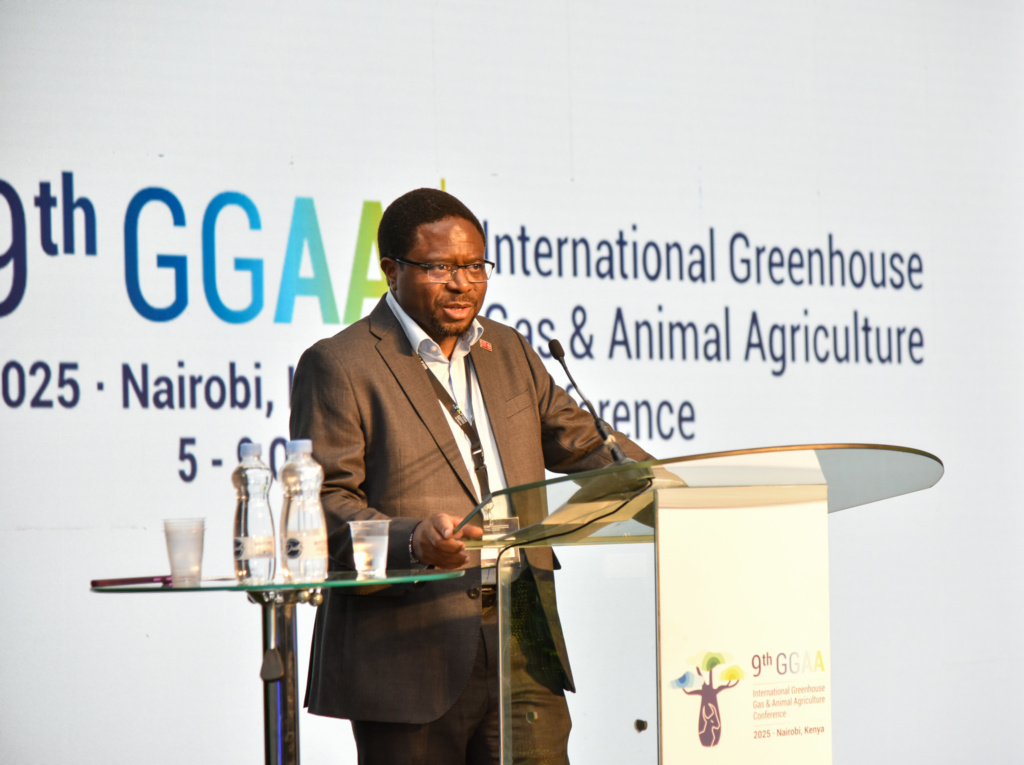
“We don’t have to choose between food security and climate mitigation as the priority pathway for both is to improve livestock productivity. The goal is to cut emissions while raising yields—that’s the win-win of climate-smart livestock,” he said.
Author Profile

- Afritech Media is a Digital Agency focused on Web Design, Content Marketing - Guest Posting Services & Search Engine Optimization (SEO). We write on #Technology
Latest entries
 Animals8 October 2025GGAA 2025: The World Meets in Nairobi to Redefine Climate-Smart Livestock Farming
 Adaptation29 November 2024Kigali Embraces Nature-Based Solutions to Tackle Climate Challenges
 Climate Finance21 November 2024How are climate change and global food security interconnected?
 Food12 November 2024Collaboration and partnership: the only way forward for African agriculture