
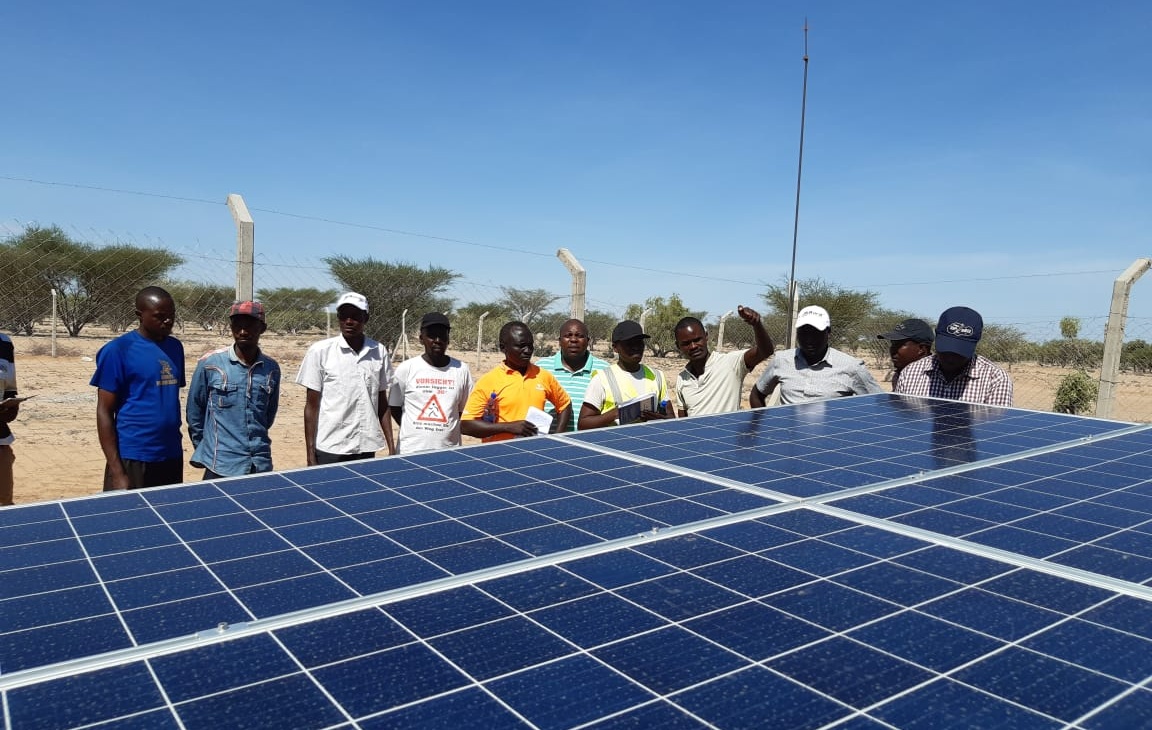
As governments and experts gathered at the 11th Our Ocean Conference to discuss solutions to some of the world’s most pressing environmental challenges, one message from Kenya’s renewable energy sector stood out: access to clean energy remains a critical pillar of sustainable development.
For Kenya’s remote and underserved communities, renewable energy is becoming a lifeline that connects households, schools, health facilities, and businesses to opportunities previously out of reach.
According to Abdisalam Ibrahim, Senior Renewable Energy Officer at the Rural Electrification and Renewable Energy Corporation (REREC), renewable energy projects are specifically designed to serve areas where conventional electricity infrastructure cannot easily reach.
“The renewable energy covers places most of the time that the normal grid cannot reach,” Ibrahim said on the sidelines of the conference.
“When the normal line extension cannot reach, that’s where we go for solar energy.”
He highlights one of the biggest challenges facing electrification efforts in many developing countries. Extending national grid infrastructure across vast, sparsely populated regions is often expensive and technically difficult. As a result, many communities remain disconnected from reliable electricity despite national progress in energy access.
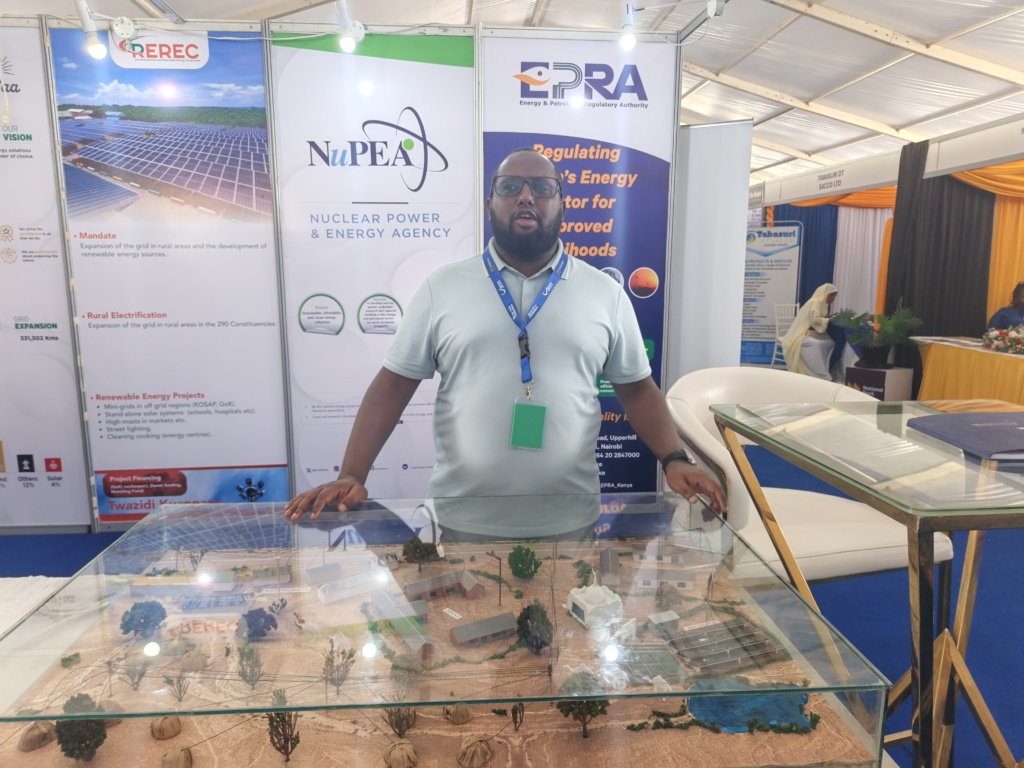
Renewable energy technologies, particularly solar power, are helping bridge that gap.
Ibrahim explained that climate conditions also influence the deployment of renewable energy projects. Many of Kenya’s arid and semi-arid regions receive abundant sunshine throughout the year, making them ideal locations for solar-powered solutions.
“The other criteria we are using are because of the climate of our place,” he said. “Most of the sunny places are favorable for solar.”
Beyond the technical considerations, however, the objective remains social inclusion. Renewable energy is enabling electricity access for communities that have historically been underserved.
“It is a good thing to do so that those who are behind, those who were underserved before, can be able to get the electricity,” Ibrahim noted.
One of the key initiatives supporting this effort is the Kenya Off-Grid Solar Access Project (KOSAP), a programme supported by the World Bank and the Government of Kenya. Through the project, mini-grid systems are being deployed in remote regions where conventional grid expansion may not be economically viable.
“Currently, we are undertaking the KOSAP project,” Ibrahim said. “We are doing almost 33 mini-grids in areas of Mandera, Isiolo, Samburu, Turkana, and Tana River.”
The project represents a growing recognition that achieving universal energy access will require a mix of solutions, including both grid expansion and decentralized renewable energy systems.
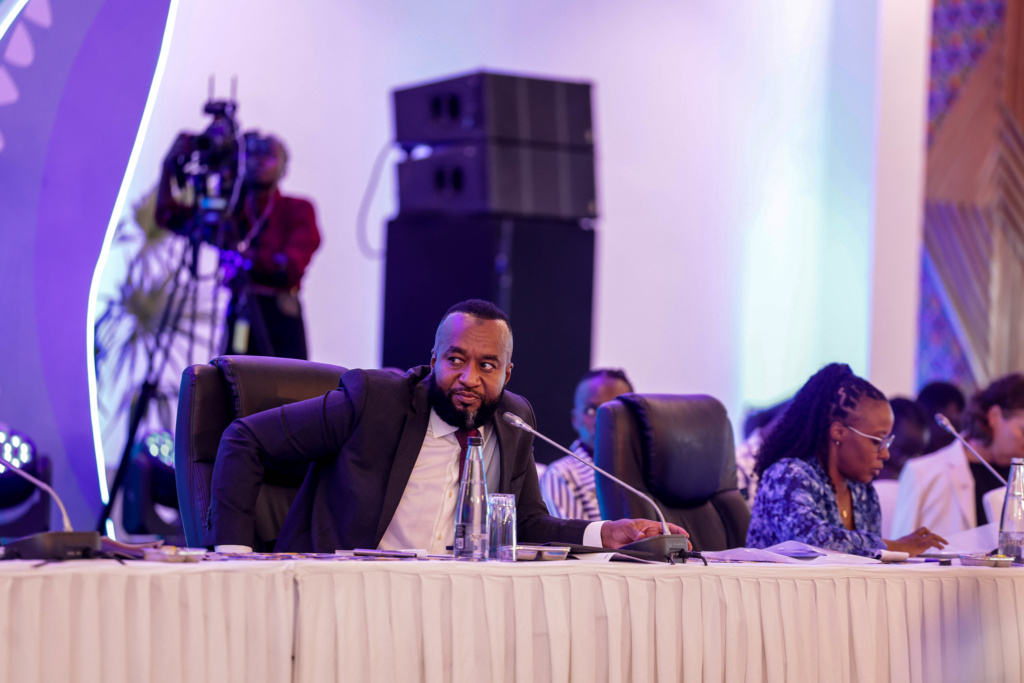
While the Our Ocean Conference primarily focuses on marine conservation and sustainable ocean management, Ibrahim said the discussions demonstrated how renewable energy technologies can contribute to broader environmental goals.
He pointed to the importance of innovation and international collaboration in addressing interconnected challenges related to climate change and sustainability.
“We have seen that even renewable energy can be used in fighting some of the environmental problems that have caused these global crises,” he said.
For Ibrahim, one of the conference’s most valuable outcomes was the opportunity for experts from different countries and sectors to exchange ideas and experiences.
“It is always a good idea for people to come together to brainstorm on their way forward on using various technologies in addressing this crisis,” he said.
As Kenya continues to pursue its renewable energy ambitions, the country’s experience demonstrates how clean energy can serve multiple purposes at once. It supports climate goals, strengthens resilience and, perhaps most importantly, brings essential services to communities that have long remained beyond the reach of traditional infrastructure.
For thousands of households across northern and remote parts of Kenya, the transition to renewable energy is not simply about generating power. It is about ensuring that no community is left behind in the country’s development journey.
Read Also: Africa’s Fossil Fuels Promise is Cracking
Author Profile

- How can we learn if we don't question?
Latest entries
 Agriculture16 October 2026“There Is No Shortcut”: A Kiambu Grower’s Decade in Mushrooms
 COP3115 October 2026Pacific Leaders Call for Urgent Climate Action Ahead of COP31
 Agriculture13 October 2026Can the buffalo fix Kenya’s milk problem? Farmers say start with the feed bill
 Events12 October 2026Cybersecurity in the Floriculture Industry


