
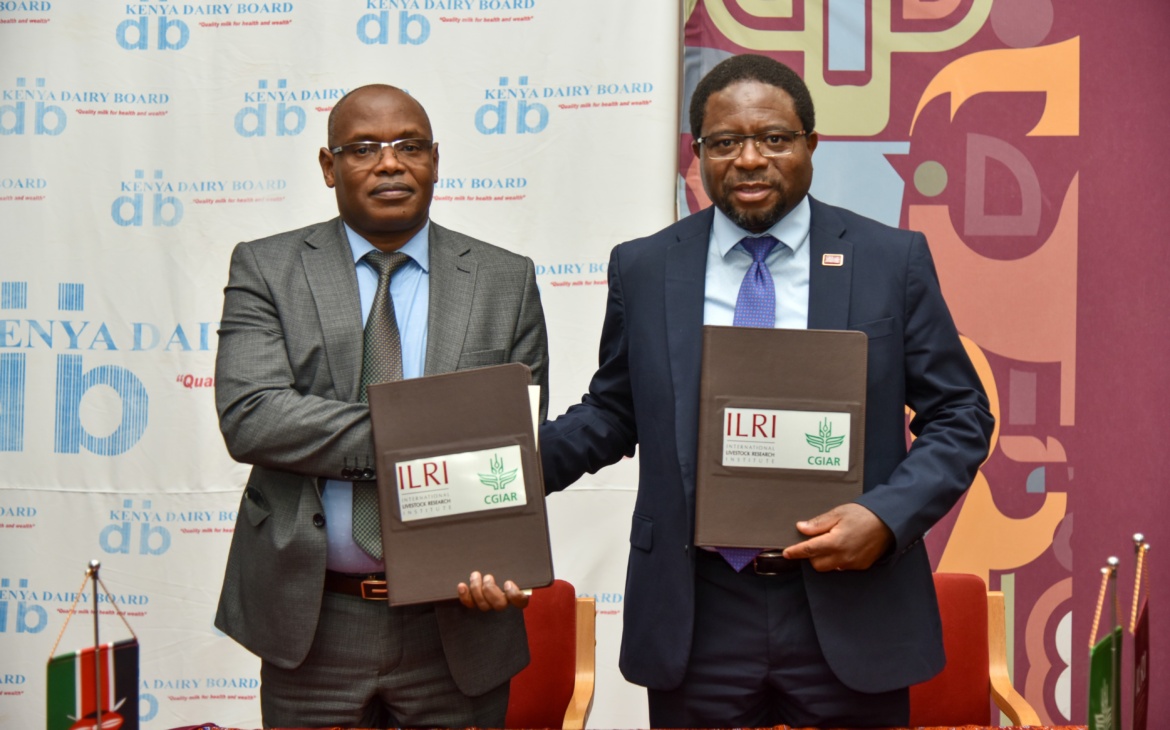
In a move that promises to reshape the landscape of East Africa’s largest dairy industry, the Kenya Dairy Board (KDB) and the International Livestock Research Institute (ILRI) have sealed a strategic pact.
The signing of a Memorandum of Understanding (MOU) is more than a formality; it’s a commitment to fuel inclusive growth, spark innovation, and pour a sustainable future for millions of Kenyans from farm to glass.
This partnership is a classic case of two powerhouses combining their strengths. On one side is KDB, the regulatory and developmental engine of the industry. On the other hand is ILRI, a research institution with half a century of experience solving livestock challenges in developing nations.
Together, they aim to tackle the entire value chain, creating a ripple effect that will benefit smallholder dairy farmers, processors, and consumers alike.
The stakes are high, but so is the potential. Kenya’s dairy sector isn’t just about milk; it’s a cornerstone of the national economy. Producing a staggering 5.33 billion litres annually, it contributes 4.5% to the GDP and is a critical lifeline for rural livelihoods.
With Kenyans already consuming more milk per person than anyone else in the region, a hearty 92 litres each year, the demand is only set to soar as the population grows.
“To meet our ambitious goal of doubling milk consumption by 2030, collaboration is not just beneficial, it is vital,” said Dr. Kimutai Maritim, KDB’s Acting Managing Director, during the signing ceremony. He emphasized that this growth must be inclusive, sustainable, and driven by evidence.
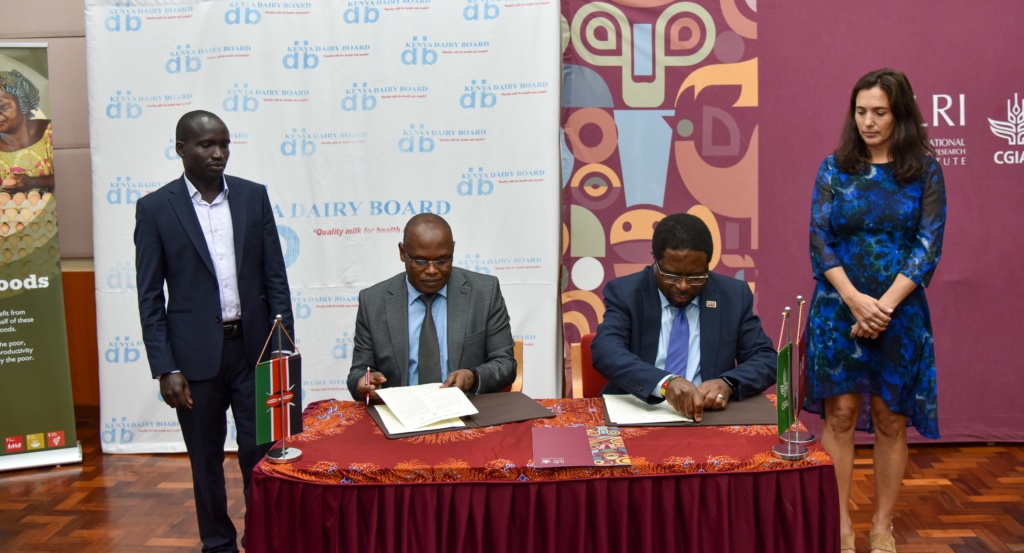
“The More Milk 2 project is a great example of this collaboration in action. This MOU strengthens our ability to deliver on our promise to regulate, promote, and develop Kenya’s dairy industry with innovation, integrity, and impact,” he added.
The path to 2030 is not without its hurdles. A central challenge lies in the journey of the milk itself. Over half of the nation’s milk flows through informal markets, a vibrant network that provides crucial income, particularly for women and youth, and offers affordable nutrition to countless families.
Meanwhile, the formal sector, comprising cooperatives, processors, and retailers, is steadily growing, now accounting for roughly 20% of the market.
Bridging this gap between the informal and the formal, between tradition and innovation, is where this new partnership finds its mission. By building on previous successful collaborations around milk safety, the MOU aims to scale solutions that work for everyone.
Looking ahead, the numbers tell a story of immense opportunity. Kenya’s National Dairy Master Plan projects a need to expand production from today’s 8 billion litres to over 18 billion litres annually by 2030.
This isn’t just about producing more milk; it’s about forging a more resilient, efficient, and safe system that can power the nation’s economy and secure its nutritional future.
“Together, this partnership can bridge critical gaps,” said Appolinaire Djikeng, ILRI’s Director General. His vision is clear: to strengthen the entire dairy value chain, elevate safety and quality standards, and scale innovations that empower smallholder farmers to thrive in a changing market.
Ultimately, the agreement signed in Nairobi encompasses more than just research papers and regulations. It’s about ensuring that the milk that fuels a nation is produced sustainably, sold safely, and consumed by a healthier, growing population. It’s a promise of a brighter, more prosperous future, poured straight from the Kenyan heartland.
Author Profile

-
Seeker.
Inspire AFRIKA.
Latest entries
 Biodiversity27 October 2026COP17 Puts Ocean Protection in Focus, but Delivery Remains Uncertain
 Biodiversity26 October 2026Beyond Biodiversity Finance, A Justice Gap Governments Must Confront
 Biodiversity24 October 2026Faith Leaders and Civil Society Call for Stronger Partnerships to Restore Nature
 Biodiversity23 October 2026Inside Kobe’s Grassroots Effort to Train the Next Generation of Biodiversity Leaders


