
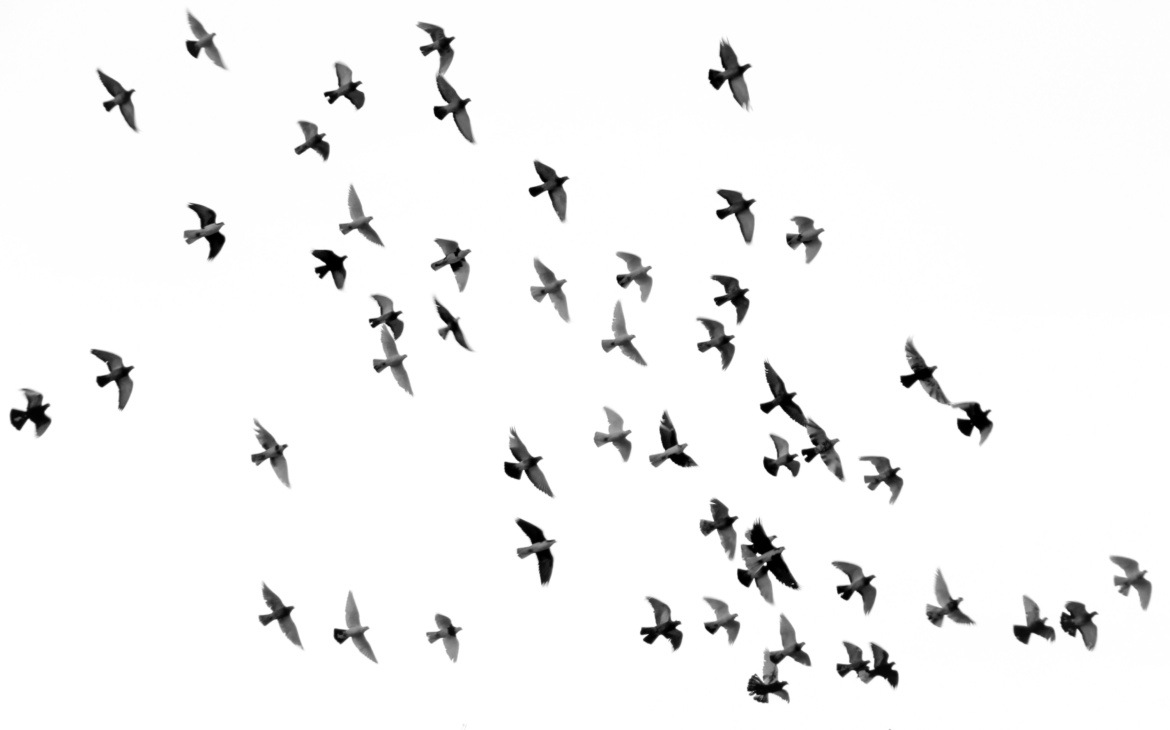
While the human population grapples with the evident crisis of plastic pollution, another insidious threat continues to grow unnoticed: light pollution.
Among the various forms of pollution, this is perhaps the most unspoken of. But what exactly is it?
Light pollution is the excessive, misdirected, or inappropriate use of artificial light at night. This glow disrupts ecosystems, harms wildlife, negatively affects human health, and obscures the night sky.
Similar to noise and plastic pollution, light pollution’s impact is profound, particularly on the other species we share the ecosystem with, especially birds. We cherish birds for their vibrant colors, graceful wings, and cheerful chirps, yet they are among the most affected by our artificial nights.
As we advance our development, filling our roads, parks, and homes with artificial light under the assumption of security, we are inadvertently harming bird species globally.
These artificial lights disrupt the circadian rhythm, the natural day-and-night cycle that acts as an internal timetable for birds. For instance, the bioluminescent signals of fireflies are drowned out, interfering with their ability to find mates. Nocturnal animals like bats, which hunt and forage at night, also have their behaviors interrupted by our relentless brightness.
Furthermore, artificial lights attract countless insects, leading to their exhaustion, increased predation, and disrupted feeding, mating, and development cycles. Thus, as we focus on human progress, we must remember our duty to care for the nature and species with which we coexist.
The use of harsh LED light is increasing annually, spreading from urban centers into rural areas, often without an understanding of its consequences. We see excessive artificial light used even when it is barely needed. Frequently, light is not directed downward to where it is useful but instead spills upward into the sky or into unintended areas.
Beyond birds, this glow also disorients other creatures, such as sea turtle hatchlings, which can become confused and move inland toward dangerous urban areas instead of toward the safety of the ocean.
Thankfully, there are practical guidelines to improve the situation, allowing both birds and humans to thrive. To foster this mutual relationship, we can take simple steps: shielding lights to direct illumination downward, avoiding lighting empty areas, and preventing over-illumination, which not only harms wildlife but also wastes energy.
Other effective measures include adopting energy-efficient bulbs with warmer, more appropriate light colors and planting trees, which can naturally block light from spilling into unwanted habitats.
Countries like Slovenia, France, the Republic of Korea, and China have already implemented strict laws to control light pollution. Through enacting rules that minimize upward light leakage, using dimmers and timers, and implementing smart sensor-based systems, we can significantly mitigate this silent harm. The path forward is clear: we must shine a light on solutions, not just our skies.
Author Profile

-
Seeker.
Inspire AFRIKA.
Latest entries
 Corporate15 October 2026Water, Sanitation and Digital Learning at the Centre of Garissa School Upgrade
 Agriculture14 October 2026Africa’s Food Systems Future Depends on Listening to Farmers
 Weather Forecasts13 October 2026Rain and Rising Temperatures Forecast Across the Greater Horn of Africa
 Climate9 October 2026Beyond Negotiations: Africa Expects Concrete Outcomes from Antalya


