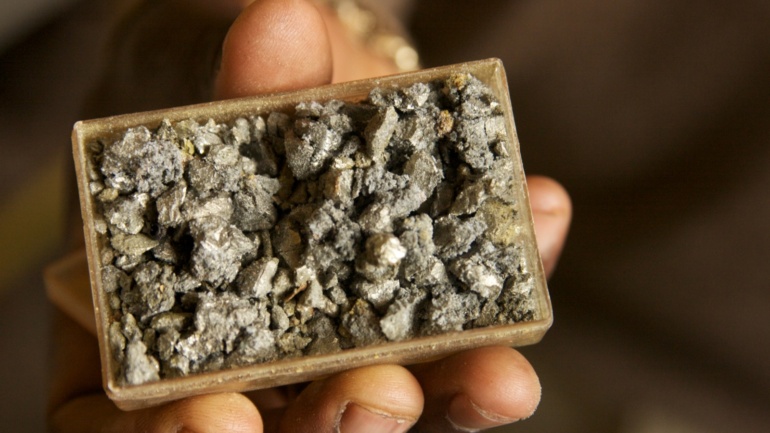
Portugal has officially closed its last remaining coal-fired power plant, marking a significant milestone in its transition toward clean energy and reinforcing its position as one of Europe’s renewable energy leaders. The move signals the country’s firm commitment to reducing carbon emissions and combating climate change.
In recent years, Portugal has generated enough renewable energy to power the entire country for extended periods. At one-point, renewable sources produced sufficient electricity to meet national demand for an entire month. The country is now on track to achieve 100 percent renewable electricity generation by 2040.
Portugal’s transition has been driven by strong political will, strategic planning, and sustained investment in energy infrastructure. The country has poured resources into expanding wind farms, hydropower plants, and solar parks, while modernizing its electricity grid to accommodate variable energy sources. Today, a significant share of Portugal’s electricity comes from wind and water, drastically reducing reliance on fossil fuels.
According to Susana Serôdio, Coordinator of Policies and Market Intelligence at APREN, existing power plants have undergone years of environmental monitoring. This has made it possible to evaluate their environmental impact, integration into surrounding areas, and necessary adjustments, providing a solid basis for future improvements and mitigation measures.
By shifting away from coal and other fossil fuels, Portugal has significantly cut greenhouse gas emissions from its power sector, one of the leading contributors to global warming. The closure of coal plants not only improves air quality but also aligns with global efforts under the United Nations climate framework to limit temperature rise.
However, the transition has not been without obstacles. Renewable energy sources such as wind, solar, and hydropower depend heavily on weather conditions. Low wind speeds or drought can reduce electricity output. Even during periods when renewable production exceeded domestic consumption, Portugal occasionally imported electricity to maintain grid stability.
To manage these challenges, the country is investing in energy storage systems, strengthening regional interconnections, and introducing smart grid technologies. These steps help balance supply and demand while ensuring a reliable electricity supply.
Portugal’s experience raises an important question for developing nations, particularly in Africa: should African countries replicate the Portuguese model?
However, replicating Portugal’s success would require substantial investment, policy consistency, regional cooperation, and improvements in transmission infrastructure. While the contexts differ economically and structurally, the Portuguese example demonstrates that with long-term commitment and strategic investment, a clean energy transition is achievable.
“Therefore, this issue cannot be treated as a conflict between populations and economic power, as it has become in common parlance, because it is not! It is far more complex, critical, and imperative for the challenges of the future. The sharing of benefits must be explicit and tangible, because the risk of missing the current window of opportunity means catapulting the country into an economic and environmental reality of strategic importance, or continuing to be a peripheral country in the European sphere,” Susana added.
As the global energy landscape shifts, Portugal’s coal exit stands as a powerful example of how nations can move from fossil fuels toward a sustainable, low-carbon future, while acknowledging that the road to 100 percent renewable energy requires careful planning, resilience, and adaptation.
“It’s not about choosing between renewables and land, but about doing things well, with responsibility, participation, and a long-term vision, on the part of the governing body in its communication and engagement with different stakeholders, as well as public entities and companies.”