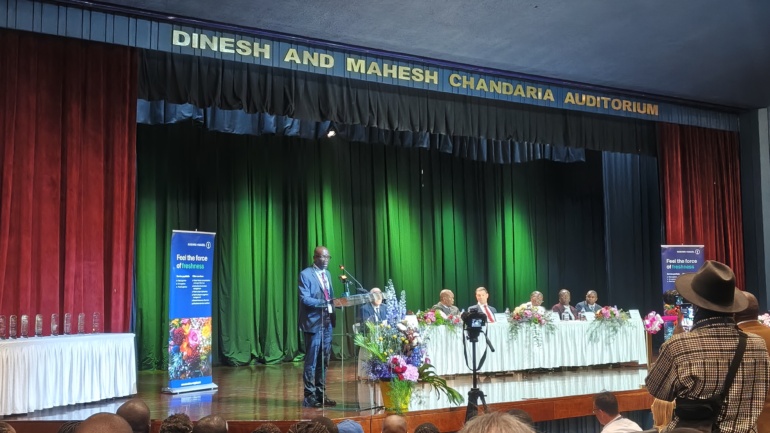
Delegates at the sixth meeting of the Subsidiary Body on Implementation (SBI 6) of the Convention on Biological Diversity (CBD) left Geneva exhausted but resolute after a week of intense negotiations, informal consultations, and late-night sessions.
“This has been a long week for all,” acknowledged Chair Clarissa Souza Della Nina, Brazil, at the closing of the afternoon plenary session, as she announced an additional evening session to push through pending agenda items.
Despite the fatigue, SBI 6 achieved several milestones in advancing solutions to the issues at hand. In the morning plenary, delegates celebrated the swift approval of the midterm review of the Gender Plan of Action, recognizing it as the primary instrument supporting gender-responsive implementation of the Kunming-Montreal Global Biodiversity Framework (GBF).
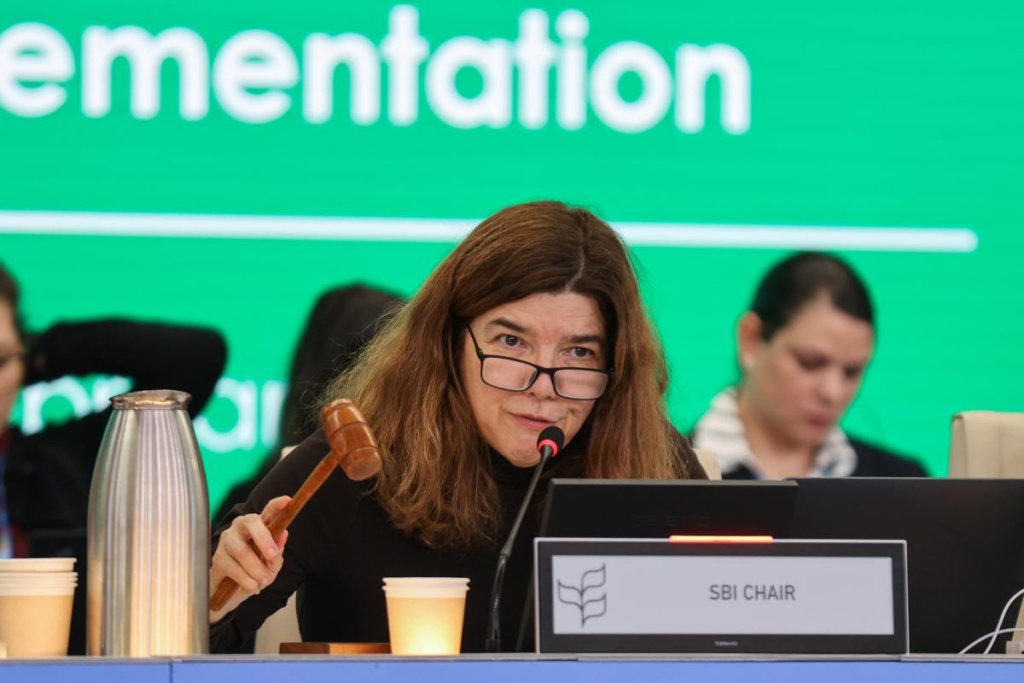
“Creating the enabling conditions and institutional arrangements to catalyze action on the ground for global-level ambitions is no easy task,” Clarissa added.
Following this, recommendations on national biodiversity strategies and action plans (NBSAPs), national targets, and national reporting were approved. The SBI urges Parties to submit their seventh national reports by 28 February 2026, while acknowledging the technical and financial constraints many Parties face. Officials emphasized that late submissions will still be considered for the global review of GBF implementation at COP 17, ensuring that collective progress is fully captured.
“Even when the path is challenging, every recommendation approved brings us closer to realizing global biodiversity goals,” said Asad Naqvi, SBI 6 Secretary.

However, not all deliberations reached consensus. The contact group on cooperation with other conventions and international organizations ran out of time, leaving recommendations forwarded to COP 17 with remaining brackets.
COP 17 will have to address historically contentious matters, including the relationship of the CBD with other processes such as the Agreement on the Conservation and Sustainable Use of Marine Biological Diversity of Areas beyond National Jurisdiction, human rights bodies, and the recently established Intergovernmental Science-Policy Panel on Chemicals, Waste and Pollution.
Similarly, discussions on specialized international access and benefit-sharing (ABS) instruments did not yield conclusive outcomes. Principled disagreements remain among Parties regarding the scope of the Nagoya Protocol and its interaction with other ABS systems, including the pathogen ABS under the World Health Organization’s Pandemics Agreement.
Outstanding issues extend to resource mobilization, the financial mechanism, and technical and scientific cooperation, which will be revisited at SBI 7 before final consideration at COP 17.
“SBI 6 has laid critical groundwork, but the real test is translating these frameworks into action on the ground,” said Astrid Schomaker, CBD Executive Secretary, during the closing ceremony.

The week’s marathon sessions, stretching into the night, highlighted both the complexity of international biodiversity negotiations and the shared commitment among Parties to address the urgent biodiversity crisis. As delegates depart, all eyes are on COP 17, where decisions made here will be tested on a global stage.
Author Profile

-
Seeker.
Inspire AFRIKA.
Latest entries
 Biodiversity26 October 2026Beyond Biodiversity Finance, A Justice Gap Governments Must Confront
 Biodiversity24 October 2026Faith Leaders and Civil Society Call for Stronger Partnerships to Restore Nature
 Biodiversity23 October 2026Inside Kobe’s Grassroots Effort to Train the Next Generation of Biodiversity Leaders
 Animals23 October 2026As COP17 Meets, World’s Rarest Great Ape Faces a Make-or-Break Test in Indonesia