
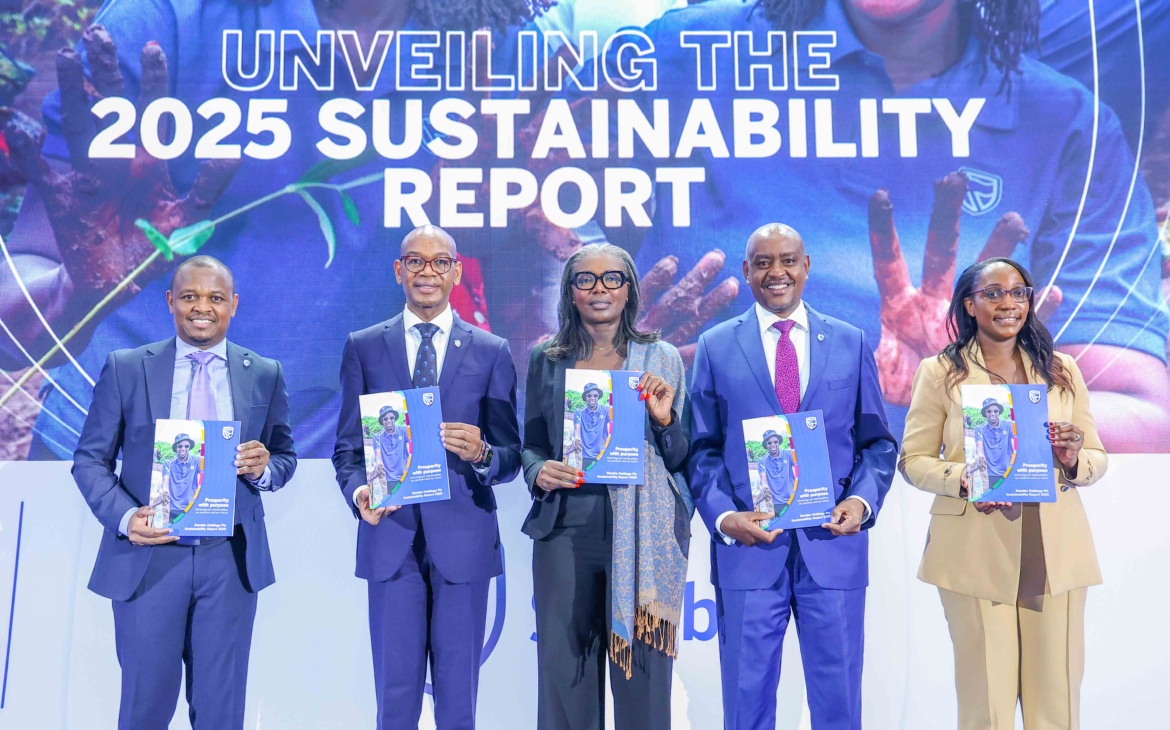
Stanbic Holdings Plc expanded its sustainability financing and inclusive growth agenda in 2025, facilitating KES133 billion in trade finance, surpassing its KES90 billion target while increasing investments in green finance, climate resilience and enterprise development across Kenya and South Sudan.
The achievements are detailed in the Group’s 2025 Sustainability Report, which outlines progress in sustainable finance, climate adaptation, financial inclusion and responsible corporate governance amid growing pressure on financial institutions to align investments with long-term resilience and low-carbon development.
During the year, Stanbic Bank advanced KES4.5 billion in green building loans and KES273 million in solar energy financing as demand for sustainable infrastructure and clean energy solutions continued to grow.
Support for small and medium-sized enterprises remained central to the Bank’s sustainability strategy, with KES105.73 million disbursed in grants and catalytic funding to MSMEs aimed at strengthening enterprise resilience and expanding access to capital.
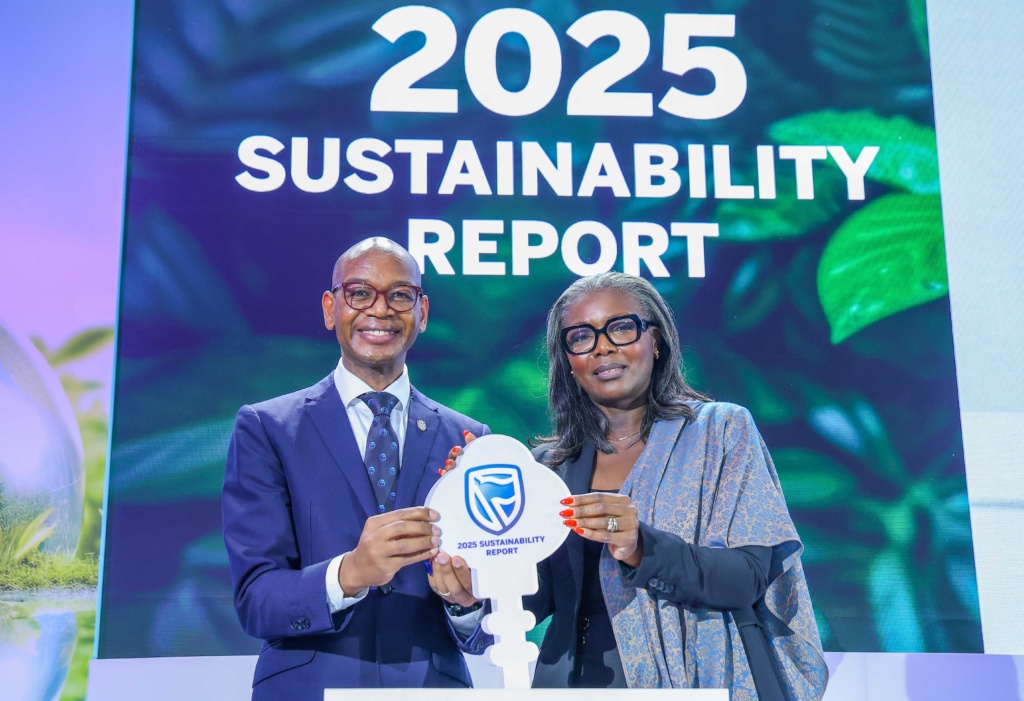
Dr Joshua Oigara, Chief Executive of Stanbic Holdings Plc, said the Bank had increasingly aligned its financing portfolio with sectors considered critical for long-term economic resilience, including green finance and sustainable enterprise development.
“We have embedded sustainability into the fabric of our daily decision-making, ensuring that performance is measured against clear targets and aligned to our strategic direction,” he said.
The lender also strengthened its contribution to addressing Kenya’s housing deficit, disbursing KES1.8 billion in affordable housing finance to support home ownership and expand access to quality housing.
Stanbic further increased procurement spending directed to women-owned businesses to 15.53%, reflecting efforts to build more inclusive supply chains and widen economic opportunities for women-led enterprises. Women now hold 43% of Board seats within the Group, highlighting a growing emphasis on inclusive leadership and governance diversity.
The Group also accelerated climate risk management and strengthened sustainability reporting systems in line with evolving global disclosure standards. During the year, the Board approved foundational sustainability and climate-related metrics aligned with IFRS S1 and S2 reporting requirements.
Edwin Mucai, Chief Risk Officer, said the Bank’s Environmental and Social Risk Management framework continued to strengthen the resilience of its loan portfolio by screening all loans above USD1 million for environmental and social risks.
“It protects the Bank and its clients from financing projects with material environmental and social vulnerabilities, helping us build a more resilient book that can withstand economic shocks,” he said.
In agriculture, Stanbic disbursed KES2.5 billion towards climate-smart agriculture, raising its agricultural loan book to 9.9% as financial institutions increasingly position sustainable agriculture as a key pillar of food security and climate adaptation.
Beyond financing, the Bank supported environmental restoration efforts through the planting of 204,000 trees and the rehabilitation of more than 107 hectares of degraded land, including indigenous forest restoration in Mt. Kenya and mangrove restoration at the Sabaki Estuary.
Priscilla Were, Head of Sustainability, said the institution remained focused on addressing social, economic and environmental challenges while delivering long-term value across the region.
“Through our sustainability agenda, we can generate strong financial returns for our shareholders and create meaningful social, economic and environmental value for the communities we serve,” she said.
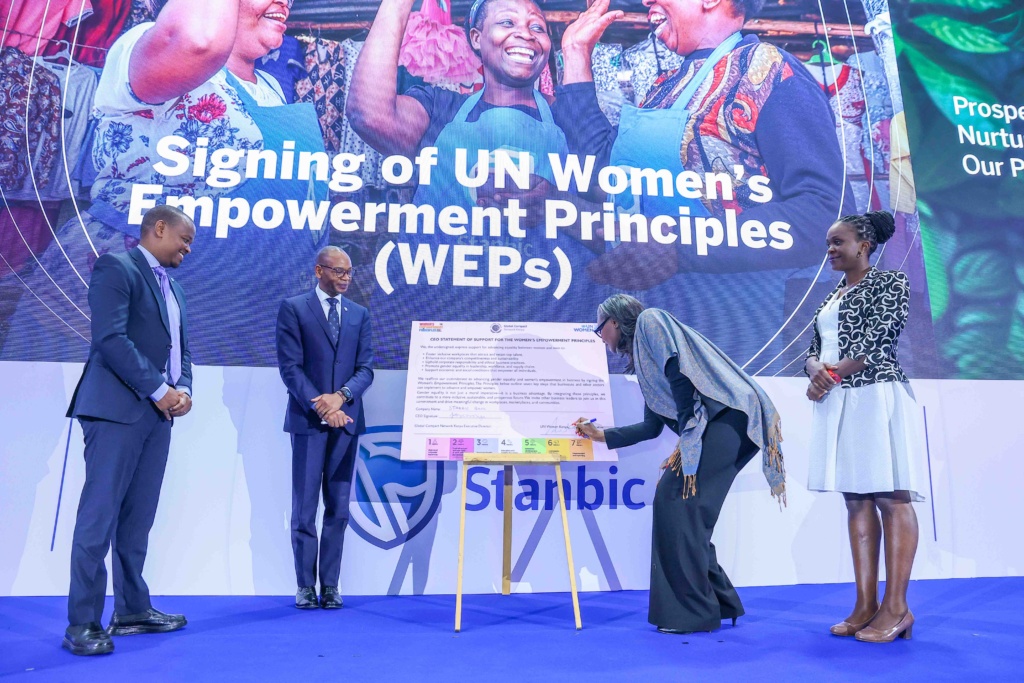
During the launch of the report, Stanbic also signed up to the UN Women’s Empowerment Principles, reinforcing commitments on workplace equality, women’s leadership, inclusive supply chains and gender-responsive corporate practices.
The move builds on the Bank’s continued investment in women entrepreneurs through its D.A.D.A platform, which has disbursed KES49.5 billion to women-owned enterprises since inception and onboarded 112,640 women.
Through the Stanbic Foundation, the Group also continued supporting youth and enterprise development initiatives, including digital skills training targeting 100,000 young people across eight counties.
The Bank additionally unveiled a Sustainability Academy, a learning platform designed to equip businesses across the continent with practical sustainability and Environmental, Social and Governance (ESG) knowledge.
The academy will provide training on sustainability principles, renewable energy solutions, climate-smart agriculture, water and wastewater management, and carbon markets as businesses increasingly seek to adapt to evolving environmental and regulatory demands.


